

Learn how winds change scent trails, why it confuses pet dogs, and when handlers and instructors should adapt, support, or call it off.
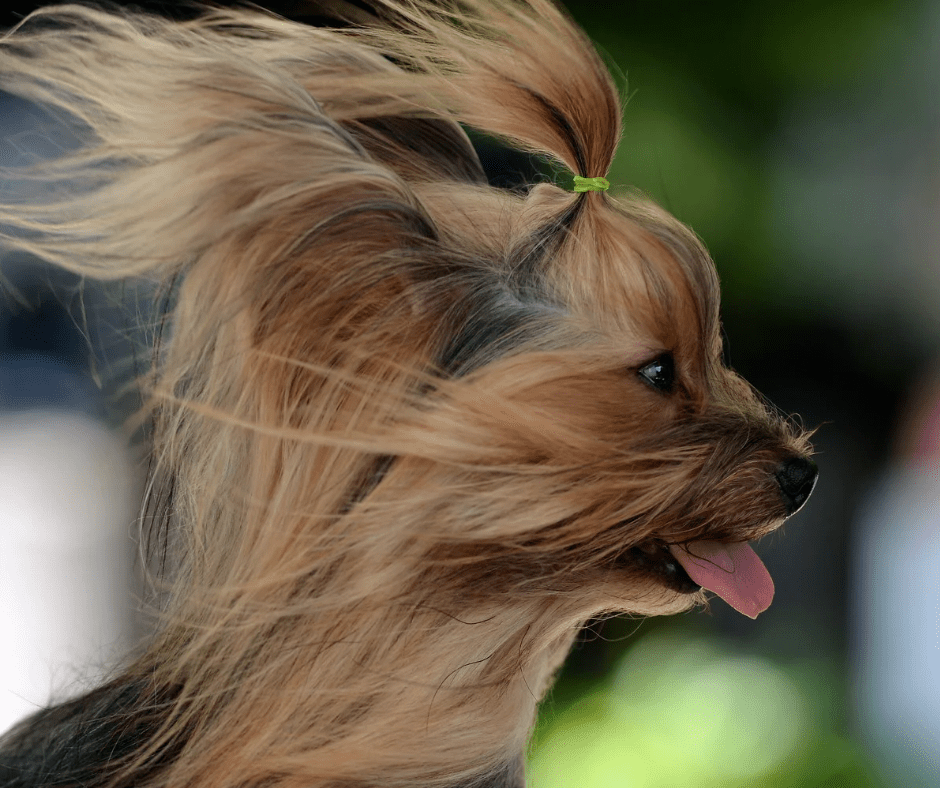
Trailing is already a thinking game for dogs. Add wind, and suddenly the neat, invisible ribbon of scent you imagined looks more like someone’s thrown a confetti cannon into a hurricane. At gusts, it isn’t just “harder” it’s a whole new environment. For new teams, for nervous dogs, and for handlers trying to make sense of it, strong wind can be a deal breaker.
So, let’s dig into what wind really does to scent, why some dogs hate the bluster, when it’s safe to try and when it’s best to pack up and have a cuppa instead.
The Science Bit 🤓What Wind Does to Scent
Scent doesn’t travel in a neat line down the pavement. Even on calm days it moves in plumes, swirls, and eddies. Add wind, and here’s what happens:
Turbulence shreds the plume: At high speeds, the scent breaks into filaments little pockets of scent separated by gaps of clean air (Celani et al., 2014). To a dog, it’s like reading a book with half the pages missing.
Dilution and lift: Wind whisks scent particles upward and outward, diluting them and carrying them metres (sometimes tens of metres) from the trail (Oklahoma State Extension, 2023). That’s why you’ll see dogs suddenly air-scenting or veering off what looks like “the line.”
Meandering & bending: Wind shifts direction constantly, causing scent to bend, twist, and even double back (Farrell et al., 2002). Dogs may pick up strong scent pockets that are nowhere near the actual path.
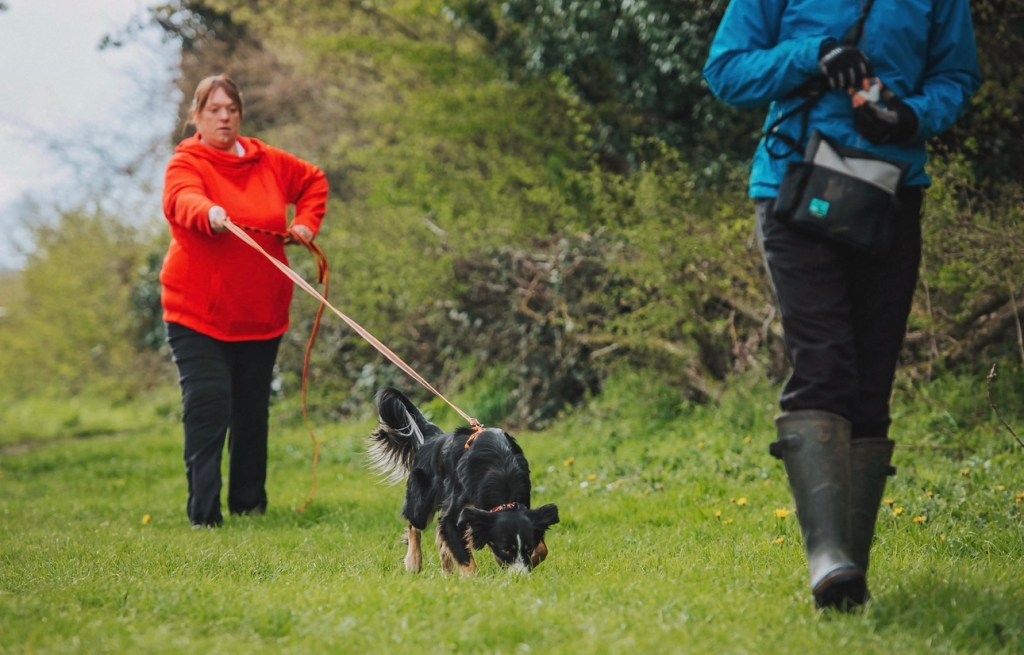
Intermittency = stop–start: Instead of a steady “signal,” dogs get bursts of odor followed by blanks. Many species (including dogs) respond with surge-and-cast behaviour: charge forward when scent is strong, then zig-zag crosswind when it drops out (Vergassola et al., 2007).
Why It’s Too Confusing for New Teams
The trail doesn’t “behave”. Beginners expect the dog to follow a line. Wind makes that impossible. Instead of smooth tracking, they see zig-zags, looping, overshooting, or suddenly lifting noses. Handler confidence tanks. New handlers think their dog is “wrong” rather than problem solving. That doubt feeds back to the dog, making the whole experience stressful.
Information overload. Both handler and dog are working much harder: the dog has to resample constantly, and the handler has to interpret subtle shifts.
Bottom line: strong wind isn’t fair on a green team. It’s like teaching someone to swim during a tidal wave.
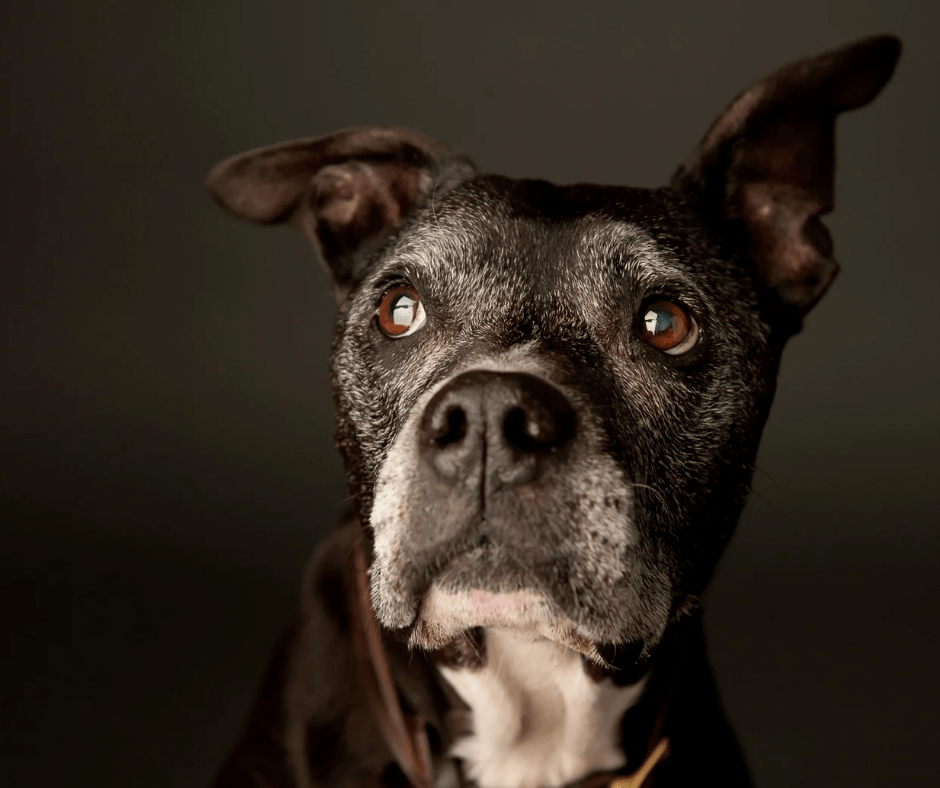
Nervous Dogs and Wind
Wind doesn’t just scramble scent it changes the whole sensory environment. Many instructors (me included) use trailing to help nervous or reactive dogs build confidence. But wind throws in extra hurdles:
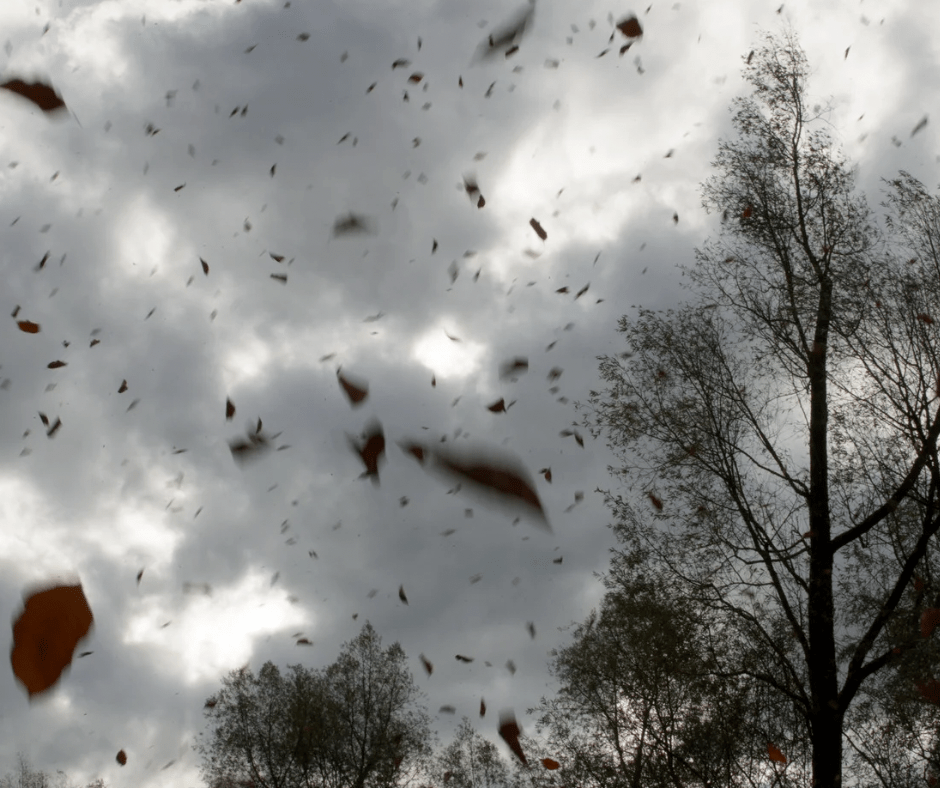
Sound distortion: Wind amplifies and carries noises in odd ways. A bin lid banging, branches creaking, or distant traffic can suddenly sound “close,” startling nervous dogs not just noise sensitive dogs. Visual movement: Flapping signs, blowing leaves, litter skittering down the road for anxious dogs, this constant motion is overwhelming.
Loss of smell security: Nervous dogs rely heavily on scent as an anchor. When wind scatters it, their “safety net” disappears. This can increase stress and make them abandon the search.
Some dogs simply don’t like the sensation of strong wind on their ears and body much like we find it exhausting to walk into a gale.
Dangers of Training in Strong Wind
Frustration: Dogs may become stressed when they can’t “solve” the trail, especially if they’re new or nervous.
Handler error: Confused handlers may unintentionally pressure dogs or misinterpret behaviours.
Physical risks: Flying debris, falling branches, or just being buffeted can make sessions unsafe.
How to Help Your Dog in Windy Conditions
Adjust expectations: Don’t demand “perfect” trailing.
Reward effort, not neatness.
Shorter trails: Keep trails short and achievable so the dog feels successful.
Pick locations wisely: Use sheltered areas (woods, hedgerows, behind buildings) to buffer gusts.
Watch body language: Look for signs of stress — tucked tail, scanning, abandoning the scent. That’s your cue to call it a day.
Build resilience gradually: Expose dogs to mild breezes before tackling storm-force gusts.
And sometimes the best advice is: don’t try at all. If the wind is dangerous or clearly overwhelming your dog, it’s kinder and more productive to postpone.
Trailing should build confidence, not chip away at it.
Think of it this way:
Calm day trailing = following a breadcrumb trail. Windy day trailing = trying to follow the smell of chips through a funfair while a leaf blower is strapped to your head.
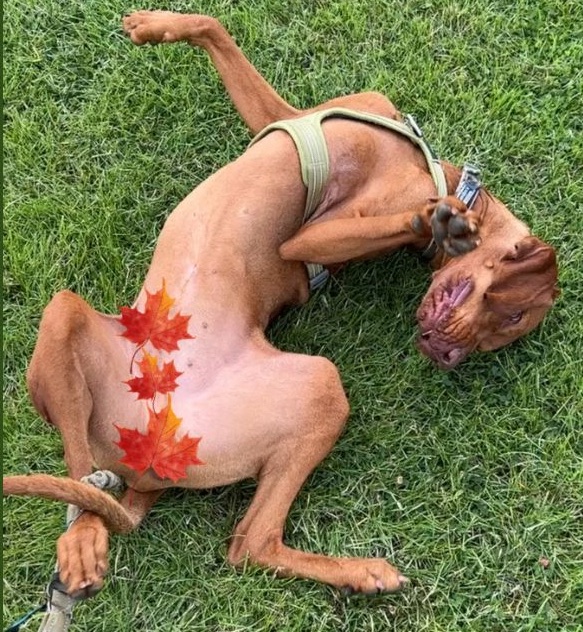
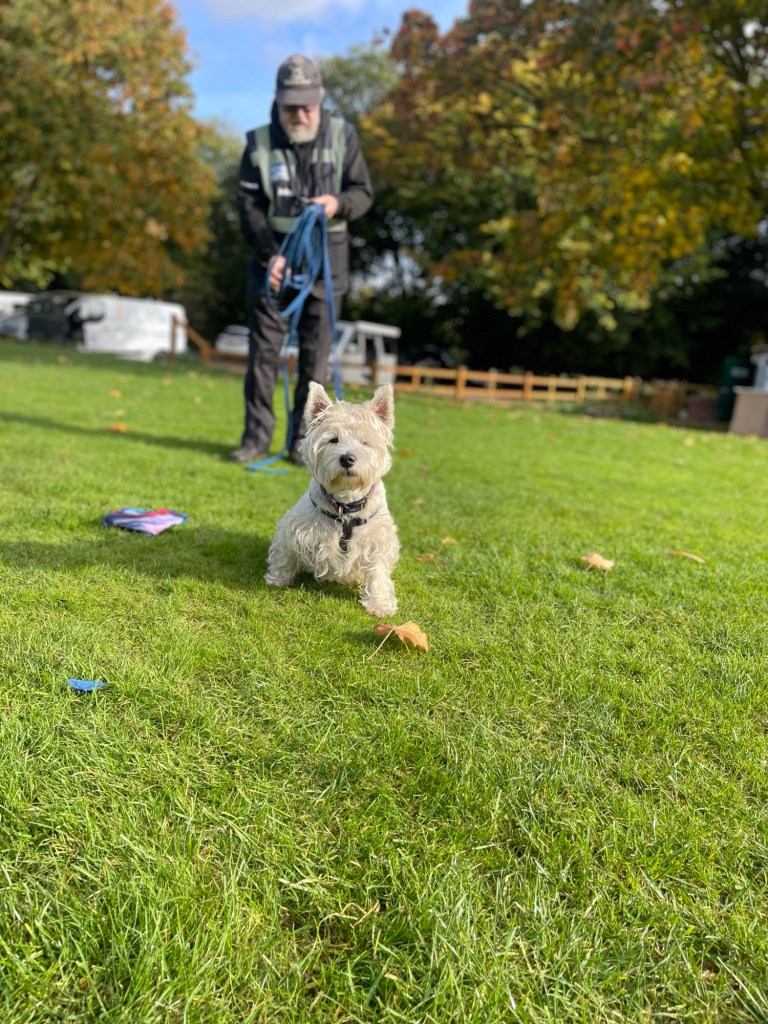
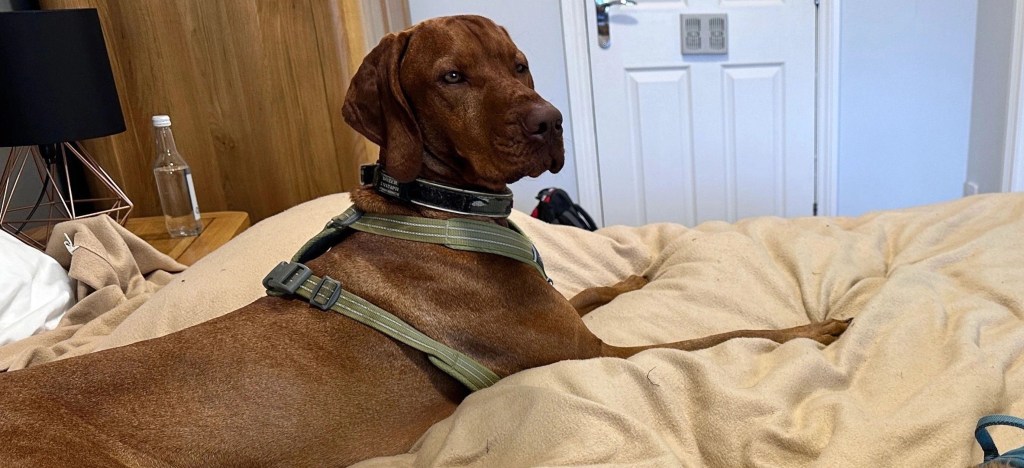
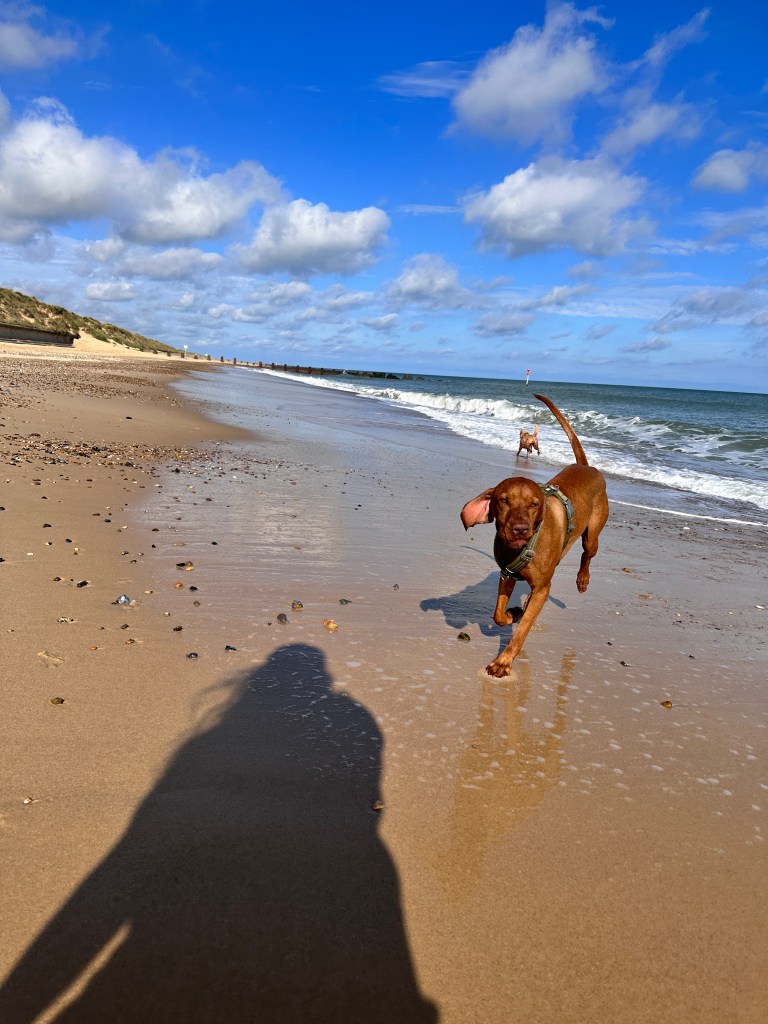
No one enjoys that. Well… except maybe Dozer.
Wind is one of nature’s biggest curveballs in scent work. For experienced handlers and instructors, it can feel like an exciting test of adaptability and teamwork. But we must remember: our dogs are not operational, cherry-picked working dogs they’re pets learning a sport.
For new or nervous teams, strong wind can be overwhelming, confusing, and sometimes unsafe. This is where instructors and handlers alike need to check their egos. It isn’t about “proving” we can finish the trail. It’s about supporting the dog in front of us.
The best instructors and handlers know when to push on, when to adapt, and when to call it off. Because at the end of the day, the goal isn’t ticking a box it’s building confidence, problem solving skills, and the partnership between handler and dog. Sometimes the bravest, kindest choice is simply to wait for calmer skies.
At the end of the day, our dogs aren’t here to serve us, we’re here to support them. Think of yourself as your dog’s pit crew reading the conditions, adjusting the set up, stepping in when things get too tough, and cheering them on when they shine.
They don’t need to “prove” anything in a gale, and neither do we. That’s real teamwork, putting the dog first and making sure every trail, windy or calm, leaves them more confident than when they started.




 UK SCENT SPORT