
Science, Sanity, and Squeaky Toys
Understanding odour strength, scent movement, and why our dogs and their noses thank us for keeping things clean
If scentwork were a superhero film, dogs would be the heroes and humans would be the clumsy sidekicks spilling things on the lab floor. At UK Scent Sport, we take our heroes’ noses seriously, so when it comes to which odours we use, we choose the one that’s safest, cleanest, easiest to handle and most consistent: Kong.
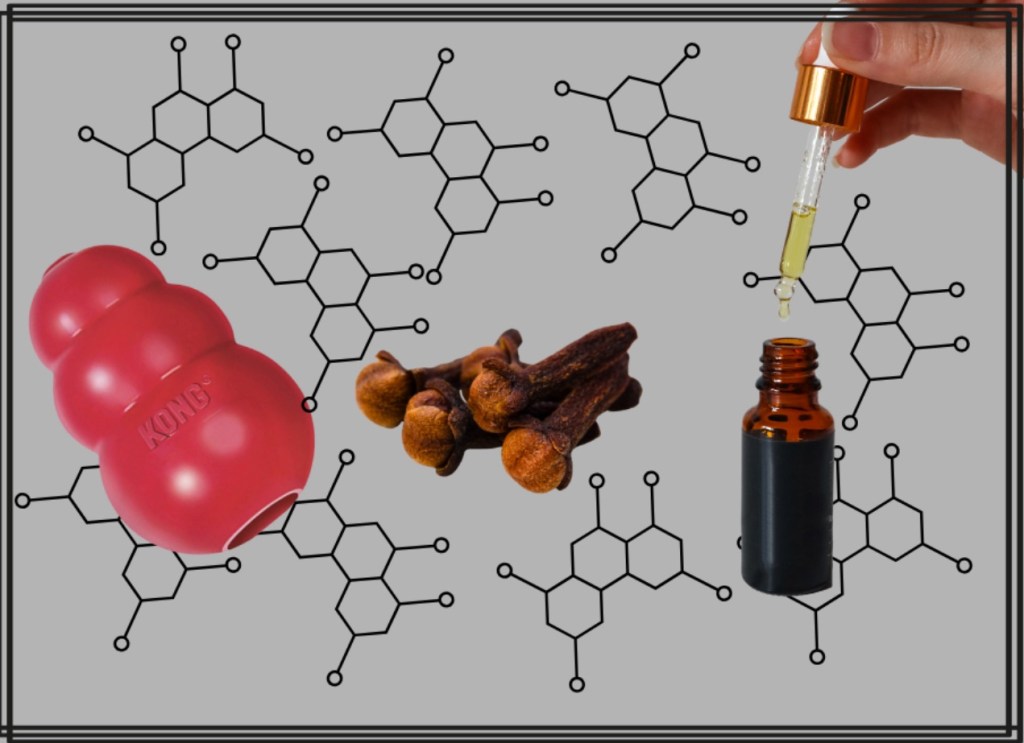
Let’s break down why Kong remains our gold standard, and how whole clove and gun oil compare when it comes to scent strength, contamination risk, and canine welfare.
The Science of Smell: It’s All About Volatility
When we talk about odour, we’re really talking about volatile molecules tiny airborne chemicals escaping from a surface and carried by air currents.
More volatile = stronger, faster scent spread Less volatile = slower release, cleaner control
Dogs have over 300 million scent receptors compared to our measly five to six million, which means a scent that smells mild to us can hit a dog’s nose like an airhorn to our ears at 7am.
So the question isn’t can the dog smell it they always can, it’s how do we manage what they smell and how they learn from it?

Kong: The Gold Standard of Control for us.
Made from natural rubber, Kong has minimal volatile output.
That means:
Low odour bleed: Rubber doesn’t leak scent the way oils or organic matter do.
Contamination control: You can handle it safely, reuse it, and avoid unintentional residual scent on gloves, tins, or training areas.
Fine-tuned challenge: You can break Kongs into different sizes, hide them in containers, and restrict airflow to increase difficulty.
Because Kong is inert, predictable, and easy to clean, it lets handlers focus on teaching the skill rather than fighting the contamination.
Emotional Pairing and Connection
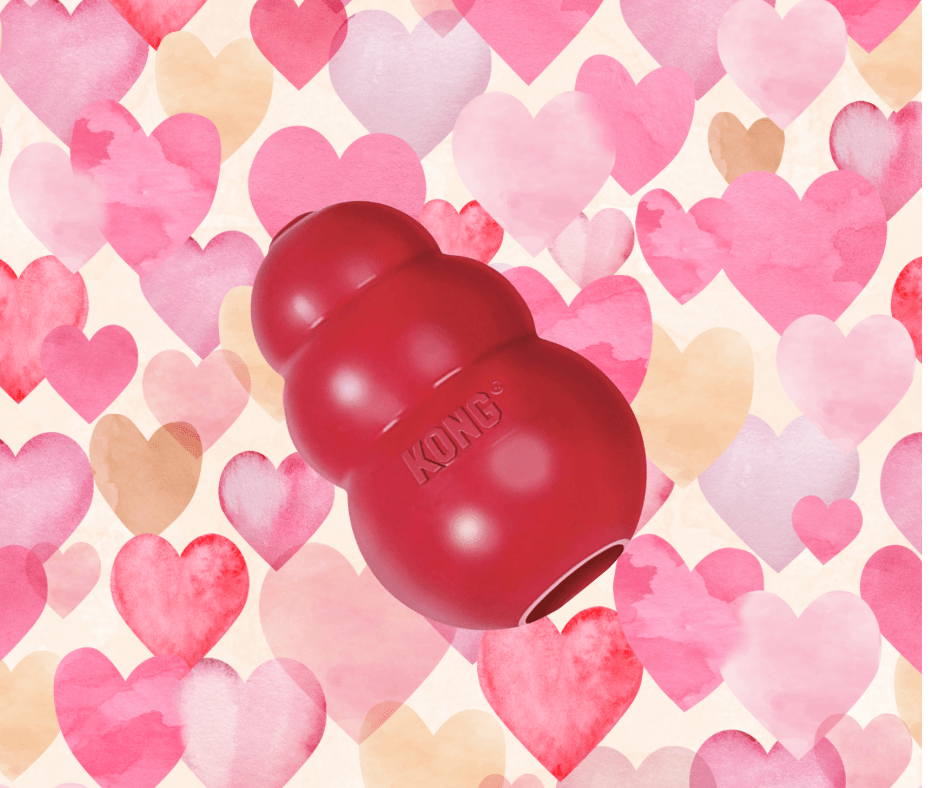
Kong is unique because it taps directly into a dog’s natural emotional systems. When we pair scent work with something the dog can play with, bite, and eat from, we’re not just teaching an odour, we’re building a deep emotional connection. Through classical conditioning, the scent of the Kong becomes linked to all the good feelings of play, food, and success a combination that naturally reinforces learning and motivation.
With Kong, dogs experience low pressure and high enjoyment. They search, find, and sometimes even rewarded through the same object, so there’s no confusion between work and play. This clarity creates what scientists describe as emotional learning, where the brain releases feel-good neurochemicals like dopamine and oxytocin. Over time, the Kong itself becomes a conditioned reinforcer, the dog doesn’t just recognise the odour, it feels good about it.
From a behavioural science perspective, this ties directly to Jaak Panksepp’s SEEKING system, the neural network responsible for curiosity, exploration, and joyful anticipation. Kong based scent work activates that system naturally, turning each search into a self rewarding experience.
For pet owners, this approach is far more forgiving. It doesn’t require perfect timing, complex criteria, or specialist kit. The reward is built in, the emotional response is genuine, and success comes easily for both dog and handler. That’s why Kong pairing remains one of the simplest and most effective ways to begin scent detection in my opinion, it connects learning with joy.
Clove: The Gentle Spice With Sticky Secrets
Whole cloves (from Syzygium aromaticum) smell glorious to us, but their active compound eugenol is a powerful phenol that makes up 70–90 % of the clove’s volatile oil fraction.¹
That means even intact buds slowly leak eugenol into the air. It’s why a jar of cloves will perfume your entire cupboard in a week.
The science behind it
Hard to standardise (different clove batches vary in strength) Risk of residual scent in rooms and kit.
Eugenol has a moderate vapour pressure, so it steadily evaporates at room temperature. Even when used as “whole clove soaks” (cloth pieces stored with cloves), the cloths act as odour sponges, absorbing and releasing scent over time.² It’s far milder than pure essential oil, but the odour can still linger and contaminate surfaces if cloths touch walls, boxes, or handlers’ hands.
Frustration and Over-Arousal from Strong Odours
Too easy to make “fog horn hides” where the dog can smell it from the car park
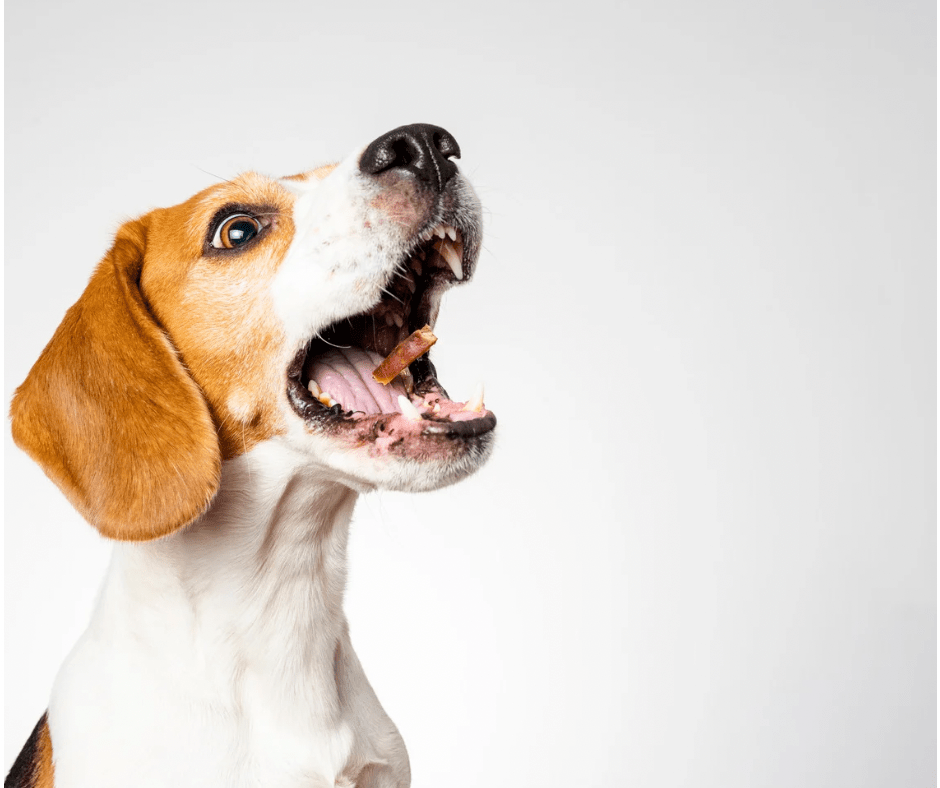
When hides are excessively strong, dogs can reach what many trainers call a frustration threshold. Instead of working methodically, they may bark, vocalise, overreact, or even disengage from the search altogether. This is not enthusiasm, but a breakdown in emotional regulation caused by the odour being too intense or overwhelming.
In scent-detection contexts, barking at hides is widely recognised as a symptom of too much stimulus or poor hide calibration rather than excitement. When the odour plume is overly powerful, the dog cannot effectively problem-solve, leading to conflict between drive and task clarity. As a result, the search behaviour becomes frantic or scattered, and handlers may see “meltdowns” or dogs mentally crashing mid-search.
Trainers from scent-sport and operational backgrounds frequently document these patterns. For example, Scent Work University discusses the concept of a frustration threshold in detection dogs, noting that excessive odour strength can cause over-arousal, barking, or quitting behaviour when dogs cannot resolve the scent source effectively (ScentWorkU.com). Similarly, The IAABC Foundation Journal highlights that inappropriate odour strength or hide placement can disrupt the behaviour chain, resulting in confusion, false indications, or stress responses such as barking (IAABC Foundation Journal).
While there is limited peer-reviewed research specifically on “strong odour equals frustration,” these consistent field observations across scent-work communities support the view that overpowering hides can push dogs beyond their workable emotional threshold, replacing focus and problem-solving with frustration and noise.
Why UKSS doesn’t use it
While some sport groups use clove to vary odour types, it comes with headaches:
For us, scentwork should build problem solving, not perfume distribution. So cloves stay in the kitchen, not the kit bag.
Gun Oil: The Loud One in the Room
Gun oil sounds dramatic and it is. It’s a mixture of hydrocarbons, lubricants, and sometimes solvents or added fragrance molecules. Analytical studies of firearm headspace reveal compounds like nonanal, decanal, octanal, tridecane, and even nitroglycerin residues in some cases.³
These are all highly volatile, meaning:
The scent travels fast often flooding an entire search area. Residue is real issue, oils and solvents cling to skin, gloves, and surfaces. Dogs detect it instantly, which can make searches too easy or confusing when residual traces remain.
The problem with power
Gun oil’s odour profile is strong, chemically complex, and inconsistent between brands.
In petsport, it introduces: Safety risks (solvents and hydrocarbons aren’t kind to noses at close range) Standardisation issues (no two gun oils smell alike) Massive contamination problems (touch one thing, scent three more)
In short: great chemistry experiment, terrible classroom tool.
How Odour Strength Affects Learning
Think of scentwork like teaching maths: you wouldn’t hand a beginner a university textbook.
If the odour is too strong:
The dog stops thinking and starts reacting Search behaviour shortens Dogs rely on “flood scent” instead of reading airflow or trace changes Anxious dogs may disengage due to intensity
Research in detection learning shows that gradual odour availability control changing exposure through dose, container design, and ventilation leads to stronger long-term accuracy and better discrimination.⁴
Kong makes this process simple; oils and strong volatiles make it chaos.
Contamination: The Hidden Enemy
Every experienced handler has seen it: the dog alerts perfectly… on the table you used ten minutes ago.
Why? Because residual odour sticks.
Gun oil: spreads by touch and vapor; microscopic residue remains for hours or days. Whole clove soaks: cloths leave scent traces on any porous surface. Kong: inert and easily cleaned, meaning false cues drop dramatically.
I’m not suggesting that a Kong leaves zero residual scent, after all, anything an object contacts will leave trace molecules behind. However, the residual scent from a Kong is generally far lighter, easier to clean, and quicker to dissipate than that from strong oils or solvents.
Because Kongs are solid rubber objects rather than volatile liquids, they emit far fewer free odour molecules into the environment. Many scent work sources note that Kongs “leave very little residual odour when moved.” The Sniffer Shop, discussing Kong in scent work, states residual Kong odour may linger for a few minutes after the piece or hide is removed, depending on size, time, and environmental conditions, but emphasizes it is limited. The difference can be understood via the concepts of lingering versus residual odour. (Dead pools and live pools as I like to call them), Lingering odour is essentially the dissipating aroma (which decreases over time), while residual odour is the source contamination (e.g. oil traces) that physically remains. Because the Kong’s scent residues are weaker and more contained, wiping or cleaning surfaces after a session removes most of what remains much more easily. Compared to oily odors that can saturate surfaces and linger in porous materials, rubber-based scent residues tend to be simpler to manage.
So in short: Kong does leave residual scent, but the amount is minimal, less intrusive, and far more manageable, which makes cleanup and maintaining a clean search area much easier for trainers and pet owners.
For fair sport testing and consistent progress, we need neutral, contamination free environments. That’s only achievable with low transfer aids like Kong.

Operational Dogs vs Sport Dogs
Operational detection teams, such as those in the military, police, or security sectors , often imprint dogs directly on the specific target odour they will later be deployed to find, such as firearms residue, narcotics, or explosives. Their training environment is highly controlled, with strict contamination protocols and a single operational goal: reliability under pressure.
Renowned detection trainer Simon Prins has written extensively about the importance of pairing dogs directly on their true target odour from the start. In his work, he describes using Gextex tubes to deliver pure, controlled samples of the target scent, allowing dogs to associate that precise odour with reward and success. Prins’ reasoning is clear, if the dog’s future job is to detect a specific odour, pairing from the outset avoids confusion, contamination, or emotional mismatching between the object and the operational scent.
For UK Scent Sport, however, Kong is the ultimate target odour. We are not transitioning dogs to explosives or narcotics, Kong itself is the goal. That’s why the same scientific principles Prins outlines make perfect sense here. By pairing dogs directly on the final odour (in this case, Kong), we create clarity, strong motivation, and a consistent emotional connection between scent, task, and reward.
Operational handlers use these techniques for precision and reliability in life critical work. In sport and pet detection, the same science supports enjoyment, confidence, and a clear learning pathway for dogs and handlers alike.
Their dogs are selected for intensity and resilience. They use chemically analysed, standardised training aids. Their setups involve ventilation, PPE, and strict handling.
UKSS dogs are pet dogs doing sport we prioritise welfare, learning, and enjoyment. There’s no reason to bring solvent vapours or residual eugenol into that picture.
The UKSS Bottom Line
At UKSS, we build precision and confidence, not chaos and cologne.
Kong gives us low volatility, clean handling, predictable behaviour, and perfect emotional pairing. Whole cloves smell lovely but are inconsistent and sticky. Gun oil is too strong, too variable, and too risky for the sport environment.
Our dogs deserve clarity, not confusion. We train for skill, not spectacle, and sometimes, the smartest choice really is the simplest one.
So yes, Kong may be humble, but in the world of scentwork, it’s the quiet genius holding it all together.
References
Mulyaningsih, E. et al. (2011) Clove (Syzygium aromaticum): Chemistry and Therapeutic Potential. In Herbal Medicine: Biomolecular and Clinical Aspects. Saleh, M.A. et al. (2018). Volatile Composition and Antioxidant Properties of Clove Products. J. Essential Oil Res. Stefanuto, P.H. et al. (2021). Detection of Volatile Organic Compounds from Firearms Headspace. Frontiers in Analytical Science. Jezierski, T. et al. (2014). Canine Olfactory Learning and Generalization. Applied Animal Behaviour Science.
 UK SCENT SPORT