

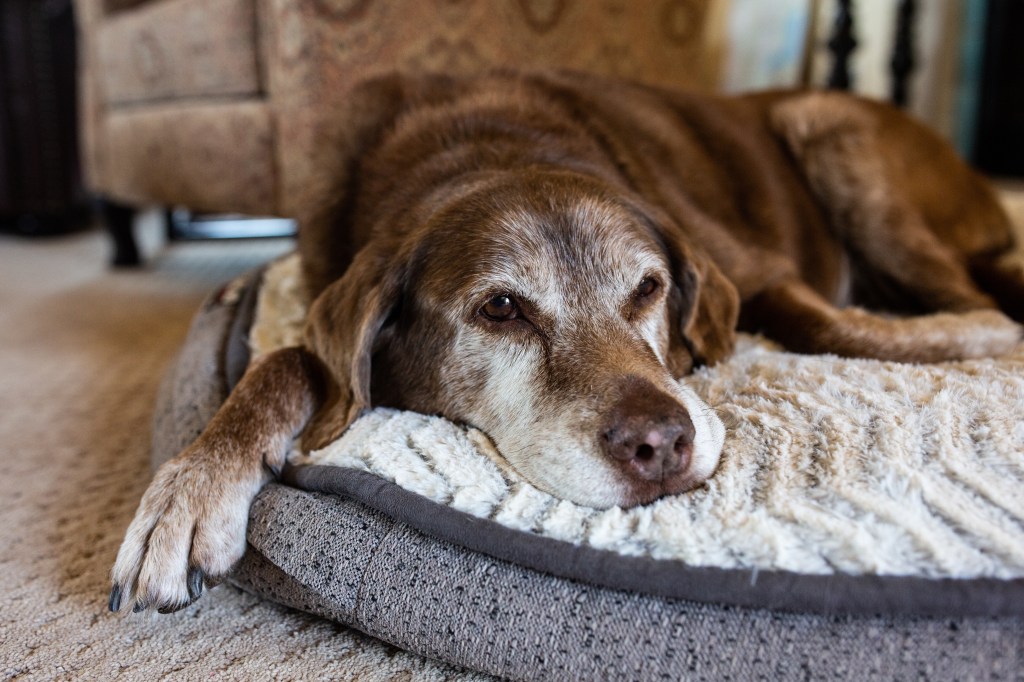
As our beloved canine companions age, they may experience behavioural changes that resemble dementia in humans. Known as Canine Cognitive Dysfunction (CCD), this condition can significantly impact a dog’s behaviour, leading to confusion, disorientation, and memory loss. Understanding these changes, their causes, and exploring ways to help our furry friends cope with CCD is crucial in ensuring their well-being and quality of life.
Causes of Age-Related Behavioural Changes:
Age-related behavioural changes in dogs are often the result of the natural aging process. As dogs grow older, their brains can accumulate a build up of proteins that interfere with nerve cell function. This build-up affects cognitive abilities, leading to CCD. Common behavioural changes associated with CCD include confusion, disorientation, altered sleep patterns, house soiling, and decreased social interactions.
Recognising the Signs:
It is essential for us as pet owners to be vigilant in recognising potential signs of CCD. While these changes may be subtle, they should not be dismissed as typical aging. If your dog exhibits any of the following symptoms, consult with a veterinarian:
1. Disorientation: Your dog may appear lost or confused in familiar environments.
2. Social Interactions: Reduced interest in social activities, toys, or family members.
3. Sleep Disturbances: Changes in sleep patterns, such as increased daytime sleep or restlessness at night.
4. House Soiling: Forgetting house training and having accidents indoors.
5. Activity Levels: Decreased enthusiasm for exercise or play.
Ways to Help Dogs with CCD:
1. Establish a Consistent Routine: Providing a predictable routine can reduce confusion and disorientation. Stick to regular feeding, exercise, and playtimes to create a sense of stability.
2. Mental Stimulation: Engage your dog in interactive games, puzzles, and training exercises to keep their minds active and stimulated.
3. Environmental Adaptations: Make adjustments to the living environment to accommodate your dog’s changing needs. Use visual cues and landmarks to help them navigate their surroundings more easily.
4. Sensory Enrichment: Provide sensory stimulation through toys with different textures, scents, and sounds to engage your dog’s senses.
5. Balanced Diet: Opt for high-quality senior dog food that supports brain health. Supplements like antioxidants, omega-3 fatty acids, and B vitamins may also be beneficial (consult with your vet before introducing any new supplements).
Medication for CCD:
Selegiline is an oral medication used to treat CCD in dogs. It works by protecting nerve cells and enhancing dopamine in the brain, which can help improve cognitive function. It increases the production of dopamine, a neurotransmitter that helps regulate movement, emotion, and cognition. By enhancing the production of dopamine, the drug helps protect nerve cells from damage and enhance cognitive function, which can reduce the symptoms of CCD.
Selegiline has been shown to provide some relief from CCD symptoms in dogs. Owners have reported improvements in as little as two weeks, with some dogs even showing restored mental alertness and increased social interactions. Although Selegiline is generally safe and well-tolerated, some dogs may experience side effects such as vomiting, diarrhea, or loss of appetite. If your dog experiences any of these symptoms, contact your veterinarian immediately.
Dementia and age-related behavioural changes in older dogs can be challenging for both pets and their owners. However, by recognizing the signs, providing a supportive environment, and considering appropriate medications, we can help our dogs maintain a good quality of life. Remember, early detection and intervention are key. If you suspect CCD in your aging dog, consult with a veterinarian who can provide guidance tailored to your pet’s specific needs.
 UK SCENT SPORT