ManTrailing Dogs in Wind: How Strong Gusts Affect Scent

Learn how winds change scent trails, why it confuses pet dogs, and when handlers and instructors should adapt, support, or call it off.
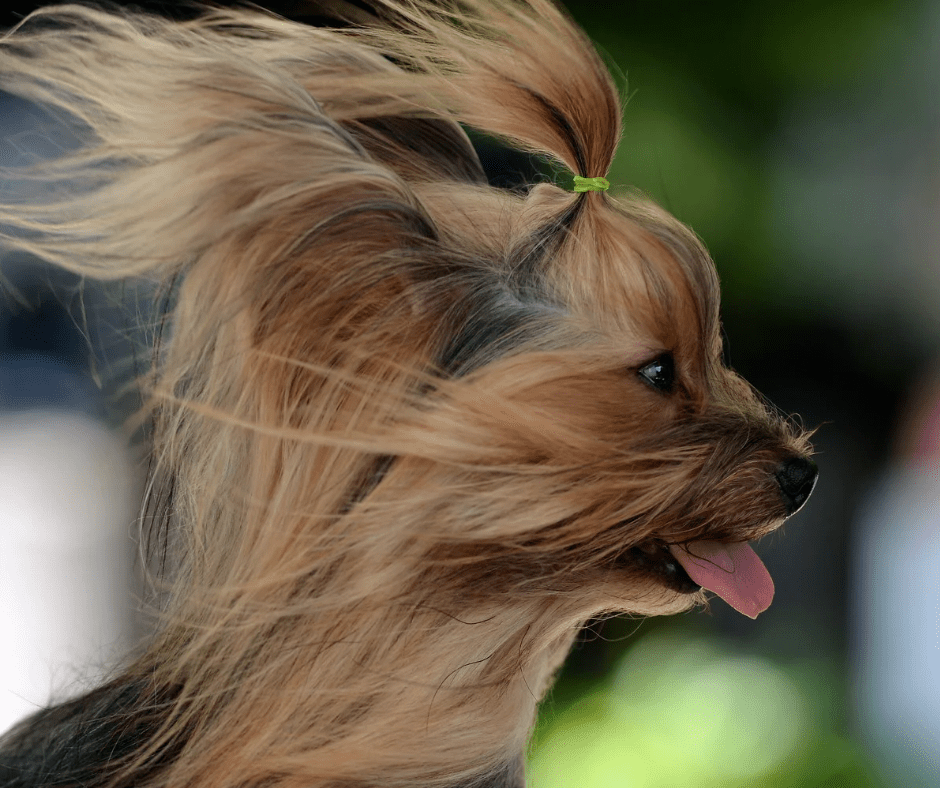
Trailing is already a thinking game for dogs. Add wind, and suddenly the neat, invisible ribbon of scent you imagined looks more like someone’s thrown a confetti cannon into a hurricane. At gusts, it isn’t just “harder” it’s a whole new environment. For new teams, for nervous dogs, and for handlers trying to make sense of it, strong wind can be a deal breaker.

So, let’s dig into what wind really does to scent, why some dogs hate the bluster, when it’s safe to try and when it’s best to pack up and have a cuppa instead.

The Science Bit 🤓What Wind Does to Scent

Scent doesn’t travel in a neat line down the pavement. Even on calm days it moves in plumes, swirls, and eddies. Add wind, and here’s what happens:

Turbulence shreds the plume: At high speeds, the scent breaks into filaments little pockets of scent separated by gaps of clean air (Celani et al., 2014). To a dog, it’s like reading a book with half the pages missing.

Dilution and lift: Wind whisks scent particles upward and outward, diluting them and carrying them metres (sometimes tens of metres) from the trail (Oklahoma State Extension, 2023). That’s why you’ll see dogs suddenly air-scenting or veering off what looks like “the line.”

Meandering & bending: Wind shifts direction constantly, causing scent to bend, twist, and even double back (Farrell et al., 2002). Dogs may pick up strong scent pockets that are nowhere near the actual path.

Intermittency = stop–start: Instead of a steady “signal,” dogs get bursts of odor followed by blanks. Many species (including dogs) respond with surge-and-cast behaviour: charge forward when scent is strong, then zig-zag crosswind when it drops out (Vergassola et al., 2007).

Why It’s Too Confusing for New Teams

The trail doesn’t “behave”. Beginners expect the dog to follow a line. Wind makes that impossible. Instead of smooth tracking, they see zig-zags, looping, overshooting, or suddenly lifting noses. Handler confidence tanks. New handlers think their dog is “wrong” rather than problem solving. That doubt feeds back to the dog, making the whole experience stressful.

Information overload. Both handler and dog are working much harder: the dog has to resample constantly, and the handler has to interpret subtle shifts.

Bottom line: strong wind isn’t fair on a green team. It’s like teaching someone to swim during a tidal wave.
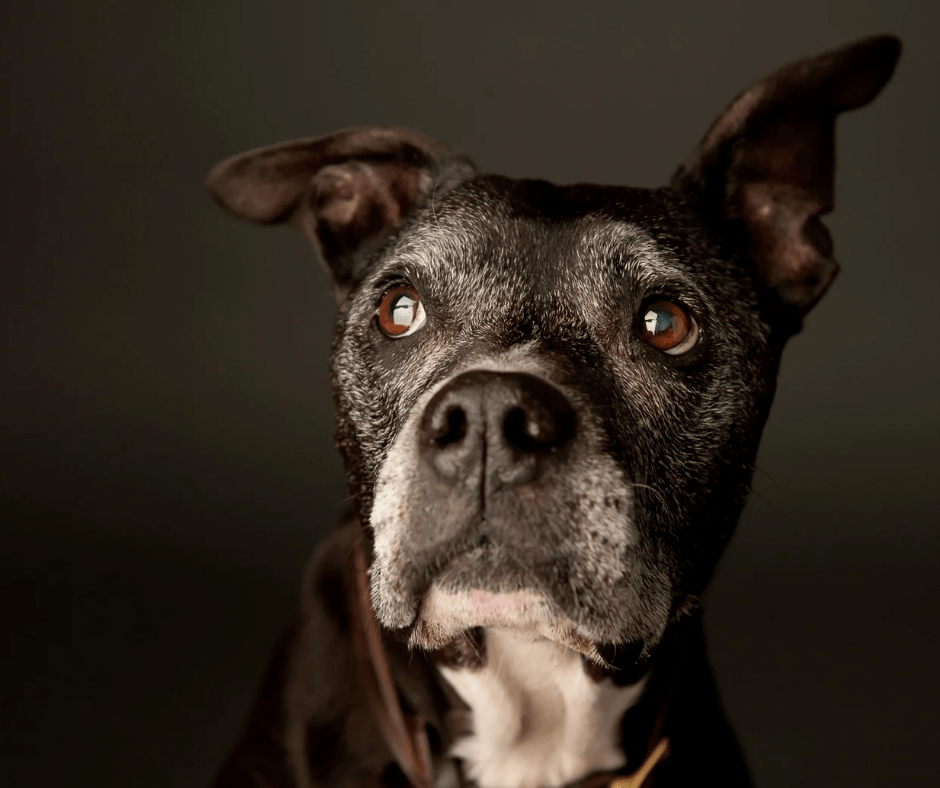
Nervous Dogs and Wind

Wind doesn’t just scramble scent it changes the whole sensory environment. Many instructors (me included) use trailing to help nervous or reactive dogs build confidence. But wind throws in extra hurdles:

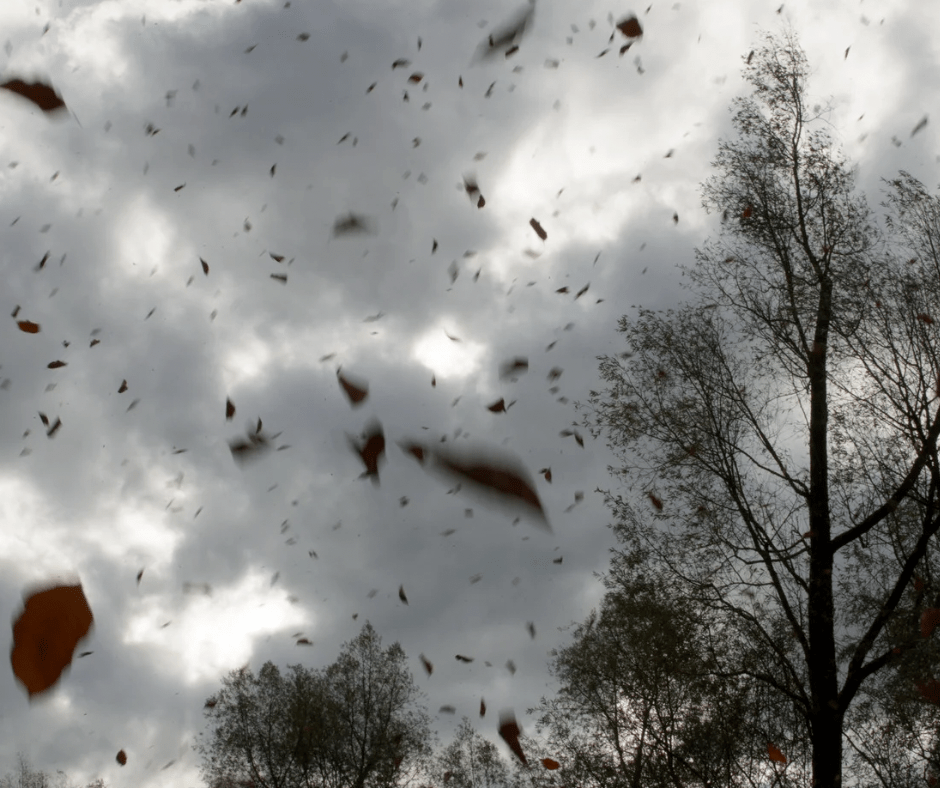
Sound distortion: Wind amplifies and carries noises in odd ways. A bin lid banging, branches creaking, or distant traffic can suddenly sound “close,” startling nervous dogs not just noise sensitive dogs. Visual movement: Flapping signs, blowing leaves, litter skittering down the road for anxious dogs, this constant motion is overwhelming.

Loss of smell security: Nervous dogs rely heavily on scent as an anchor. When wind scatters it, their “safety net” disappears. This can increase stress and make them abandon the search.

Some dogs simply don’t like the sensation of strong wind on their ears and body much like we find it exhausting to walk into a gale.

Dangers of Training in Strong Wind

Frustration: Dogs may become stressed when they can’t “solve” the trail, especially if they’re new or nervous.

Handler error: Confused handlers may unintentionally pressure dogs or misinterpret behaviours.

Physical risks: Flying debris, falling branches, or just being buffeted can make sessions unsafe.
How to Help Your Dog in Windy Conditions

Adjust expectations: Don’t demand “perfect” trailing.

Reward effort, not neatness.

Shorter trails: Keep trails short and achievable so the dog feels successful.

Pick locations wisely: Use sheltered areas (woods, hedgerows, behind buildings) to buffer gusts.

Watch body language: Look for signs of stress — tucked tail, scanning, abandoning the scent. That’s your cue to call it a day.

Build resilience gradually: Expose dogs to mild breezes before tackling storm-force gusts.

And sometimes the best advice is: don’t try at all. If the wind is dangerous or clearly overwhelming your dog, it’s kinder and more productive to postpone.

Trailing should build confidence, not chip away at it.

Think of it this way:

Calm day trailing = following a breadcrumb trail. Windy day trailing = trying to follow the smell of chips through a funfair while a leaf blower is strapped to your head.

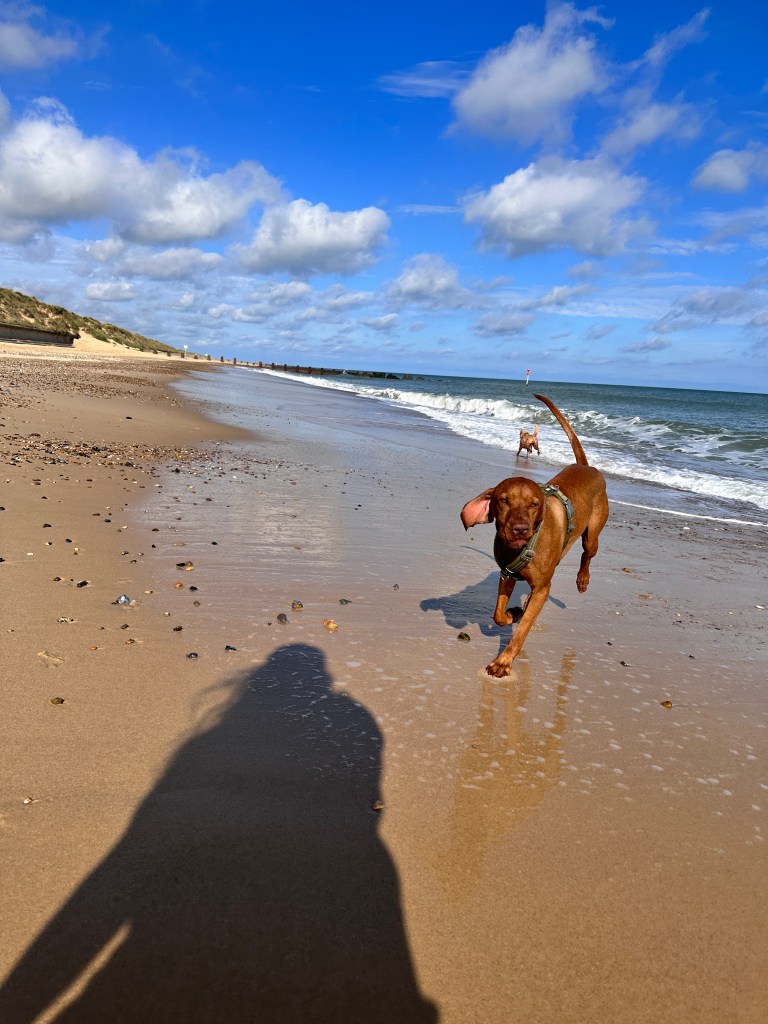
No one enjoys that. Well… except maybe Dozer.
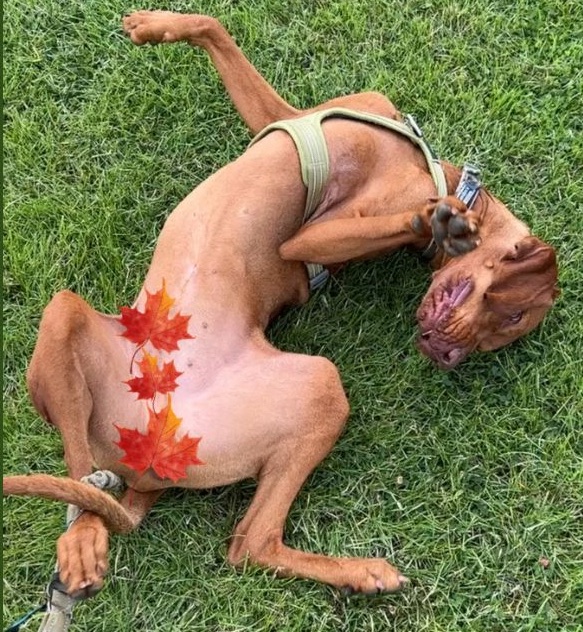
Wind is one of nature’s biggest curveballs in scent work. For experienced handlers and instructors, it can feel like an exciting test of adaptability and teamwork. But we must remember: our dogs are not operational, cherry-picked working dogs they’re pets learning a sport.

For new or nervous teams, strong wind can be overwhelming, confusing, and sometimes unsafe. This is where instructors and handlers alike need to check their egos. It isn’t about “proving” we can finish the trail. It’s about supporting the dog in front of us.

The best instructors and handlers know when to push on, when to adapt, and when to call it off. Because at the end of the day, the goal isn’t ticking a box it’s building confidence, problem solving skills, and the partnership between handler and dog. Sometimes the bravest, kindest choice is simply to wait for calmer skies.

At the end of the day, our dogs aren’t here to serve us, we’re here to support them. Think of yourself as your dog’s pit crew reading the conditions, adjusting the set up, stepping in when things get too tough, and cheering them on when they shine.

They don’t need to “prove” anything in a gale, and neither do we. That’s real teamwork, putting the dog first and making sure every trail, windy or calm, leaves them more confident than when they started.

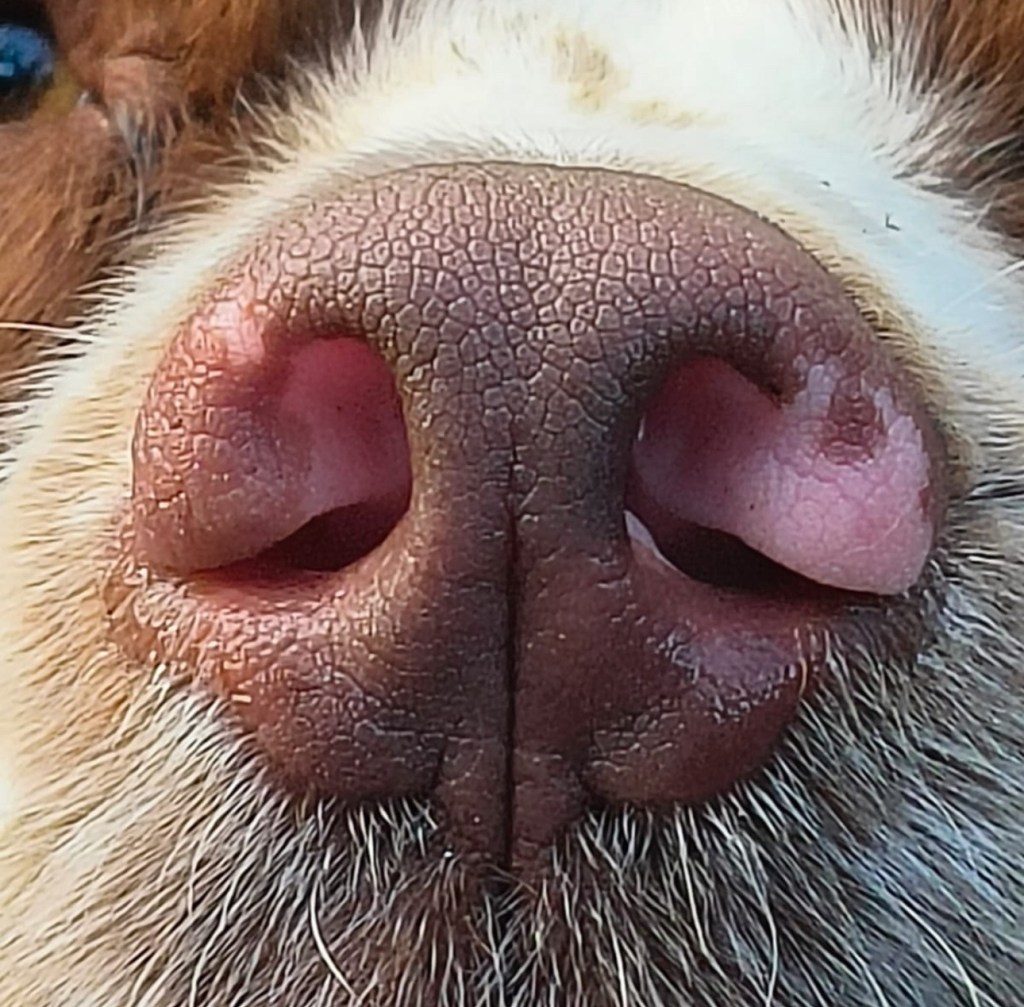
Mantrailing Dogs Human VOCs


Based on the research of Lauryn DeGreeff

Mantrailing dogs have long been recognised for their remarkable ability to track human scent over long distances and diverse environments. The core of this ability lies in their sensitivity to volatile organic compounds (VOCs), which are emitted by the human body. Lauryn DeGreeff’s research delves into the chemistry of these VOCs and how they are transported through the environment, providing essential insights into the mechanics of canine olfactory tracking.

The Chemistry of Human VOCs

Human bodies constantly emit a variety of volatile organic compounds through processes such as sweating, respiration, and natural skin exfoliation. These VOCs include acids, alcohols, ketones, and aldehydes, which form a unique olfactory signature detectable by dogs. As DeGreeff’s research reveals, each person’s scent profile is distinct, influenced by genetics, diet, health, and environment. This makes it possible for mantrailing dogs to follow the specific scent of an individual despite competing odors in the environment.

To better understand this, DeGreeff employs headspace sampling and gas chromatography-mass spectrometry (GC-MS) to analyse the chemical composition of human scent. Through this approach, she has identified key VOCs that play a critical role in helping dogs distinguish human odor from background smells.

Vapor Transport Mechanics: How Human Scent Moves Through the Air

Once human VOCs are emitted from the body, they are carried into the environment through a process known as vapor transport. Vapor transport mechanics refer to how volatile compounds behave once they leave their source, in this case, the human body. Several key factors influence how these VOCs move through the air and are detected by dogs.

Temperature

Temperature significantly impacts vapor transport. Higher temperatures can cause human VOCs to evaporate more rapidly, enhancing the scent’s strength and making it easier for dogs to detect in the immediate vicinity. However, this also means that the scent may dissipate more quickly, becoming harder to follow over long distances. Conversely, in cooler temperatures, VOCs may evaporate more slowly but remain closer to the ground, allowing a more sustained scent trail for tracking.

Humidity

Humidity levels influence how long VOCs remain suspended in the air. In high-humidity environments, water vapor can trap VOCs, creating a “cloud” of scent that lingers close to the ground, which is ideal for dogs following a trail. On the other hand, in dry conditions, VOCs are more likely to dissipate quickly, reducing the overall strength of the scent trail.

Wind and Air Currents

Air movement, including wind speed and direction, plays a significant role in the distribution of VOCs. Strong winds can spread scent molecules over a broader area, forcing dogs to use cross-wind search patterns to locate the source of the scent. DeGreeff’s research indicates that experienced dogs are adept at compensating for such environmental factors, adjusting their search strategies to relocate dispersed VOCs.

Surface Interaction

The surface on which a person walks also affects how VOCs are deposited and re-released into the air. For example, porous surfaces like grass and dirt can absorb VOCs, slowly releasing them over time, which creates a more persistent scent trail. In contrast, harder surfaces such as concrete or asphalt may retain less scent, making tracking more difficult for the dog. DeGreeff’s research shows that dogs can still detect residual scents on such surfaces, though it often requires more effort and skill.

How Mantrailing Dogs Detect and Follow Human Scent

Mantrailing dogs are specially trained to detect the VOCs released by humans and follow the vapor trail, regardless of environmental conditions. Their noses are finely tuned to pick up even the smallest concentrations of VOCs, allowing them to detect scent trails that may be hours or even days old.

DeGreeff’s research highlights that dogs do not simply follow skin flakes or sweat droplets left behind by humans. Instead, they rely on the invisible vapor trail of VOCs that evaporate from a person’s body. This vapor trail is dynamic and interacts with the environment in complex ways, influenced by factors like temperature, wind, and terrain. Mantrailing dogs are trained to process these environmental cues and adjust their behaviour accordingly, making them incredibly effective in tracking over various terrains and conditions.

Human Scent and Thermal Lift

While DeGreeff’s research doesn’t explicitly focus on “thermal lift” as a distinct concept, the idea can be inferred from her studies on how temperature gradients affect vapor transport. Thermal lift occurs when warm air rises, carrying scent molecules upwards, potentially making it more challenging for dogs to detect scent at ground level. This is especially relevant in situations where scent trails may “lift” off the ground and disperse at higher altitudes, causing dogs to lose the scent temporarily. However, experienced dogs often compensate for this by circling back to re-locate the scent at a different elevation.

Synthetic Training Aids and Practical Applications

One of the key contributions of DeGreeff’s research is the development of synthetic training aids that replicate human VOCs. These training aids allow dogs to practice in controlled environments, where the concentration of VOCs can be adjusted to simulate real-world conditions, such as a faint scent trail in a windy or dry environment.

By studying vapor transport mechanics, DeGreeff helps optimise the preparation and usage of these training materials, ensuring they mimic the complex environmental factors dogs will encounter in the field. Her work also emphasises the importance of proper storage and handling of these aids to maintain their chemical integrity over time.

Summary

Lauryn DeGreeff’s research into VOC chemistry and vapor transport mechanics has significantly advanced our understanding of how mantrailing dogs detect and follow human scent. By exploring the interaction between human-emitted VOCs and environmental factors such as temperature, humidity, and wind, DeGreeff’s work helps optimise the training and deployment of these dogs in real-world tracking scenarios. Her insights into vapor transport provide the foundation for improving canine performance, ensuring that mantrailing dogs remain at the forefront of search-and-rescue, law enforcement, and other scent-based detection fields.

In sum, the science behind mantrailing dogs’ success lies not just in their extraordinary olfactory abilities, but also in the nuanced understanding of how human VOCs behave in the natural world—a topic that DeGreeff’s research continues to illuminate.

Recognising Behavioral Signals and understanding Stress in Dogs


Our dogs are not immune to stress. Just like humans, they can experience a range of emotional and physiological changes when faced with stressors. As responsible pet owners, it’s crucial to recognise these signs and understand the underlying science behind stress in dogs. Failure to recognise these very often leads to trigger stacking. (Check out our previous blog)


When dogs encounter stress, their bodies release stress hormones such as cortisol and adrenaline. These hormones trigger various physiological changes that impact their behaviour and overall well-being. A study conducted by Beerda et al. (1999) found that stress in dogs can lead to increased heart rate, blood pressure, and respiratory rate. Additionally, elevated cortisol levels can affect the immune system and impair digestion, contributing to a host of health issues.

Some Behavioural Signals of Stress in Dogs:

  1. Excessive Barking or Howling:
    Stressed dogs may resort to excessive vocalisation as a way to express their anxiety or discomfort.
  2. Pacing or Restlessness:
    Restlessness, pacing back and forth, or an inability to settle down can indicate heightened stress levels in dogs.
  3. Excessive Panting or Drooling:
    When dogs are stressed, they may exhibit increased panting or drooling, as these physiological responses help regulate their body temperature during stressful situations.
  4. Tail Tucking between the Legs:
    A tucked tail is often a clear sign of fear or anxiety in dogs. It indicates their desire to withdraw or protect themselves from the stressor.
  5. Dilated Pupils:
    Stress can cause a dog’s pupils to dilate as a result of the increased release of adrenaline, preparing their bodies for a potential threat.
  6. Excessive Scratching or Licking:
    Stressed dogs may engage in excessive scratching or licking, as stress can trigger skin sensitivities and allergies.
  7. Reduced Appetite or Sudden Weight Loss:
    Just like humans, dogs may experience a loss of appetite or sudden weight loss during stressful periods. Stress can affect their digestive system, leading to decreased interest in food.
  8. Aggression or Growling:
    Stress can manifest as aggression or growling in dogs. This behaviour serves as a defensive mechanism to protect themselves from perceived threats.
  9. Trembling or Shaking:
    Trembling or shaking is a common physical manifestation of stress in dogs, indicating their heightened emotional state.
  10. Excessive Yawning:
    Dogs may yawn excessively when under stress. Yawning in this context is not necessarily due to tiredness but rather as a coping mechanism to release tension.
  11. Hiding or Seeking Solitude:
    Stressed dogs may seek isolation or hide in confined spaces as a way to cope with stressors.
  12. Excessive Shedding:
    Increased shedding can be a sign of stress in dogs, as the body responds to stress by shedding hair more rapidly.
  13. Excessive Vocalization:
    Some dogs may become vocal when stressed, whining or whimpering to express their discomfort.
  14. Destructive Behavior:
    Stress can lead to destructive behaviour in dogs, such as chewing on furniture, shoes, or other objects, as a way to alleviate their anxiety.
  15. Excessive Lethargy:
    While some dogs may become restless when stressed, others may display excessive lethargy, appearing sluggish or uninterested in their usual activities.
  16. Excessive Licking of Lips:
    Stressed dogs may frequently lick their lips or nose as a self-soothing behaviour to relieve stress.
  17. Frantic neediness: trying to climb up you jumping up, over friendly clingy behaviours.
  18. Excessive Salivation:
    Excessive salivation, often resulting in the dog having a wet or foamy mouth, can be a sign of stress or anxiety.
  19. Sudden Changes in Bathroom Habits:
    Stress can cause dogs to have accidents indoors or experience changes in their bathroom habits, such as increased frequency or difficulty urinating or defecating.
  20. Avoidance Behavior:
    Stressed dogs may actively avoid certain people, places, or situations that they associate with stress, seeking to distance themselves from potential stressors.


Recognising these behavioral signals is vital, as it allows us to address the underlying causes of stress in our dogs. Some common stressors for dogs include changes in their environment, separation anxiety, lack of physical or mental stimulation, noise phobias, or unfamiliar situations.

To alleviate stress in dogs, it’s essential to provide a safe and stress-free environment that meets their physical and emotional needs. This can include regular exercise, mental stimulation, a consistent routine, positive reinforcement training

Understanding the signs of stress in dogs is crucial for their overall well-being. By recognising these behavioural signals and addressing the underlying causes, we can help our dogs lead happier and healthier lives. Remember, each dog is unique, and stress manifests differently in individuals. If you suspect your dog is experiencing stress, consult a professional to develop a tailored approach that suits their specific needs. Let’s prioritise the mental and emotional health of our dogs!

References:

  • Beerda, B., Schilder, M. B., van Hooff, J. A., de Vries, H. W., & Mol, J. A. (1999). Chronic stress in dogs subjected to social and spatial restriction. II. Hormonal and immunological responses. Physiology & Behavior, 66(2), 243-254. doi: 10.1016/s0031-9384(98)00327-7

I broke my dog!

Last night, my adorable dog Dozer suddenly transformed into a completely different creature. He exhibited reactive behaviour, which is not typical of him at all. We were sitting in a pub, patiently waiting for our food, when someone walked past with another dog. Normally, this wouldn’t have fazed him, but this time he abruptly lunged forward, barking so loudly that it startled everyone around us. His barking persisted, and we had to remove him from the room and take him outside. This is completely out of character for our baby Dozer.

So, what caused this sudden change? The answer is trigger stacking. Our recent experiences have been quite eventful as we are currently staying in a hotel near Southampton. While it sounds lovely, the past few days have been filled with various stressors for Dozer. It all started five days ago when we were still in Waxham, in our caravan. Thomas, who Dozer loves left to go home, and our pup began searching for him during every walk. Then, during a lunch outing, a dog sitting at the next table stared intently at Dozer, making him feel unsettled. Following that, we experienced three storm fronts with thunder throughout the night, which is never pleasant when living in a caravan.

The next morning, strong winds with 30mph gusts caused our awning to start separating from the caravan. We had to frantically empty its contents and take it down in high winds, creating a lot of noise and chaos. While we were finishing packing away tables and chairs, Dozer was let out to investigate. Unfortunately, in the mess, I accidentally trapped my finger in a folding table, causing a painful injury to my finger and blood to pour everywhere. Dozer became stressed and began to jump up at me almost trying to climb up me after sniffing all of the blood. The following night brought another storm, and yesterday morning, we embarked on a long five-hour drive to Southampton through horrendous weather. Arriving late at the hotel, Dozer, who had never been in a hotel before, couldn’t settle down. He spent most of the night pacing and grumbling at every noise.

All of these stressors and changes have been too much for my sweet Dozer to handle and recover from. Sometimes life becomes difficult to control, and our dogs struggle to keep up with the fast pace. This is my apology to my beloved dog and my confession of feeling like a less-than-perfect caretaker.

So what exactly is trigger stacking?

Trigger stacking in dogs occurs when multiple stressors or triggers accumulate, overwhelming the dog’s coping mechanisms and resulting in an exaggerated or inappropriate response. Similar to humans, dogs can experience stress from various sources like loud noises, unfamiliar environments, changes in routine, and interactions with other animals or people.

When a dog faces multiple stressors in a short period, these triggers can accumulate and have a cumulative effect. For instance, if a dog is already anxious due to a thunderstorm and then encounters a stranger entering their home, their reaction may be more intense compared to experiencing only one stressor at a time. This is because each trigger adds to the dog’s overall stress level, making it challenging for them to remain calm.

During trigger stacking, the body releases adrenaline and cortisol, stress hormones that prepare the dog for a fight-or-flight response. It takes time for these hormones to return to normal levels, and the dog’s body to reach homeostasis. This is why it’s crucial to manage trigger stacking and prevent it from occurring in the first place.

Once we are back home, I will give Dozer a few days of normality to allow his cortisol levels to reduce (which can take up to 3 days). After that, I will gradually reintroduce him to pubs and cafes, taking small steps to ensure he doesn’t generalise his behaviour to all eating places. It is important to plan and organize this process carefully. If I miss the signs of him becoming uneasy and allow him to become overwhelmed to the point of reacting with an outburst, we risk creating a pattern.

Although trigger stacking led to this behaviour, in Dozer’s mind, barking and lunging were attempts to make the other dog go away. By removing him from the situation, this goal was achieved. I’m not suggesting that we should have moved him outside to calm down because we most certainly should have, but rather pointing out that mismanaging the situation could create a pattern where Dozer believes barking and lunging leads to the removal of the perceived threat.

This is often where reactive behaviour starts. Owners may either avoid the situation entirely, which means the dog never learns how to react appropriately other than barking and lunging, or they continue to expose the dog to the situation but in excessive amounts, resulting in a cycle of bark-lunge-removal. This can be incredibly frustrating for both the owner and the dog.

To visualize the situation, imagine it as a game of buckeroo, with the original trigger being the full load that causes the donkey to buck. To start, we need to have just one or two items on the saddle, then stop and give time between sessions to remove the items and allow your dog to process and recover.

Remember, each dog is unique, so it’s always recommended to consult with a professional dog trainer or behaviourist who can provide personalised guidance and support based on your dog’s specific needs

The newest fun dog sport, and 5 reasons to take it up

WHAT IS MANTRAILING?

1.  It is low impact which is suitable for puppies and dogs of  all ages

2.  Dogs are on lead, so no embarrassing incidents

3.  It’s easy to practice at home, Not much equipment needed

4.  Always in small groups.

5.  Dogs are worked one at a time so no issues for those that are dog nervous

6.  We train in new places every week

7.  It’s a great way to build confidence in nervous dogs

8.  It helps calm overexcited dogs as they need to concentrate more

9.  Fantastic way to build the bond and understanding between dog and handler

Have you heard of Mantrailing before?

Do you think it is only for really sporty dogs and super fit owners?

So here is the truth behind Mantrailing:

It is an exciting new trailing sport where your dog learns to track
missing/hidden people based on their unique smell!

Any dog can do this, from small to massive, from young to old, and any breed
too!

Even reactive dogs, as we only work one dog at a time and specifically
choose the person they are finding to match the dogs personality, it can help
improve their confidence immensely.

But I’m not fit enough to do that! We match the length and type of trail to
meet your requirements. Trust me I’m no athlete!

My dog has rubbish recall! No worries all dogs are worked on leads so they
are under control at all times.

We teach you to work as a team with your dog and help you understand body
language and how dogs see our world.

Once you have the basics you can progress through
more exciting trails in differing environments, and join in with competitions
and fun days or for the more competitive work towards  your level 1 certificate!

When it is not your turn to trail you have the
opportunity to watch other teams at work which is extremely beneficial for
progressing on your journey and understanding of dogs track scent, and the
effects of the environment on the trail, after all you are learning too.
it is low impact and highly addictive sport that requires concentration from
the dog and therefore really helps build focus and can give nervous dogs the
chance to build some real self confidence!

So come join us on this highly addictive adventure! Start soon and you may have
time to join in the Halloween ghost hunt!!

Take a look at our events page on http://www.facebook.com/doghampton

or sign up for our newsletter so you don’t miss out!