ManTrailing Dogs in Wind: How Strong Gusts Affect Scent

Learn how winds change scent trails, why it confuses pet dogs, and when handlers and instructors should adapt, support, or call it off.
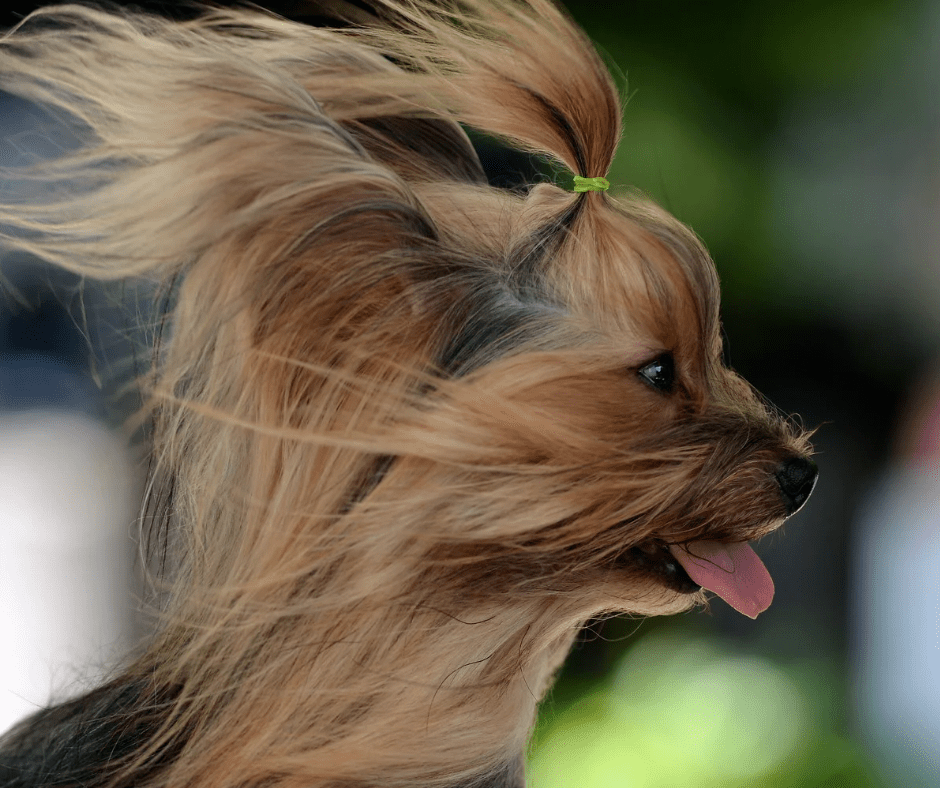
Trailing is already a thinking game for dogs. Add wind, and suddenly the neat, invisible ribbon of scent you imagined looks more like someone’s thrown a confetti cannon into a hurricane. At gusts, it isn’t just “harder” it’s a whole new environment. For new teams, for nervous dogs, and for handlers trying to make sense of it, strong wind can be a deal breaker.

So, let’s dig into what wind really does to scent, why some dogs hate the bluster, when it’s safe to try and when it’s best to pack up and have a cuppa instead.

The Science Bit 🤓What Wind Does to Scent

Scent doesn’t travel in a neat line down the pavement. Even on calm days it moves in plumes, swirls, and eddies. Add wind, and here’s what happens:

Turbulence shreds the plume: At high speeds, the scent breaks into filaments little pockets of scent separated by gaps of clean air (Celani et al., 2014). To a dog, it’s like reading a book with half the pages missing.

Dilution and lift: Wind whisks scent particles upward and outward, diluting them and carrying them metres (sometimes tens of metres) from the trail (Oklahoma State Extension, 2023). That’s why you’ll see dogs suddenly air-scenting or veering off what looks like “the line.”

Meandering & bending: Wind shifts direction constantly, causing scent to bend, twist, and even double back (Farrell et al., 2002). Dogs may pick up strong scent pockets that are nowhere near the actual path.

Intermittency = stop–start: Instead of a steady “signal,” dogs get bursts of odor followed by blanks. Many species (including dogs) respond with surge-and-cast behaviour: charge forward when scent is strong, then zig-zag crosswind when it drops out (Vergassola et al., 2007).

Why It’s Too Confusing for New Teams

The trail doesn’t “behave”. Beginners expect the dog to follow a line. Wind makes that impossible. Instead of smooth tracking, they see zig-zags, looping, overshooting, or suddenly lifting noses. Handler confidence tanks. New handlers think their dog is “wrong” rather than problem solving. That doubt feeds back to the dog, making the whole experience stressful.

Information overload. Both handler and dog are working much harder: the dog has to resample constantly, and the handler has to interpret subtle shifts.

Bottom line: strong wind isn’t fair on a green team. It’s like teaching someone to swim during a tidal wave.
Nervous Dogs and Wind

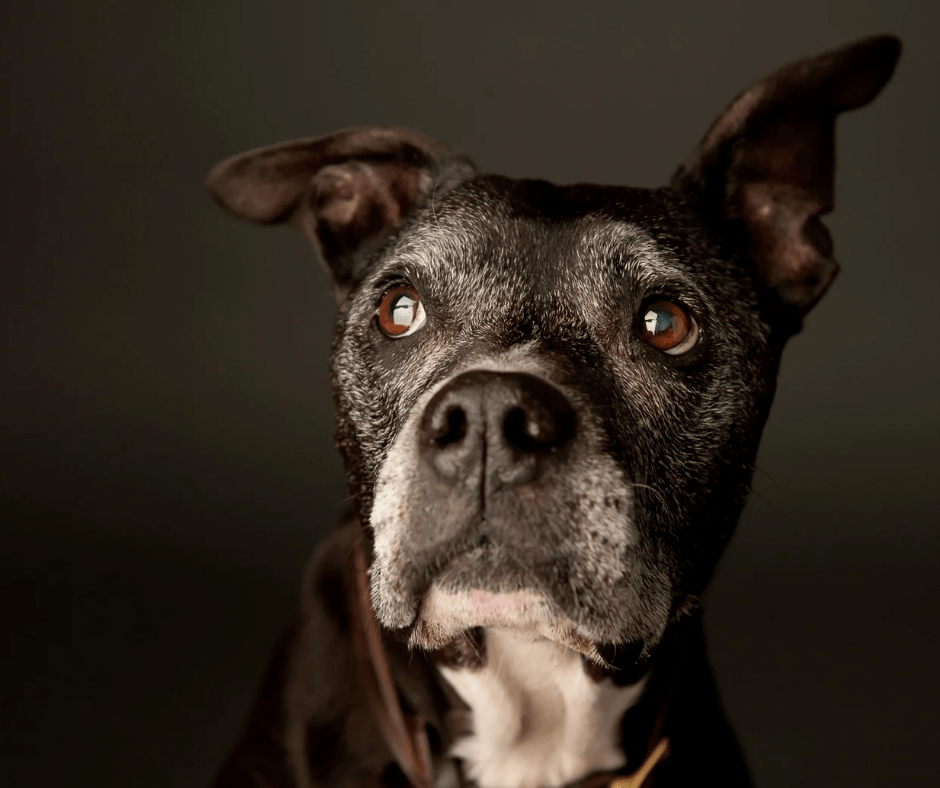
Wind doesn’t just scramble scent it changes the whole sensory environment. Many instructors (me included) use trailing to help nervous or reactive dogs build confidence. But wind throws in extra hurdles:

Sound distortion: Wind amplifies and carries noises in odd ways. A bin lid banging, branches creaking, or distant traffic can suddenly sound “close,” startling nervous dogs not just noise sensitive dogs. Visual movement: Flapping signs, blowing leaves, litter skittering down the road for anxious dogs, this constant motion is overwhelming.

Loss of smell security: Nervous dogs rely heavily on scent as an anchor. When wind scatters it, their “safety net” disappears. This can increase stress and make them abandon the search.

Some dogs simply don’t like the sensation of strong wind on their ears and body much like we find it exhausting to walk into a gale.

Dangers of Training in Strong Wind

Frustration: Dogs may become stressed when they can’t “solve” the trail, especially if they’re new or nervous.

Handler error: Confused handlers may unintentionally pressure dogs or misinterpret behaviours.

Physical risks: Flying debris, falling branches, or just being buffeted can make sessions unsafe.

How to Help Your Dog in Windy Conditions

Adjust expectations: Don’t demand “perfect” trailing.

Reward effort, not neatness.

Shorter trails: Keep trails short and achievable so the dog feels successful.

Pick locations wisely: Use sheltered areas (woods, hedgerows, behind buildings) to buffer gusts.

Watch body language: Look for signs of stress — tucked tail, scanning, abandoning the scent. That’s your cue to call it a day.

Build resilience gradually: Expose dogs to mild breezes before tackling storm-force gusts.

And sometimes the best advice is: don’t try at all. If the wind is dangerous or clearly overwhelming your dog, it’s kinder and more productive to postpone.

Trailing should build confidence, not chip away at it.

Think of it this way:

Calm day trailing = following a breadcrumb trail. Windy day trailing = trying to follow the smell of chips through a funfair while a leaf blower is strapped to your head.

No one enjoys that. Well… except maybe Dozer.
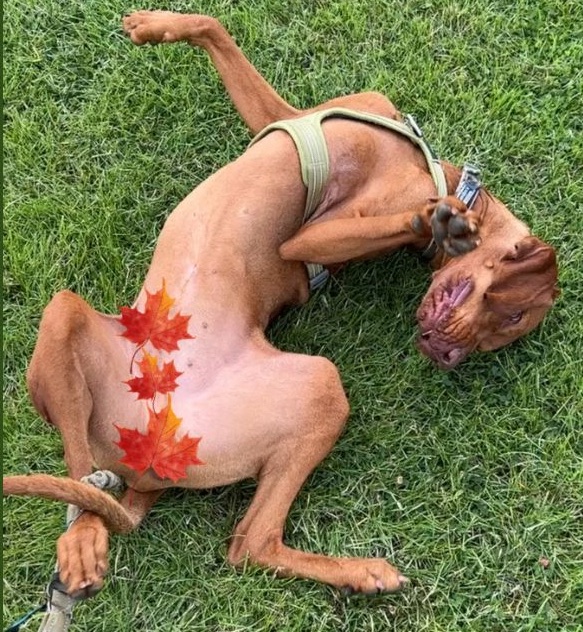
Wind is one of nature’s biggest curveballs in scent work. For experienced handlers and instructors, it can feel like an exciting test of adaptability and teamwork. But we must remember: our dogs are not operational, cherry-picked working dogs they’re pets learning a sport.

For new or nervous teams, strong wind can be overwhelming, confusing, and sometimes unsafe. This is where instructors and handlers alike need to check their egos. It isn’t about “proving” we can finish the trail. It’s about supporting the dog in front of us.

The best instructors and handlers know when to push on, when to adapt, and when to call it off. Because at the end of the day, the goal isn’t ticking a box it’s building confidence, problem solving skills, and the partnership between handler and dog. Sometimes the bravest, kindest choice is simply to wait for calmer skies.

At the end of the day, our dogs aren’t here to serve us, we’re here to support them. Think of yourself as your dog’s pit crew reading the conditions, adjusting the set up, stepping in when things get too tough, and cheering them on when they shine.

They don’t need to “prove” anything in a gale, and neither do we. That’s real teamwork, putting the dog first and making sure every trail, windy or calm, leaves them more confident than when they started.
What is Mantrailing ?

By Susanne Broughton

Mantrailing, the practice of using a dog’s extraordinary sense of smell to locate a specific person by following their unique scent trail, it has evolved from an essential tool for search and rescue to an exciting activity for pet owners. While professional mantrailing is widely known in fields like law enforcement and search and rescue operations, pet mantrailing allows regular dog owners to tap into their dogs’ innate abilities, turning it into a stimulating and fun exercise.

The Science Behind Mantrailing

Mantrailing is based on the fact that humans constantly shed skin cells, sweat, and other tiny particles that contain our individual scent profile. These scent particles, called rafts, float through the air and settle on the ground, creating a trail that a dog’s acute sense of smell can detect and follow.

Dogs have one of the most powerful olfactory systems in the animal kingdom, with 200 to 300 million scent receptors, compared to a human’s mere 5 million. Additionally, the part of a dog’s brain dedicated to processing smells is 40 times larger than in humans, enabling them to identify individual scents in a highly complex scent environment. This means that dogs can follow a specific person’s trail even in places where other humans or animals have been, and over various terrains such as forests, fields, and urban environments.

When a dog engages in mantrailing, it works by distinguishing the specific scent of the target person from all other smells in the environment. Dogs trained in mantrailing can follow these scent particles even hours or days after the person has passed through an area, as long as the environmental conditions such as wind, temperature, and humidity have not completely dispersed the scent.

The Origins of Mantrailing

Mantrailing as a practice has roots in early human history, but it became formalised as a technique in the 19th century. Bloodhounds, with their highly developed sense of smell, were used extensively in Europe for tracking escaped prisoners and lost individuals. Their natural tracking abilities made them highly effective in law enforcement and rescue missions.

One of the earliest recorded uses of mantrailing in a professional capacity was in Scotland in the 1800s, where Bloodhounds were employed to trail criminals. Around the same time, in the United States, Bloodhounds were famously used to track runaway slaves and later criminals. The technique spread rapidly across the world, becoming an essential tool in police work and search and rescue efforts.

Over time, other breeds, including German Shepherds, Belgian Malinois, and Labrador Retrievers, have been trained for mantrailing due to their strong scent detection abilities and intelligence. In recent years, mantrailing has moved beyond law enforcement and search and rescue to become a popular sport and recreational activity for pet owners.

Sport Mantrailing: A Modern Twist on an Ancient Skill

In sport mantrailing, regular pet dogs, rather than professional working dogs are trained to follow a specific human scent for recreational purposes. This form of mantrailing harnesses a dog’s natural scent-tracking instincts and channels them into an enjoyable and mentally stimulating activity.

While sport mantrailing is grounded in the same principles as professional mantrailing, it is often less formal and rigorous. Instead of searching for missing persons, dogs in pet mantrailing typically follow the scent of person just hiding. Sport mantrailing has become popular in Europe, particularly in Germany and the United Kingdom, where organised clubs and training courses have sprung up to teach dogs and their owners how to engage in the activity.

The Training Process

Training a dog for pet mantrailing starts with introducing the dog to a scent article, such as a piece of clothing that has been worn by the target person. The scent article contains the specific odour particles that the dog will be tasked with following. The dog then learns to search for the person who left the scent, starting with short, simple trails and gradually progressing to longer and more complex ones.

The key to successful mantrailing lies in a positive reinforcement training approach. Dogs are rewarded with treats, toys, or praise when they successfully locate the person they are trailing. This motivates them to engage in the activity with enthusiasm and improves their scent discrimination abilities.

Benefits of Sport Mantrailing

Sport mantrailing provides numerous benefits for both dogs and their owners:

  1. Mental Stimulation: Dogs need mental challenges to stay happy and healthy, and mantrailing offers a perfect way to engage their brain. The process of searching for and following a scent requires intense focus, which helps tire them out mentally.
  2. Physical Exercise: In addition to engaging a dog’s brain, mantrailing also provides physical exercise, as the dog has to move through different environments, sometimes at a fast pace, while following the scent trail.
  3. Strengthens the Dog-Owner Bond: Mantrailing is a cooperative activity between the dog and its handler. It fosters a strong sense of teamwork, as the dog learns to rely on its handler’s cues while the handler learns to trust the dog’s scent detection abilities.
  4. Confidence Building: Mantrailing can boost a dog’s confidence, particularly for shy or anxious dogs. Successfully finding the person at the end of the trail gives dogs a sense of accomplishment and encourages them to rely on their natural instincts.
  5. All Breeds Can Participate: While professional mantrailing often focuses on breeds known for their scenting abilities (like Bloodhounds or German Shepherds), pet mantrailing is open to all breeds and sizes. From small terriers to large retrievers, any dog can enjoy mantrailing with the right training.

The Role of Scent and Environmental Factors

While dogs’ noses are incredibly powerful, the environment plays a significant role in their mantrailing success. Factors like wind direction, humidity, temperature, and the presence of other animals can influence how a dog follows a trail.

  • Wind can carry scent particles over long distances, helping or hindering a dog’s ability to detect the trail. A light breeze can help spread the scent in a way that is easier for the dog to follow, while strong winds may scatter scent particles in multiple directions, making the trail more challenging.
  • Humidity helps to preserve scent particles in the environment, making it easier for dogs to follow older trails. Dry conditions, on the other hand, can cause the scent to dissipate more quickly.
  • Temperature also impacts scent detection. Cooler temperatures tend to preserve scent longer, while hotter conditions can cause scent particles to rise and disperse more quickly.

Understanding these environmental factors is crucial for pet owners who want to engage in mantrailing, as it helps them work with their dog more effectively.

Summary

Sport mantrailing is a fascinating and enriching activity that allows dogs to use their natural abilities while providing physical and mental stimulation. Rooted in centuries of professional use, the modern adaptation of mantrailing for pets opens up new possibilities for dog owners to bond with their pets and engage in a fun, team-based activity. From its origins in law enforcement and search and rescue to its current role as a recreational activity for dog lovers worldwide, mantrailing continues to showcase the extraordinary capabilities of canine olfaction, offering benefits for both dogs and humans alike.

Mantrailing: Debunking 5 Common Myths – by Susanne Broughton


Are you a looking for a unique and engaging activity to share with your dog? Look no further than mantrailing! This exciting and rewarding activity offers numerous benefits for both you and your dog. Unfortunately, there are some misconceptions floating around that may discourage potential enthusiasts. Fear not! In this blog, we will delve into the amazing benefits of mantrailing while debunking five common myths, including the notion that only certain breeds can excel in this activity.

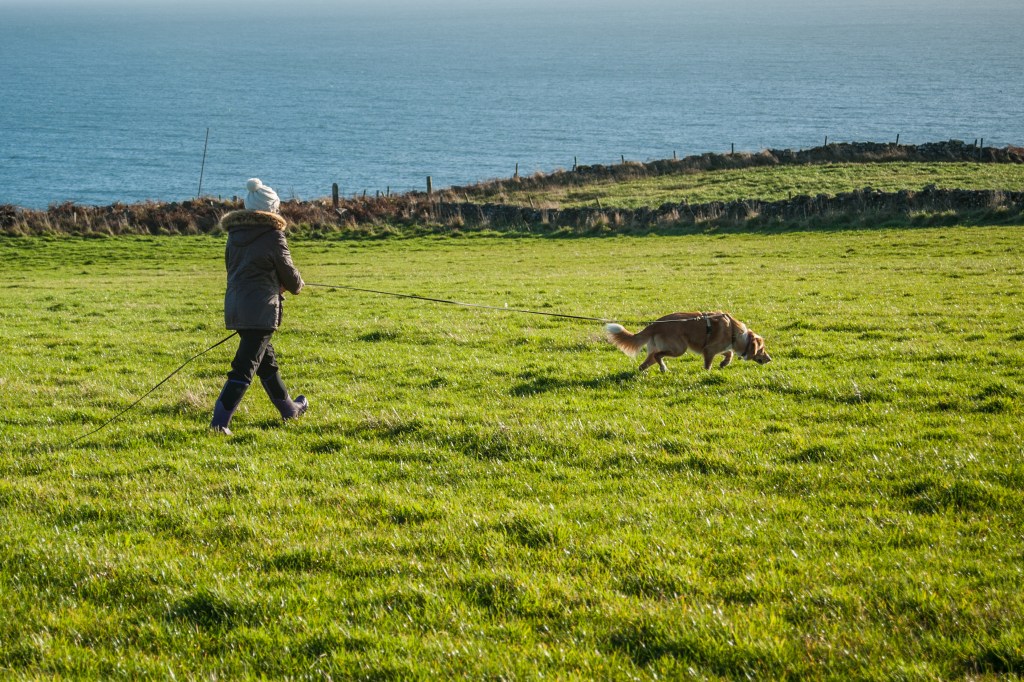
Maya hot on the heels of her trail layer
  1. Myth: Only certain breeds can trail.
    One of the most persistent myths about mantrailing is that only specific breeds possess the necessary skills to participate. In reality, any dog, regardless of breed or size, can learn to be a good mantrailer. While certain breeds may have natural instincts that make them excel in scent work, any dog can be trained to enjoy and succeed in mantrailing. It’s all about patience, consistency, and building a strong bond with your dog.
  2. Myth: Mantrailing is only for highly energetic dogs.
    Another misconception is that only high-energy dogs can benefit from mantrailing. While it’s true that energetic dogs often enjoy this activity, it can also be a great outlet for dogs with lower energy levels. Mantrailing provides mental stimulation, encourages problem-solving skills, and promotes overall well-being. It’s a fantastic way to engage and challenge dogs of all energy levels while strengthening the bond between you and your pet.
  3. Myth: Mantrailing is too complicated to learn.
    Some may think that mantrailing is a complex and challenging activity to teach their pets. However, with the right approach and guidance, mantrailing can be taught to dogs of all ages and skill levels. We will help you understand the basics, including teaching your dog to follow a specific scent, differentiate between scents, and work collaboratively with you. The key is to start with simple exercises and gradually build up skills through positive reinforcement and consistent practice.
  4. Myth: Mantrailing is only for professional search and rescue dogs.
    While mantrailing is commonly associated with search and rescue work, it’s essential to recognise that this activity can also be enjoyed recreationally. Participating in mantrailing provides mental stimulation, offers an opportunity for dogs to utilise their natural instincts, and encourages physical exercise.
  5. Myth: Mantrailing is time-consuming and requires extensive equipment.
    Contrary to popular belief, mantrailing can be adapted to fit your lifestyle. You don’t need elaborate equipment or hours of training sessions to enjoy this activity. Even short, regular sessions can provide significant benefits for your pet. With a few essential items like a long leash, harness, you can start your mantrailing adventure in no time. It’s a flexible activity that can be tailored to your schedule and preferences.


Mantrailing is a fantastic activity that offers numerous benefits for both you and your dog. By debunking these common myths, we hope to inspire pet owners to give mantrailing a try, regardless of their dog’s breed or energy level. The joy, mental stimulation, and strengthened bond you’ll experience with your pet are well worth the effort. So, grab your lead, follow the scent, and embark on an exciting mantrailing journey with your dog!

Check out the Doghampton Facebook page to start your journey.

Dogs Can Sniff Out Cancer In Blood With Nearly 97% Accuracy, Study Shows

Dog cancer smell study

article by Andrea D. Steffen May 14, 2019

Blood-sniffing dogs may become the latest frontier in cancer detection, a new study presented at the American Society for Biochemistry and Molecular Biology annual meeting during the 2019 Experimental Biology conference in Orlando, Florida reveals.

By using their superb sense of smell — which is 10,000 times more accurate than a human’s, therefore making them highly sensitive to odors we can’t perceive — the trained lab dogs were able to pick-out blood samples from cancer patients with 97 percent accuracy. Did we even need another reason to call dogs “man’s best friend?”

Heather Junqueira, lead researcher on the study, says the results could lead to canine detection as a low-cost, non-invasive approach to cancer screening and perhaps other diseases. Dogs may also be able to detect cancer earlier than other traditional exams, she added.

Junqueira said:

“This work is very exciting because it paves the way for further research along two paths, both of which could lead to new cancer-detection tools. One is using canine scent detection as a screening method for cancers, and the other would be to determine the biologic compounds the dogs detect and then design cancer-screening tests based on those compounds.”

Four beagles were taught to distinguish between healthy blood samples and those from patients with malignant lung cancer by Janqueira and her team at BioScentDx, the lab where the study was performed. One did not cooperate, but the other three dogs were able to identify cancerous samples 96.7 percent of the time.

Current And Future Studies

Now they are testing whether dogs can smell cancer in the breath condensate of breast cancer patients. The company launched a breast cancer study in which participants donate samples of their breath for screening by trained cancer-sniffing dogs. Next, they plan to isolate the chemical compounds in samples and find out exactly where the odor originates. They are quite confident the dogs will be able to perform well through all the types of smell tests they put them through.

If you are interested in training your dogs natural ability for a fun sport that is suitable for any dog take a look at our page.

http://www.facebook.com/doghampton

We run Scent detection, Mantrailing and Tracking classes

Featured

Mantrailing is more than training.

Please read this article from Mantrailing uk

Find an event at Doghampton

Mantrailing is like no other activity or sport that you can take part in with your pet dog. It is completely unique dog training in many ways but quite interestingly, it can help solve a number of unwanted behavioural problems that may challenge your every day life with your dog such as fear, hyperactivity, phobias, stress, anxiety, reactivity and aggression.

Mantrailing is allowing the dog to make the right choices independently and will be much more satisfying and prioritising the preferred habits in the brain. It has the effect that over time, it changes unwanted habitual behavior and shapes new behavior that is the final, desired goal. It interrupts and redirects unwanted dog behavior, will give the dog satisfaction and can be therapeutic. This, in turn, will provide various benefits and will give you and the dog more confidence and stress free experiences.

These dog behaviours can lead to you becoming extremely isolated with your dog and having stressful and disappointing experiences and missing out on taking part in various activities or even simple dog walks.

Mantrailing is the ultimate sport for turning a pessimist into an optimist!

It is one of the very few sports where the dog can work freely and the handler can enjoy watching their dog work. It is all about putting the dog in control and the handlers taking a back seat and watching how the dog works tricky trails out themselves. Through this, the handler learns to read the dogs body language, which creates a great bond and ultimately will equate to further progression in their behavioural and every-day training.

By taking part in Mantrailing, both you and your dog become a team – the best team imaginable! You will achieve success after success together, getting a buzz each time a missing person is found.

This will also help with building the dog’s confidence and self-esteem up in a very short period of time. It helps the dog to become less stressed, relax, learn a new game and have endless fun along the way. By working as a team, the dog will naturally want to engage with their handler and learn.

A dog’s nose dominates its brain, so naturally Mantrailing provides mental, intellectual stimulation for your dog, providing an exceptional workout for the brain, tiring them out without the need for physical exercise. This is perfect for dogs that are still bouncing around the house after endless walks, puppies, elderly dogs or dogs that are unable to complete as much physical exercise for one reason or another.

“It is invaluable dog training.”

It´s not competitive or over arousing like some other dog sports. It is fantastic at getting the dogs to solve problems, which in turn will build confidence and make the dog more likely to respond to behavioural modification training as the dog will want to engage and learn. This will help to change the dog’s reaction to certain situations such as a person, a dog, another animal or person.

“By making Mantrailing the best game ever, we change the priorities for the dog.”

Behaviour, that has become habitual for the dog, such as chasing a runner or barking at another dog, can be challenging to reverse. By making Mantrailing, which is a natural game, more fun, exciting and rewarding, we are changing the priorities for the dog. All over sudden, chasing that bike isn´t as important as following the trail that leads to receiving the best reward. A lot of dogs find trailing rewarding in itself.

Once the dog understands the concept of Mantrailing, which happens usually within the first session, there is no stopping them from doing their ‘job’. The dogs are extremely intent on following the trail to find their missing person, that whatever or whoever gets in their way is completely ignored. This has, for expample, enabled dog reactive dogs to ignore any other dogs on or near their trail.

Nervous dogs have been brave enough to pass objects or scenarios they once wouldn’t pass or take food from strangers that they might not normally approach.

Olfaction is believed to be the dogs’ most powerful and perhaps important sense. Their sensory world is impressively different from ours, they observe their world through relentless sniffing and scent discrimination. Dogs can have up to 300 million olfactory cells, whereas us humans have only about 15 million.

“It is believed that they can detect a tea spoon of sugar in an olympic sized pool.”

Canine olfaction is a growing area of scientific investigation and there are many new applications surfacing every year. The dogs’ brain is build around the information it gets from scent which is closely linked to emotions. Endorphins are chemicals that are produced in the brain during times of stimulation and excitement, they create feelings of calmness and happiness and decrease stress and anxiety.

When endorphin levels are too low the dog is likely to feel under a lot of stress, which can result in undesired or obsessive behaviours that the dogs use as a mechanism to cope. Anything that induces pain or excitement boosts endorphin levels, so a dog could chew his own paw, spin, or chase shadows all day as their way of creating enough endorphins for normal function.

The more the brain can be engaged and challenged with new behaviours, the more relaxed and content the dog will be. Stimulating the dog mentally and physically can help it cope with lower than average levels of endorphins being produced.

So what are you waiting for? Get trailing!

To find out more about Mantrailing and how to get involved, visit our events page or join our Facebook group “Mantrailing Association UK”

Find out more

Sign up for more info

References

https://www.researchgate.net/publication/280446218_Canine_Olfaction_Scent_Sign_and_Situation

http://www.balancebehaviour.org/

The newest fun dog sport, and 5 reasons to take it up

WHAT IS MANTRAILING?

1.  It is low impact which is suitable for puppies and dogs of  all ages

2.  Dogs are on lead, so no embarrassing incidents

3.  It’s easy to practice at home, Not much equipment needed

4.  Always in small groups.

5.  Dogs are worked one at a time so no issues for those that are dog nervous

6.  We train in new places every week

7.  It’s a great way to build confidence in nervous dogs

8.  It helps calm overexcited dogs as they need to concentrate more

9.  Fantastic way to build the bond and understanding between dog and handler

Have you heard of Mantrailing before?

Do you think it is only for really sporty dogs and super fit owners?

So here is the truth behind Mantrailing:

It is an exciting new trailing sport where your dog learns to track
missing/hidden people based on their unique smell!

Any dog can do this, from small to massive, from young to old, and any breed
too!

Even reactive dogs, as we only work one dog at a time and specifically
choose the person they are finding to match the dogs personality, it can help
improve their confidence immensely.

But I’m not fit enough to do that! We match the length and type of trail to
meet your requirements. Trust me I’m no athlete!

My dog has rubbish recall! No worries all dogs are worked on leads so they
are under control at all times.

We teach you to work as a team with your dog and help you understand body
language and how dogs see our world.

Once you have the basics you can progress through
more exciting trails in differing environments, and join in with competitions
and fun days or for the more competitive work towards  your level 1 certificate!

When it is not your turn to trail you have the
opportunity to watch other teams at work which is extremely beneficial for
progressing on your journey and understanding of dogs track scent, and the
effects of the environment on the trail, after all you are learning too.
it is low impact and highly addictive sport that requires concentration from
the dog and therefore really helps build focus and can give nervous dogs the
chance to build some real self confidence!

So come join us on this highly addictive adventure! Start soon and you may have
time to join in the Halloween ghost hunt!!

Take a look at our events page on http://www.facebook.com/doghampton

or sign up for our newsletter so you don’t miss out!