

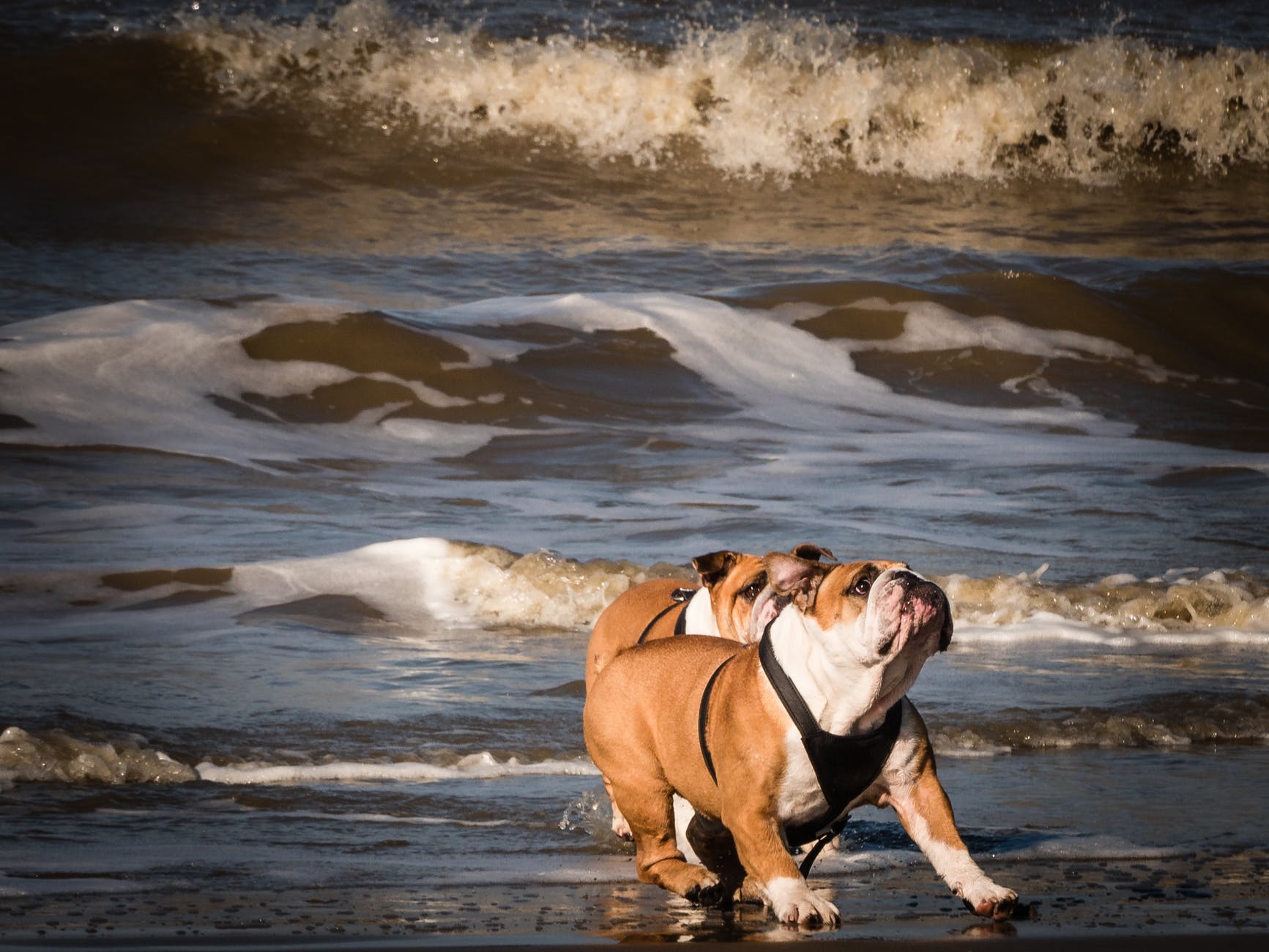
Choose your dog services carefully.
The UK as the animal loving nation that is it known for has lead the way in animal welfare changes for the last century, so you would anticipate the statistics regarding animal welfare issues to have decreased with it?. However between 2013 and 2015 3000 people were convicted of animal cruelty but only 7 % of these received a custodial sentence. (RSPCA 2018) in 2018 the RSPCA rescued more than 102900 animals and investigated a total of 130700 cruelty complaints only 1678 of these cases resulted in prosecution. So have the changes in legislation helped pet welfare?
A BBC report stated that in 2009 Battersea Dogs home euthanized a total of 2815 dogs 1931 of these for behavioural and temperament issues. BBC (2010),
Are the laws promoting awareness or are they part of the problem?
As The Animal Welfare Act 2006 now pushes the responsibility for duty of care, more and more people are seeking the help of ‘professionals’ as the vast majority of dog owners are aware that training and exercise are vital to ensure a well balanced happy dog that can be integrated into society.
So why are there so many dogs that need help with behaviour problems. The canine world is a confusing place, for dogs, owners and people that work within it. Media ‘experts’ are all over our screens now, each dishing out their own approach to solving problems. This is still an unregulated field and there is no single professional governing body to ensure certain standards are adhered to. In the hands of an inexperienced or misled professional the very issues the dogs are displaying can become exaggerated to the point the dog is surrendered and or put to sleep.
Under the Animal Welfare act this ‘professional’ does have an obligation to work within the guide lines of this law. So any walker, pet sitter, trainer or behaviourist that works with a dog has a responsibility for not only the dog, but also its actions whilst under their instruction! They also have a duty of care to ensure the dogs welfare needs are met and that it does not unnecessarily suffer. While working with a fearful dog if the wrong approach is taken or the correct programme rushed the dog could very likely be subjected to unnecessary suffering in the form of stress or fear, and the ‘professional’ will be held responsible for it. This responsibility reaches further than just the basic needs of the dog. The Control of Dogs Order 1992, states a collar must be worn with adequate detail whilst the dog is in a public place if the dog has no owner details whilst in the custody of a another person then they will be accountable. As is the same under the Dangerous Dogs Act 1991 section 3 clearly states that a dangerously out of control dog in public place is a criminal offence and whomever is in charge of the dog at the time will be deemed accountable for its actions.
“BUT MY DOG WOULDN’T HURT ANYONE” I hear you say and you are probably correct however you need to understand what defines a dog as dangerously out of control. The Control of dogs order defines a dangerously out of control dog as:
A dog that not just injures someone which you would expect but one that a person has grounds for reasonable apprehension that it may do so. The implications of this are momentous, if training or walking a reactive dog a member of the public comes to close and the dog lunges barking at them even though they have not made contact with that person and the situation has been controlled very quickly, The dog can still be reported as it could be deemed to have caused the person a reasonable apprehension that it may injure them. This could lead to the dog being seized. Even something as everyday as a dog chasing, barking or jumping up at someone could lead to a complaint. If the dog happened to break free and injure a member of the public during a session this would mean the dog may never be returned home to it family and could very likely be destroyed.
Safety and understanding of the implication of the law need to be the main priority for anyone working with dogs. Ability to interpret canine body language and continually managing the environment you are working within will reduce the risks and likelihood of any incident happening.
Professionals taking money for services from the public have a duty of care not only to ensure they abide by the law but they understand the implication if things go wrong and to also explain and assist you the owner as the same situation could quite easily happen. Did you know that your dog jumping up to say hello could get your lovable pup reported as a dangerous dog more importantly does the person you are paying know!
BBC (2010) Press Office, Available at: http://www.bbc.co.uk (Accessed: 28/05/2019).
RSPCA. (2019) Facts and figures, Available at: http://www.rspca.org.uk (Accessed: 28/05/2019).
the national archives (2019) The Dangerous dogs act 1991, Available at: http://www.legislation.gov.uk (Accessed: 25/05/2019).
 UK SCENT SPORT