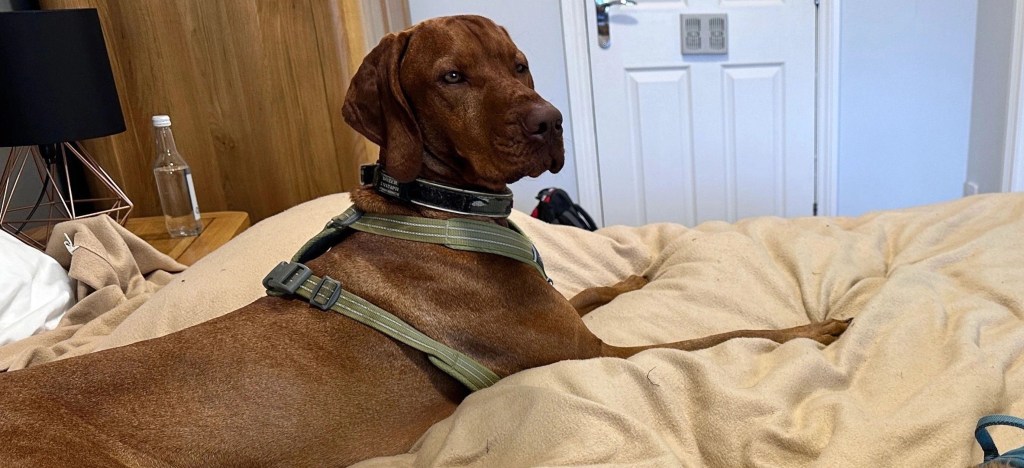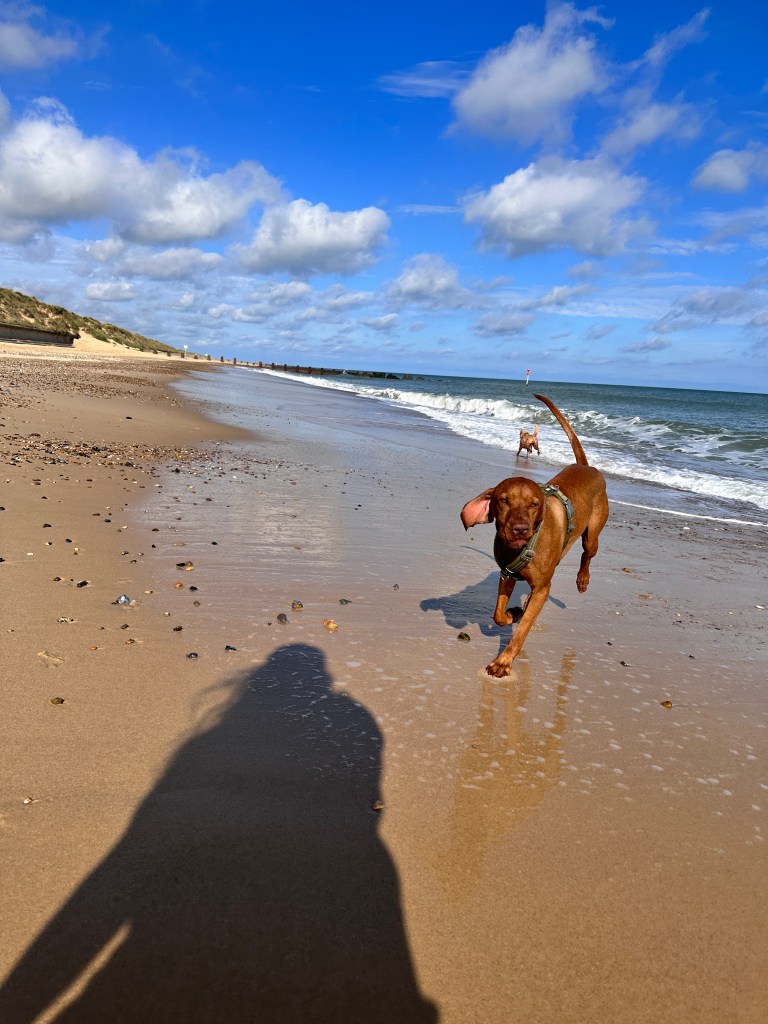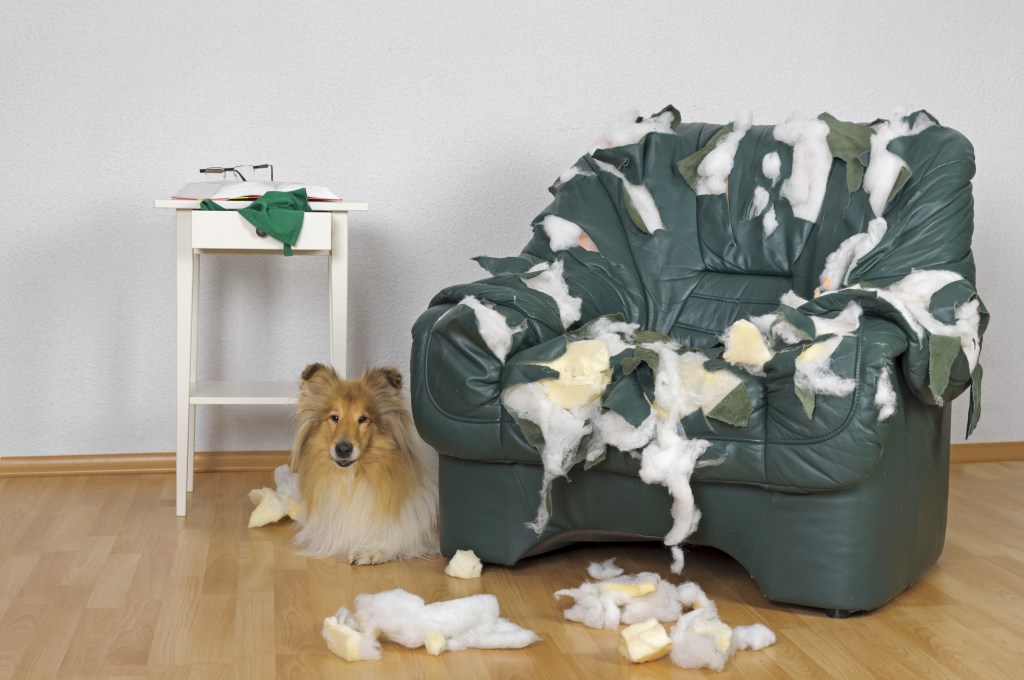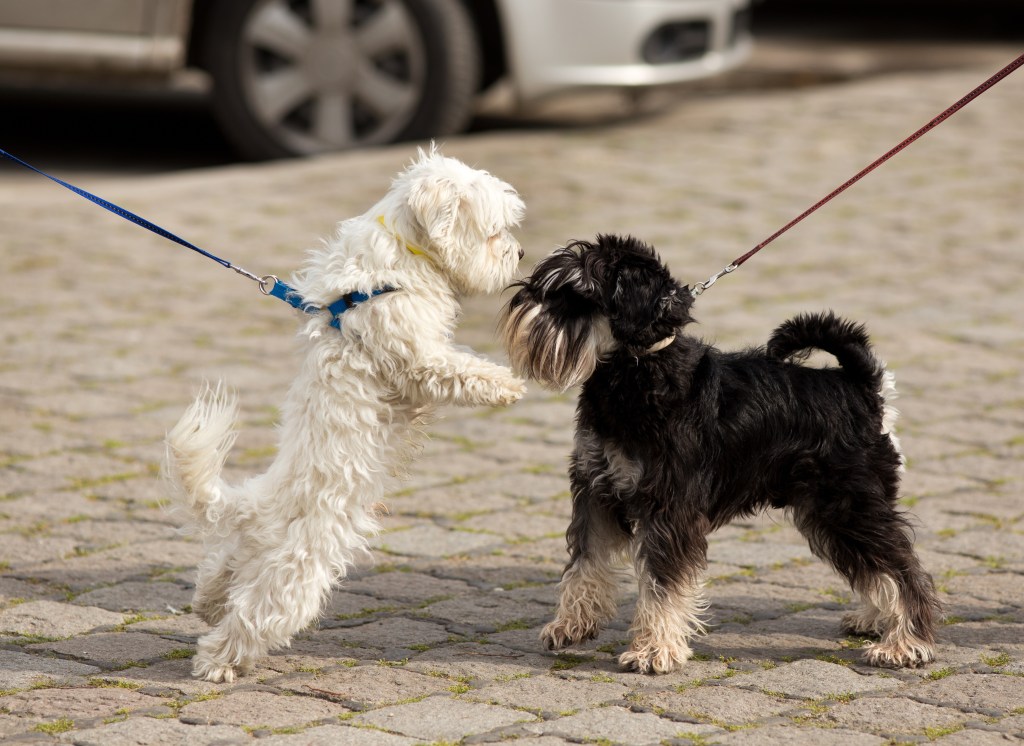
Fireworks and Dogs: Why the Sky Exploding Freaks Them Out (and How You Can Help)

It’s not just about training!!
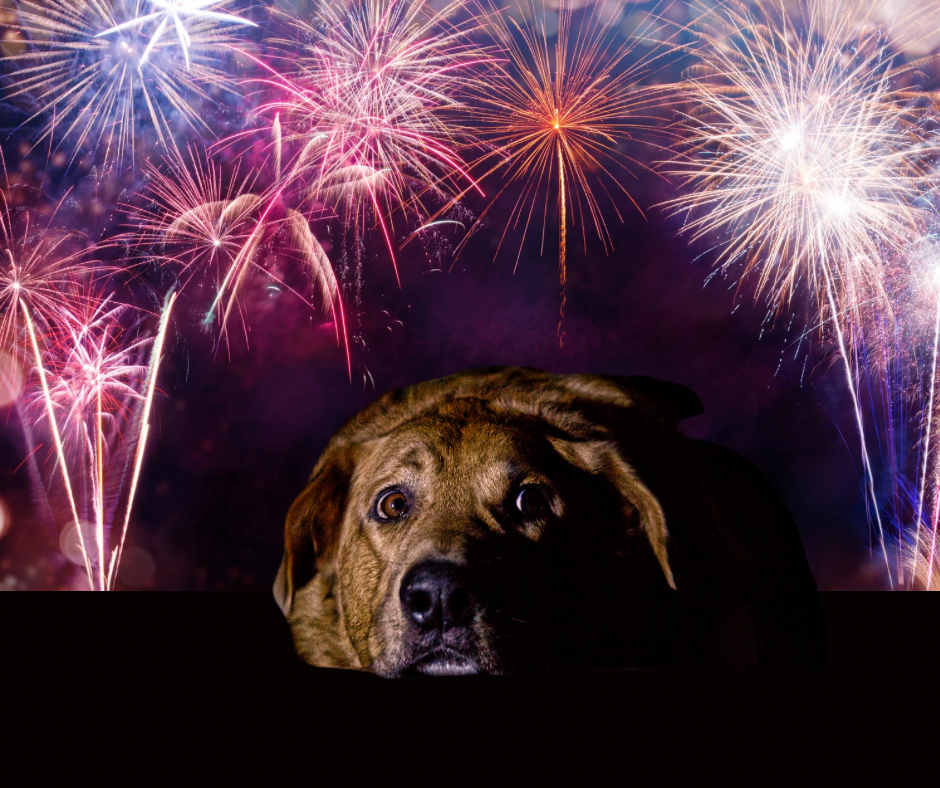
Every year, the UK calendar is packed with firework nights Bonfire Night, New Year’s Eve, Diwali, summer festivals. For us, it’s a sparkle show. For dogs, it’s basically: “The world is ending, run for cover!”

And science backs this up: up to 50% of dogs show fear of fireworks and other loud noises (Tiira et al., 2016, Scientific Reports). The signs can range from trembling to chewing through doors in a desperate escape attempt. Not fun for them, not fun for you.

I hope this guide blends research, practical solutions, and a dash of humour to help you understand what’s going on in your dog’s head and what you can do to help.

Let’s start with why dogs are terrified of fireworks

1. Super-hearing = super awful

Dogs hear at much higher frequencies than humans (up to 65 kHz, compared to our 20 kHz). That “pop” you shrug at? To them, it’s like standing next to a cannon (Heffner, 1983, Behavioral and Neural Biology).

2. It’s not just noise

Yes, the bang is the main culprit, but fireworks are a multi-sensory nightmare:

Sudden bright flashes Vibrations in the ground and walls The chemical smell of smoke And crucially, unpredictability

Dogs don’t think “celebration.” They think “sky grenades.”

3. Surprise is everything

Thunder gives a build-up. Fireworks? Pure jump scare. Imagine Netflix turning your rom-com into a horror movie without warning.

4. Hardwired survival mode

Dogs evolved to react quickly to sudden loud noises in the wild, it could mean predators or danger. Their brain doesn’t know the difference between a predator and a Catherine wheel (Overall, 2013, Manual of Clinical Behavioral Medicine for Dogs and Cats).

5. Memory that won’t quit

One bad firework experience and your dog files it under “Never Forget.” Next time, a flash or bang triggers panic before the actual noise even starts.

How common is this, really

Multiple population studies put noise sensitivity at roughly 32 to 39 percent of dogs, with fireworks commonly named, and with notable co occurrence alongside other fears.

Noise vs flashes: what science says

Studies consistently show that noise is the number one trigger (Sherman & Mills, 2008, Journal of Veterinary Behavior). Dogs are most distressed by the loud, sudden, unpredictable bangs.

But flashes, smells, and vibrations make things worse. Some dogs even learn to anticipate the bang after the flash cue more stress before the sound arrives. It’s rarely one or the other; it’s usually both working together to overwhelm your dog’s senses.

So what fear looks like in dogs

Signs vary, but common ones include:

Trembling, panting, drooling Ears pinned back, tail tucked Hiding or clinging Barking, whining, howling Refusing food Escape attempts (scratching, chewing, bolting)

At its worst, dogs can injure themselves or develop long-term noise phobias (Blackwell et al., 2013, Applied Animal Behaviour Science).

The science of what works (and what doesn’t)

Research has actually compared different strategies. Here’s the breakdown (Riemer, 2020, Journal of Veterinary Behavior):

✔ Counterconditioning (bang = treat) – effective for 70%+ of dogs

✔ Desensitisation (gradual noise exposure) – works long-term if started early

✔ Relaxation training – helps dogs cope better in stressful moments

✔ Safe zones & sound masking – reduce stress load

✔ Pressure wraps (ThunderShirt) – mixed results, helps some dogs

✔ Medication (vet-prescribed) – very effective in severe cases

⚠ Herbal remedies, supplements, pheromone sprays – mixed or weak evidence. They may help mild cases, but they’re not a magic bullet.

Key principles science, and no myths!!

Fear is an emotion, not a trick When your dog is shaking, panting, and hiding under the table, they are not “being naughty” or “trying it on.” Fear is an emotional response driven by the limbic system, not a conscious choice. You cannot “reinforce” fear by offering comfort or food any more than you can make someone more terrified of spiders by giving them chocolate or a hug after they scream. Blackwell et al. (2013) and Sherman & Mills (2008) both emphasise noise fears as emotional states requiring support, not punishment. In Riemer (2020), owner reports showed counterconditioning literally feeding after bangs was one of the most effective strategies.

If food could reinforce fear, every time you handed someone popcorn during a horror movie, they’d become more terrified. Spoiler, they don’t.

Thresholds matter Dogs can only learn when they are under threshold. Once your dog is trembling so much they cannot eat, the learning train has left the station. You can’t do algebra on a rollercoaster. At that point, comfort, safety, and possibly medication are the only ethical options. Riemer (2023) stresses that desensitisation and counterconditioning must happen at levels that do not elicit panic.

Early practice changes brains Counterconditioning needs to start before the big bangs. Use TV recordings of fireworks, playlists on YouTube, or even video clips with both flash and sound. Start so low your dog barely notices, pair with treats, play, or calm petting. Slowly increase volume and intensity. Pavlov 101: Classical conditioning works by changing associations, not by bribing behaviour.

Think of it like chilli sauce. Start with mild salsa, not ghost peppers. Otherwise you end up with tears, snot, and regrets!
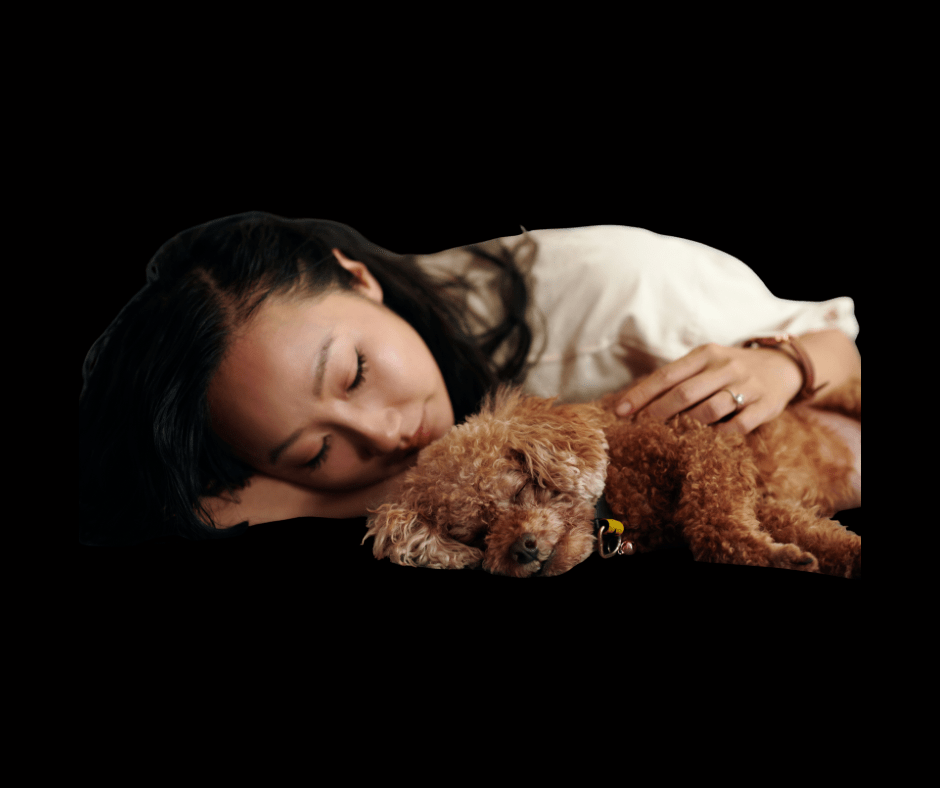
Comfort is not a crime Comforting a fearful dog does not make them “weaker.” Studies show dogs seek social support from humans in stressful situations, and our calm presence can reduce stress hormone levels (Mariti et al., 2012, Physiology & Behavior). You are their safe person. Be safe.

If your best friend is having a meltdown and you hand them a cup of tea, you don’t make them more likely to meltdown tomorrow. You just stop them from burning the house down tonight. Same with dogs.

Our three-stage survival plan

Stage 1: Prep (weeks before)

Build a safe zone Quiet room, blackout curtains, comfy bedding, white noise. Think luxury bunker, not prison cell. The more your dog learns to relax here in everyday life, the more effective it will be when fireworks kick off. Desensitisation & counterconditioning Firework playlist on whisper volume, food for calm behaviour, then slowly increasing over days or weeks.

Research shows counterconditioning (bang = treat/chicken) works in over 70% of cases (Riemer 2020). Humour note: Training during fireworks is not “surprise algebra,” it’s “tiny maths problems with sweets as prizes.” Keep it small and sweet. Relaxation cue Teach your dog to settle on a mat with a calm word. It sounds twee, but research backs this up (Riemer 2020 69% owner-reported effectiveness).

Think yoga class, but with fewer leggings and more liver treats. Introduce calming aids early ThunderShirts, Adaptil diffusers, Zylkene supplements. Introduce them during chill times, not five minutes before the sky explodes.

Logistics Walk and feed before dark, check ID tags, update microchips, and for dogs who go nuclear, get vet-prescribed medication ahead of time. Trial it on a quiet night so you don’t discover side effects mid-finale.

Stage 2: During the fireworks

Stay calm yourself Dogs read our body language and emotions. If you’re leaping around yelling “IT’S OKAY, IT’S OKAY,” your dog will think you’ve lost the plot. Breathe, sit, and be boringly calm. Allow hiding Don’t drag them from their den. Hiding is a natural coping strategy. They are not being “antisocial,” they are being smart survivalists. Use counterconditioning, if possible If your dog is calm enough to eat, use “bang = cheese.” Research says this shifts emotional responses over time (Riemer 2020).

If your dog won’t eat, stop trying. At that point, the brain is in panic mode and learning is paused.

Trying to train when your dog is over threshold is like handing someone a sandwich mid-bungee jump. Nice thought, wrong timing.

Distract before with enrichment Puzzle feeders, stuffed Kongs, lick mats. The act of licking and chewing activates calming pathways in the brain (Horowitz et al., 2019). Mask the noise Classical music, white noise, or TV can reduce the starkness of bangs (Kogan et al., 2012). Medication if needed For dogs that melt down, this is not failure, it’s welfare. Research shows medication is effective and humane when fears are severe (Sherman & Mills, 2008).

Stage 3: After

Recovery time

When the bangs finally stop, your dog’s body doesn’t flick a switch back to calm. During fireworks their system floods with adrenaline (for immediate fight or flight) and cortisol (the stress hormone that lingers). Adrenaline burns off within minutes to hours, but cortisol can stay elevated for up to 48–72 hours in dogs, which means their brain and body may not return to homeostasis (normal balance) straight away. Some dogs shake it off quickly, others need a couple of quiet days to reset. During this period, keep routines predictable, avoid extra stressors, and add gentle, sniffy walks that allow decompression without pressure.

Review what worked

Once your dog is calmer, take stock. Did they eat? Did the safe zone help? Did enrichment hold their attention? Make notes now so you can refine your plan for next year instead of winging it again when rockets start flying.

Seek help if it’s escalating

If your dog isn’t bouncing back, or each year seems worse, that’s your sign to get support. Early intervention prevents entrenched noise phobias. Reward-based behaviourists and vets can help design tailored plans and if medication is needed, it’s a welfare tool, not a failure.

Think of it like your dog had a wild night out they never wanted. While you’re ready to move on, their brain chemistry is still hungover. Dim the lights, keep things chill, and don’t invite them to karaoke just yet.

Final word

Fireworks won’t go away, but fear doesn’t have to rule your dog’s life. The recipe is simple: start early, stay calm, use science, and ignore old myths.

Your dog is not being dramatic. To them, fireworks are sky grenades, alien lasers, and smoke bombs rolled into one. Their logic is simple: bunker down until the world stops exploding. Our job is to help them feel safe, build new positive associations, and have medical backup when needed.
How to Help a Nervous Rescue Dog Adjust to Its New Home with Force-Free Training

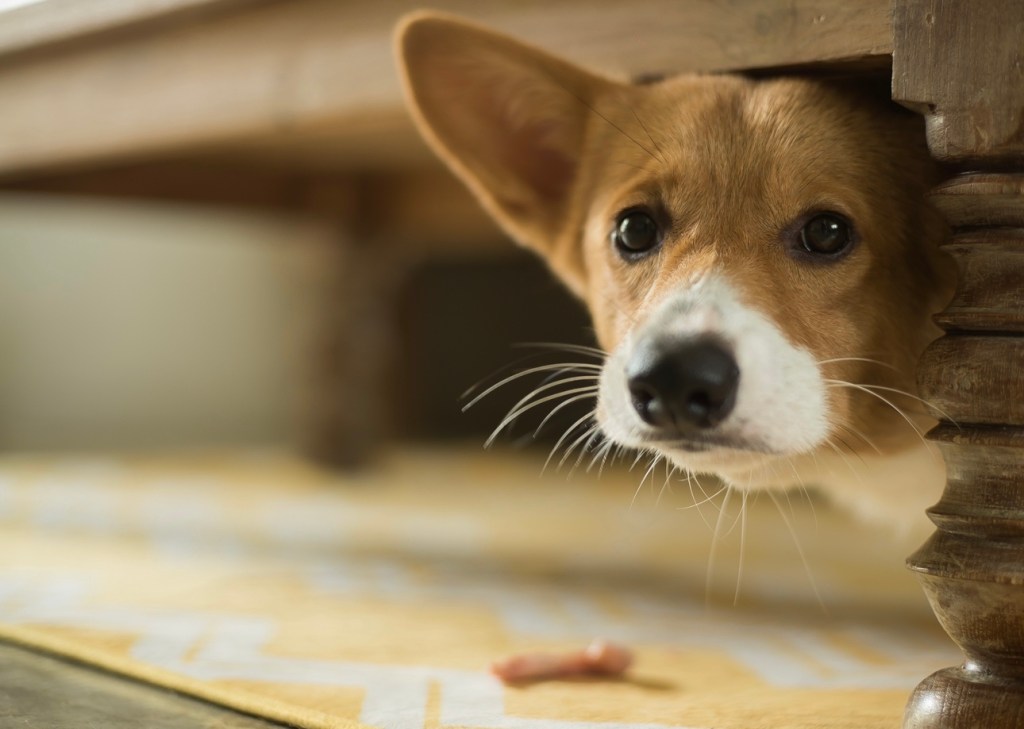
Bringing home a rescue dog is an incredibly rewarding experience, but let’s be honest sometimes it feels like you’ve just adopted a furry little question mark. One minute they’re cautiously sniffing around, and the next, they’re hiding behind the couch like it’s a zombie apocalypse. If your new pup is on the nervous side, don’t worry force-free training, tapping into the natural desires and patience can work wonders.

Meet Goose – My Own Rescue Success Story

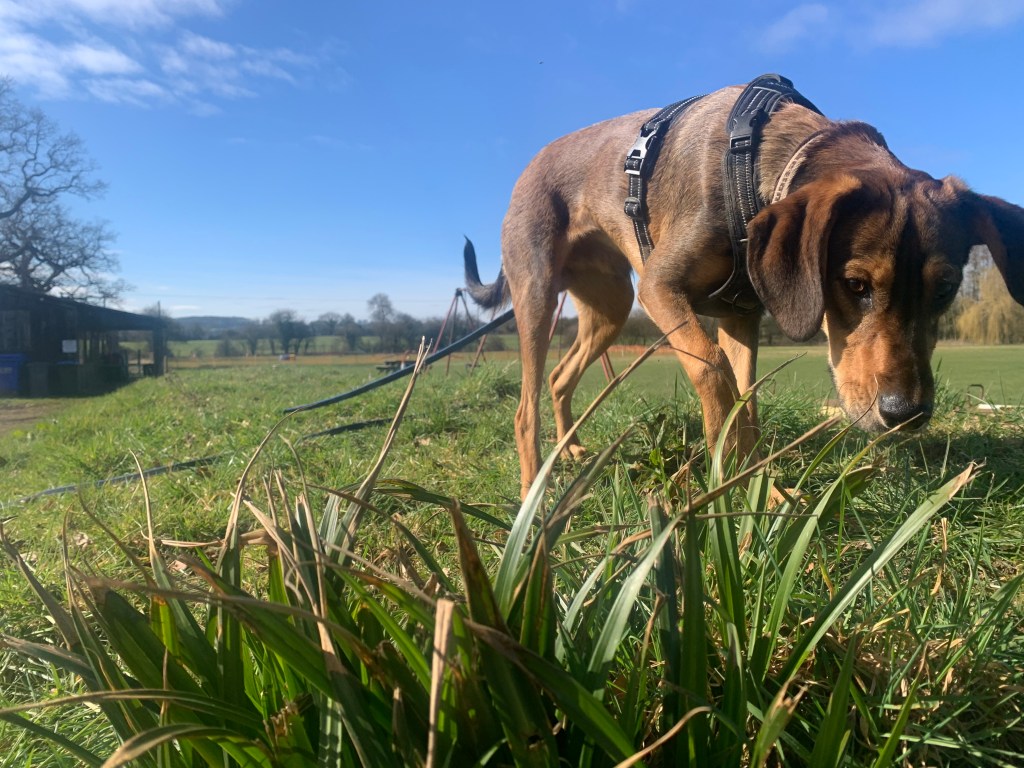
Before we start, let me introduce you to Goose, my own rescue dog. When Goose first arrived, he was anxious and unsure of his new surroundings. With patience, positive reinforcement, and force-free training, he slowly blossomed into the confident (so of the time) and loving companion he is today. His journey inspired me to help other dogs adjust and thrive, which is a large part of the work DogHampton in Northamptonshire do, we are dedicated to force-free training and helping dogs build trust with their humans.

Once Goose had settled, we introduced track trailing as a way to build his confidence. This safe, on-lead activity allowed him to tap into his natural instincts to hunt and follow scents while giving him a structured way to engage with the world around him. Since he was securely on a lead, we didn’t have to worry about his lack of recall, and he absolutely thrived with this newfound job! Watching him follow a trail with excitement and determination was a game-changer in his journey toward confidence.

Step 1: Give Them Time to Decompress

Imagine you just moved to a foreign country where you don’t speak the language, the food is weird, and the locals (that’s you) keep staring at you expectantly. Overwhelming, right? That’s exactly how your rescue dog feels.

  • Create a quiet, cozy space where they can retreat.
  • Keep introductions slow—let them come to you instead of overwhelming them with affection.
  • Stick to a consistent routine to build a sense of security.

Step 2: Build Trust with Positive Reinforcement

Force-free training is the gold standard for gaining a nervous rescue dog’s trust. This means no yelling, no harsh corrections, and definitely no dominance-based techniques. Instead, let’s bribe I mean, motivate them with tasty rewards and praise.

  • Use high-value treats (think chicken, cheese, or whatever makes their tail wag like a propeller).
  • Mark and reward calm behaviours if they sit or make eye contact, praise them.
  • Respect their space forcing interaction can backfire. Let them approach you in their own time.

Step 3: Teach Basic Cues at Home

So, what’s the best way to train my dog at home? Short, positive sessions in a quiet environment. Nervous dogs thrive when they understand what’s expected of them, so start with simple cues.

  • Sit and Down – These give your dog something to focus on besides their worries.
  • Touch (target training) – Encourages engagement in a non-threatening way.
  • Mat training – Teaches them that their bed is a safe, rewarding place.

Step 4: Socialisation—At Their Pace

Rescue dogs often have a history, and we don’t always know the full story. That’s why socialisation should be gentle and gradual.

  • Start with low-distraction environments before heading to busier places.
  • Let them observe from a distance before encouraging interaction.
  • Keep interactions with other dogs and people short and positive.

Step 5: Addressing Fear-Based Behaviours

If your dog reacts nervously (barking, cowering, freezing), resist the urge to punish them. Instead:

  • Identify triggers and work on desensitisation.
  • Allow them to retreat from the trigger, build trust and become your dogs ‘safe space’.
  • Pair scary things with rewards (e.g., if they’re scared of the vacuum, give treats when it’s off and gradually when it’s on).
  • Use calming tools like snuffle mats, lick mats, or anxiety wraps.
  • Timing is crucial, contact a professional to help

Step 6: Be Patient, Celebrate Small Wins

Progress won’t always be linear some days, your dog will feel brave, and others, they might regress. That’s totally normal! Celebrate the small victories, whether it’s the first tail wag or finally venturing into the kitchen without hesitation.

Final Thoughts

Learning how to train a rescue dog isn’t about quick fixes it’s about building trust, confidence, and a lasting bond. Force-free training ensures they feel safe while learning the ropes of their new life. With patience, love, and a little humour, your rescue dog will go from nervous newbie to confident companion in no time!

Bonus Tip: If you’re feeling stuck, consider working with a force-free trainer who can offer guidance tailored to your dog’s unique needs. If you’re in Northamptonshire, DogHampton is here to help, just like we helped Goose!🐾

Recognising Behavioral Signals and understanding Stress in Dogs


Our dogs are not immune to stress. Just like humans, they can experience a range of emotional and physiological changes when faced with stressors. As responsible pet owners, it’s crucial to recognise these signs and understand the underlying science behind stress in dogs. Failure to recognise these very often leads to trigger stacking. (Check out our previous blog)


When dogs encounter stress, their bodies release stress hormones such as cortisol and adrenaline. These hormones trigger various physiological changes that impact their behaviour and overall well-being. A study conducted by Beerda et al. (1999) found that stress in dogs can lead to increased heart rate, blood pressure, and respiratory rate. Additionally, elevated cortisol levels can affect the immune system and impair digestion, contributing to a host of health issues.

Some Behavioural Signals of Stress in Dogs:

  1. Excessive Barking or Howling:
    Stressed dogs may resort to excessive vocalisation as a way to express their anxiety or discomfort.
  2. Pacing or Restlessness:
    Restlessness, pacing back and forth, or an inability to settle down can indicate heightened stress levels in dogs.
  3. Excessive Panting or Drooling:
    When dogs are stressed, they may exhibit increased panting or drooling, as these physiological responses help regulate their body temperature during stressful situations.
  4. Tail Tucking between the Legs:
    A tucked tail is often a clear sign of fear or anxiety in dogs. It indicates their desire to withdraw or protect themselves from the stressor.
  5. Dilated Pupils:
    Stress can cause a dog’s pupils to dilate as a result of the increased release of adrenaline, preparing their bodies for a potential threat.
  6. Excessive Scratching or Licking:
    Stressed dogs may engage in excessive scratching or licking, as stress can trigger skin sensitivities and allergies.
  7. Reduced Appetite or Sudden Weight Loss:
    Just like humans, dogs may experience a loss of appetite or sudden weight loss during stressful periods. Stress can affect their digestive system, leading to decreased interest in food.
  8. Aggression or Growling:
    Stress can manifest as aggression or growling in dogs. This behaviour serves as a defensive mechanism to protect themselves from perceived threats.
  9. Trembling or Shaking:
    Trembling or shaking is a common physical manifestation of stress in dogs, indicating their heightened emotional state.
  10. Excessive Yawning:
    Dogs may yawn excessively when under stress. Yawning in this context is not necessarily due to tiredness but rather as a coping mechanism to release tension.
  11. Hiding or Seeking Solitude:
    Stressed dogs may seek isolation or hide in confined spaces as a way to cope with stressors.
  12. Excessive Shedding:
    Increased shedding can be a sign of stress in dogs, as the body responds to stress by shedding hair more rapidly.
  13. Excessive Vocalization:
    Some dogs may become vocal when stressed, whining or whimpering to express their discomfort.
  14. Destructive Behavior:
    Stress can lead to destructive behaviour in dogs, such as chewing on furniture, shoes, or other objects, as a way to alleviate their anxiety.
  15. Excessive Lethargy:
    While some dogs may become restless when stressed, others may display excessive lethargy, appearing sluggish or uninterested in their usual activities.
  16. Excessive Licking of Lips:
    Stressed dogs may frequently lick their lips or nose as a self-soothing behaviour to relieve stress.
  17. Frantic neediness: trying to climb up you jumping up, over friendly clingy behaviours.
  18. Excessive Salivation:
    Excessive salivation, often resulting in the dog having a wet or foamy mouth, can be a sign of stress or anxiety.
  19. Sudden Changes in Bathroom Habits:
    Stress can cause dogs to have accidents indoors or experience changes in their bathroom habits, such as increased frequency or difficulty urinating or defecating.
  20. Avoidance Behavior:
    Stressed dogs may actively avoid certain people, places, or situations that they associate with stress, seeking to distance themselves from potential stressors.


Recognising these behavioral signals is vital, as it allows us to address the underlying causes of stress in our dogs. Some common stressors for dogs include changes in their environment, separation anxiety, lack of physical or mental stimulation, noise phobias, or unfamiliar situations.

To alleviate stress in dogs, it’s essential to provide a safe and stress-free environment that meets their physical and emotional needs. This can include regular exercise, mental stimulation, a consistent routine, positive reinforcement training

Understanding the signs of stress in dogs is crucial for their overall well-being. By recognising these behavioural signals and addressing the underlying causes, we can help our dogs lead happier and healthier lives. Remember, each dog is unique, and stress manifests differently in individuals. If you suspect your dog is experiencing stress, consult a professional to develop a tailored approach that suits their specific needs. Let’s prioritise the mental and emotional health of our dogs!

References:

  • Beerda, B., Schilder, M. B., van Hooff, J. A., de Vries, H. W., & Mol, J. A. (1999). Chronic stress in dogs subjected to social and spatial restriction. II. Hormonal and immunological responses. Physiology & Behavior, 66(2), 243-254. doi: 10.1016/s0031-9384(98)00327-7

I broke my dog!

Last night, my adorable dog Dozer suddenly transformed into a completely different creature. He exhibited reactive behaviour, which is not typical of him at all. We were sitting in a pub, patiently waiting for our food, when someone walked past with another dog. Normally, this wouldn’t have fazed him, but this time he abruptly lunged forward, barking so loudly that it startled everyone around us. His barking persisted, and we had to remove him from the room and take him outside. This is completely out of character for our baby Dozer.

So, what caused this sudden change? The answer is trigger stacking. Our recent experiences have been quite eventful as we are currently staying in a hotel near Southampton. While it sounds lovely, the past few days have been filled with various stressors for Dozer. It all started five days ago when we were still in Waxham, in our caravan. Thomas, who Dozer loves left to go home, and our pup began searching for him during every walk. Then, during a lunch outing, a dog sitting at the next table stared intently at Dozer, making him feel unsettled. Following that, we experienced three storm fronts with thunder throughout the night, which is never pleasant when living in a caravan.

The next morning, strong winds with 30mph gusts caused our awning to start separating from the caravan. We had to frantically empty its contents and take it down in high winds, creating a lot of noise and chaos. While we were finishing packing away tables and chairs, Dozer was let out to investigate. Unfortunately, in the mess, I accidentally trapped my finger in a folding table, causing a painful injury to my finger and blood to pour everywhere. Dozer became stressed and began to jump up at me almost trying to climb up me after sniffing all of the blood. The following night brought another storm, and yesterday morning, we embarked on a long five-hour drive to Southampton through horrendous weather. Arriving late at the hotel, Dozer, who had never been in a hotel before, couldn’t settle down. He spent most of the night pacing and grumbling at every noise.

All of these stressors and changes have been too much for my sweet Dozer to handle and recover from. Sometimes life becomes difficult to control, and our dogs struggle to keep up with the fast pace. This is my apology to my beloved dog and my confession of feeling like a less-than-perfect caretaker.

So what exactly is trigger stacking?

Trigger stacking in dogs occurs when multiple stressors or triggers accumulate, overwhelming the dog’s coping mechanisms and resulting in an exaggerated or inappropriate response. Similar to humans, dogs can experience stress from various sources like loud noises, unfamiliar environments, changes in routine, and interactions with other animals or people.

When a dog faces multiple stressors in a short period, these triggers can accumulate and have a cumulative effect. For instance, if a dog is already anxious due to a thunderstorm and then encounters a stranger entering their home, their reaction may be more intense compared to experiencing only one stressor at a time. This is because each trigger adds to the dog’s overall stress level, making it challenging for them to remain calm.

During trigger stacking, the body releases adrenaline and cortisol, stress hormones that prepare the dog for a fight-or-flight response. It takes time for these hormones to return to normal levels, and the dog’s body to reach homeostasis. This is why it’s crucial to manage trigger stacking and prevent it from occurring in the first place.

Once we are back home, I will give Dozer a few days of normality to allow his cortisol levels to reduce (which can take up to 3 days). After that, I will gradually reintroduce him to pubs and cafes, taking small steps to ensure he doesn’t generalise his behaviour to all eating places. It is important to plan and organize this process carefully. If I miss the signs of him becoming uneasy and allow him to become overwhelmed to the point of reacting with an outburst, we risk creating a pattern.

Although trigger stacking led to this behaviour, in Dozer’s mind, barking and lunging were attempts to make the other dog go away. By removing him from the situation, this goal was achieved. I’m not suggesting that we should have moved him outside to calm down because we most certainly should have, but rather pointing out that mismanaging the situation could create a pattern where Dozer believes barking and lunging leads to the removal of the perceived threat.

This is often where reactive behaviour starts. Owners may either avoid the situation entirely, which means the dog never learns how to react appropriately other than barking and lunging, or they continue to expose the dog to the situation but in excessive amounts, resulting in a cycle of bark-lunge-removal. This can be incredibly frustrating for both the owner and the dog.

To visualize the situation, imagine it as a game of buckeroo, with the original trigger being the full load that causes the donkey to buck. To start, we need to have just one or two items on the saddle, then stop and give time between sessions to remove the items and allow your dog to process and recover.

Remember, each dog is unique, so it’s always recommended to consult with a professional dog trainer or behaviourist who can provide personalised guidance and support based on your dog’s specific needs

Unruly Dogs: Understanding and Addressing Behavioural Issues

For centuries, dogs have been our loyal, loving, and obedient companions. However, not all dogs fit this stereotype, and some may exhibit unruly behaviour that leaves their owners frustrated and unsure of how to address the issue. In this blog, we will delve into some factors that can contribute to a dog being out of control, including health, diet, breed, lifestyle, and genetics.

While certain breeds may have a predisposition towards certain behavioural problems, it is important to remember that every dog is an individual. Genetics is just one piece of the puzzle. Here are some considerations when addressing these issues in breeds with predisposed behaviours:

Early Socialisation and Training:

Regardless of breed, early socialisation and training are crucial to shaping a dog’s behaviour. By properly exposing them to various environments, people, and animals from a young age, we can mitigate potential behavioural issues.

Breed-Specific Exercise and Mental Stimulation:

Recognizing the specific needs of your dog’s breed is important. Providing ample exercise and mental stimulation tailored to their breed traits can help channel their energy and prevent behavioural problems associated with boredom or under-stimulation.

Professional Guidance:

Seeking professional help from trainers or behaviourists experienced with specific breeds can provide valuable insights and guidance in addressing breed-specific behavioural issues.

The Role of Health and Diet:

Underlying health issues can sometimes manifest as behavioural problems in dogs. Consulting a veterinarian to rule out any medical conditions that may be causing or exacerbating the dog’s behaviour is crucial. Additionally, a well-balanced, nutritious diet can positively impact a dog’s behaviour and overall temperament. (See last week’s blog for more details on diet)

The Importance of Lifestyle:

Dogs are social animals and require more than just physical exercise. A lack of balance between exercise, mental stimulation, and social interaction can result in restlessness, hyperactivity, and destructive behaviour. Providing adequate exercise, engaging toys and games, and regular socialisation opportunities can help channel their energy in a positive direction.

Understanding Breed and Genetics:

Different dog breeds have distinct traits and temperaments. While genetics influence a dog’s behaviour, it is essential to remember that proper training, socialisation, and a nurturing environment can still shape a dog’s behaviour positively. Tailoring training and management techniques according to breed-specific tendencies is highly effective.

Consistency Positive Reinforcement:

Consistency in training methods and expectations is crucial for helping an out-of-control dog. Positive reinforcement techniques, such as rewarding desired behaviours and ignoring or redirecting unwanted ones, can be highly effective. Patience, understanding, and clear communication are key to encouraging positive changes in the dog’s behaviour.

Seeking Support:

Support from fellow dog owners, online communities, or local dog training clubs can provide guidance, empathy, and shared experiences. Sharing challenges and successes with others who have faced similar situations can be a valuable source of encouragement and knowledge.

Here are a couple of the cases we are currently working with:

Case 1: Barking and Car Chasing

Breed: Border Collie

Border Collies are highly intelligent and energetic dogs with a strong herding instinct. They may exhibit behaviours such as nipping at heels or chasing moving objects if not properly trained and mentally stimulated. Effective training and mental stimulation can help address these tendencies. Firstly, we needed to identify the triggers to determine what initiates the chasing and barking. It could be the sound, movement, understanding this is crucial to building a program that will help. Then we begin to desensitise and counter-condition. Gradually exposing her to the triggers in a controlled manner, starting from a distance. Using positive reinforcement techniques, such as treats and praise, to reward her calm behaviour.

Case 2: Digging Holes in the Garden, Zero Recall

Breed: Siberian Husky

Siberian Huskies are known for their striking appearance and independent nature. With a strong prey drive, they may be prone to escaping or wandering off if not securely fenced. Additionally, they require a lot of exercise to channel their high energy levels. Again, we needed to establish why he was digging. We determined that this was driven by the need to escape and explore the world beyond the fence. This was the same for his lack of recall; he simply wanted to investigate everything, and a walk a couple of times a day was just not enough. He now has a busy roster of mentally stimulating games aimed at unleashing the prey drive and building a better relationship with his owner by playing fun games. A regular visit to an off-lead secure field for him to run and weekly training sessions to stimulate his busy mind.

Dealing with an out-of-control dog can be overwhelming, but with the right approach, it is possible to help them become well-behaved and happy companions. By addressing underlying health issues, providing a nutritious diet, understanding breed traits, ensuring an active lifestyle, and seeking professional training and behaviour modification, you can set your dog up for success. Remember, patience, consistency, and a positive reinforcement approach are vital in helping these dogs overcome their challenges and thrive in their human families. With dedication and support, both you and your unruly dog can find harmony and create a strong bond built on trust and understanding. Together, you can navigate the journey of addressing behavioural issues and enjoy the rewarding experience of having a well-behaved and contented dog by your side.

“The Canine Conundrum: Exposing the Truth Behind UK Dog Food – What You Need to Know!”


As pet owners, we all want the best for our dogs. We shower them with love, attention, and care. However, one area that often goes overlooked is their diet. Feeding your dog a cheap dog food may seem like an economical choice, after all there must be regulations to ensure the standard of their food! right? Wrong! the dog food industry in the UK lacks stringent regulations, leaving a concerning gap in ensuring the quality and safety of the products we feed our pets. In this blog, we will explore the alarming lack of regulations in the UK dog food industry, citing specific cases of recalls, and uncovering the reasons behind this concerning issue.

1. The Absence of Adequate Regulations: The regulations governing pet food in the UK are significantly less rigorous compared to those imposed on human food. Currently, there is no specific legislation that sets out the minimum nutritional requirements or ingredients allowed in dog food. This lack of regulation allows for potential loopholes that could compromise the quality and safety of the products.

2. Ingredients Found in Dog Food and Associated Issues:

a. Fillers and By-Products: Some dog food manufacturers use fillers and by-products as cost-saving measures. These can include ingredients such as corn, wheat, soy, and meat by-products. While these ingredients may not pose an immediate danger, they lack the nutritional value necessary for a well-balanced diet, potentially leading to deficiencies and digestive issues in dogs.

b. Artificial Additives and Preservatives: Many dog foods contain artificial additives and preservatives to enhance flavour, colour, and shelf life. Some common additives include propylene glycol, BHA (butylated hydroxyanisole), BHT (butylated hydroxytoluene), and ethoxyquin. These additives have been linked to various health concerns such as allergies, organ damage, and even cancer in dogs.

c. Allergenic Ingredients: Certain dog food brands may contain ingredients that are known allergens for dogs, such as beef, chicken, dairy, or grains. Dogs with food allergies or sensitivities can experience symptoms like skin rashes, itching, gastrointestinal issues, and even chronic ear infections when exposed to these allergenic ingredients.

3. Recalls and Safety Concerns:

a. The 2007 Pet Food Recall: One of the most notorious cases of dog food recalls occurred in 2007 when contaminated ingredients from China led to the deaths of thousands of pets in the US. Although not directly related to UK regulations, this incident shed light on the potential risks associated with inadequate quality control and lack of transparency in the dog food industry.

b. The 2019 Taurine Deficiency Scare: In 2019, a worrying trend emerged as several dog breeds were diagnosed with taurine deficiency, a condition linked to heart disease. Investigations revealed that certain dog food brands contained insufficient levels of taurine, a crucial amino acid for canine health. This case highlighted the need for stricter regulations to ensure essential nutrients are present in dog food.

4. The Role of Self-Regulation: Currently, self-regulation plays a significant role in the UK dog food industry. Manufacturers are responsible for ensuring the quality and safety of their products, and adherence to voluntary guidelines such as those set by the European Pet Food Industry Federation (FEDIAF). However, relying solely on self-regulation poses inherent limitations and potential conflicts of interest, compromising the well-being of our pets.

5. The Path Towards Improvement: Recognising the need for change, various organisations and pet food manufacturers have been advocating for stricter regulations in the UK. Calls for mandatory labelling, clearer ingredient disclosure, and nutritional standards have gained momentum, aiming to provide pet owners with greater transparency and peace of mind.

Can this effect behaviour or just health?

The absence of stringent regulations in the UK dog food industry raises concerns about the quality and safety of the products we feed our four-legged companions. Ingredients found in some dog foods, such as fillers, artificial additives, and allergenic substances, can lead to nutritional deficiencies, allergies, and other health issues in dogs. Combined with cases of recalls and safety concerns, this emphasizes the pressing need for stronger regulations to protect our pets’ health. As responsible pet owners, it is essential to stay informed, demand transparency, and support initiatives that aim to improve the regulations surrounding dog food manufacturing. Together, we can ensure a healthier and safer future for our furry friends.

1. Lack of Essential Nutrients: The use of fillers instead of the necessary nutrients that your dog needs to thrive are typically high in carbohydrates and lack essential proteins, vitamins, and minerals. This nutritional deficiency can impact your dog’s physical and mental well-being, leading to lethargy, weakened immune system, and an array of behavioural problems.

2. Hyperactivity and Aggression: Diet plays a crucial role in a dog’s behaviour. Feeding your dog food that contains excessive levels of artificial additives, preservatives, and food colourings can trigger hyperactivity and restlessness. The lack of proper nutrition and an imbalanced diet can contribute to irritability, anxiety, and even aggression in some cases.

3. Digestive Issues: Poor-quality ingredients and fillers can upset your dog’s digestive system. Digestive issues like diarrhoea, constipation, and excessive gas can be signs that your dog’s current diet is not suitable for their optimal gut health. These digestive problems can lead to discomfort and subsequently affect your dog’s behaviour, causing irritability and mood swings.

4. Skin Problems and Itching: Many dog foods contain low-quality protein sources and unhealthy fats that can lead to skin issues, such as dryness, itchiness, and inflammation. Uncomfortable skin conditions can cause your dog to scratch excessively, leading to behavioural changes like restlessness, irritability, and difficulty in focusing.

5. Poor Dental Health: The quality of your dog’s food can significantly impact their dental health. Foods lacking in the necessary texture and quality to promote good oral hygiene and can lead to dental diseases, including gum infections and tooth decay, which can cause pain and discomfort. These discomforts can manifest in behavioural changes like aggression, reluctance to eat, and increased irritability.

Conclusion: Feeding your dog cheaper dog food may seem like a money-saving option initially, but the long-term consequences can outweigh the short-term benefits. Poor nutrition resulting from low-quality ingredients can lead to a range of behavioural issues, including hyperactivity, aggression, digestive problems, skin issues, and poor dental health. It is crucial to prioritise your dog’s nutritional needs by investing in high-quality dog food that provides a balanced diet to ensure their overall well-being and behaviour stability.

Choosing the best types of food to feed your dog is essential for their overall health and well-being. While individual dietary needs may vary based on factors such as age, breed, and any underlying health conditions, here are some general guidelines for selecting high-quality dog food:

1. Look for Complete and Balanced Formulas: Ensure that the dog food you choose is labelled as “complete and balanced” by reputable organisations.

2. Real Meat as the Main Ingredient: Check the ingredient list and look for real meat, such as chicken, beef, lamb, or fish, listed as the primary ingredient. Dogs are carnivores by nature and require a high-quality protein source to thrive.

3. Avoid Fillers and By-products: Steer clear of dog foods that contain fillers like corn, wheat, and soy. These ingredients offer little nutritional value and are often used as inexpensive fillers. Similarly, avoid foods that contain meat by-products, as they are less desirable protein sources compared to whole meats.

4. Whole Grains and Vegetables: While dogs primarily need animal-based protein, some whole grains and vegetables can provide additional nutritional benefits. Look for dog foods that include wholesome sources of carbohydrates like brown rice, sweet potatoes, and peas.

5. Natural Preservatives and Additives: Opt for dog foods that use natural preservatives like mixed tocopherols (vitamin E) instead of artificial ones like BHA, BHT, and ethoxyquin. Additionally, avoid foods with excessive artificial colours, flavours, and additives, as these are unnecessary and can potentially trigger allergies or behavioural issues.

6. Consider Specific Dietary Needs: If your dog has specific dietary needs due to allergies, sensitivities, or health conditions, consult with an independent veterinarian to determine the best food options. They may recommend specialised diets that are grain-free, limited ingredient, or formulated for specific health concerns.

7. Wet vs. Dry Food: Both wet and dry dog food can be part of a balanced diet. Wet food generally has higher moisture content and can be beneficial for dogs who don’t drink much water or have dental issues. Dry food, on the other hand, can help maintain dental health and is often more convenient. Some pet owners even opt for a combination of both, offering wet food as a topper or occasional treat.

Remember, always transition your dog to a new food gradually to avoid digestive upset. Consult with your canine nutritionist for personalised recommendations based on your dog’s specific needs and monitor their health and behaviour to ensure they are thriving on their chosen diet.

Facts about the top 5 UK brands:

Royal Canin: Royal Canin is a popular dog food brand in the UK, known for its extensive range of breed-specific and life stage-specific formulas. The company is owned by Mars, Incorporated, a global food and pet care company. In 2013 they issued a voluntary recall in for specific batches of their dry dog food formulas due to potential salmonella contamination.

Hill’s Science Diet: Hill’s Science Diet is a widely recognised brand that offers a variety of dog food options tailored to specific health needs. The brand is owned by Colgate-Palmolive Company, a multinational consumer products company. IN 2019 they voluntarily recalled several of their canned dog food products due to elevated levels of vitamin D. James

Wellbeloved: James Wellbeloved is a well-regarded dog food brand in the UK, known for its hypoallergenic formulas suitable for dogs with food sensitivities. The brand is owned by Mars, Incorporated. No major recalls or issues reported in the UK in the past 10 years.

Burns Pet Nutrition: Burns Pet Nutrition is a family-owned business that focuses on producing natural and holistic dog food. The brand is known for using high-quality ingredients and avoiding artificial additives. No major recalls or issues reported in the UK in the past 10 years.

Lily’s Kitchen: Lily’s Kitchen is a premium dog food brand that prides itself on using natural, organic ingredients. The brand offers a range of wet and dry dog food options. Lily’s Kitchen was founded by Henrietta Morrison and is now owned by Nestlé Purina PetCare, a subsidiary of Nestlé.  In 2018 for specific batches of their dog food products. The recall was initiated due to potential elevated levels of vitamin D.

How do I choose the best for my dog?

Its a difficult to navigate the minefield of dog food so I have attached a link below to ‘All about dog food’. They are a comprehensive website dedicated to providing pet owners with detailed and unbiased information about dog food products available in the market. The website offers a wealth of resources and tools to help dog owners make informed decisions when it comes to choosing the best food for their furry companions. Their website features a user-friendly interface, making it easy to navigate and find the information needed. It provides a wide range of articles, guides, and reviews that cover various aspects of dog food, including ingredients, nutritional content, manufacturing processes, and brand comparisons. One of the good features of “All About Dog Food” is its comprehensive dog food directory. This directory allows you to search for specific dog food products and access detailed information about their ingredients, nutritional analysis, and user ratings. It also provides a unique rating system called the “Dog Food Directory Rating” that evaluates each product based on its quality and nutritional value. If that isn’t enough they regularly update their content to keep up with the latest research, industry news, and recalls. This ensures that you have access to the most up-to-date and reliable information to make informed decisions about their dogs’ diets. It is valuable resource for those seeking reliable information, guidance, and recommendations on choosing the best dog food for their pets.

Thanks for reading

References: European Pet Food Industry Federation (FEDIAF). (n.d.). Retrieved from https://www.fediaf.org/ Animal and Plant Health Agency. (n.d.). Pet food manufacturing and imports. Retrieved from https://www.gov.uk/guidance/pet-food-manufacturing-and-imports  Royal Canin UK. (2013). Voluntary recall of specific Royal Canin dry dog food formulas. Retrieved from https://www.royalcanin.co.uk/about-us/recall-information/ Hill’s Pet Nutrition UK. (2019). Hill’s Pet Nutrition recalls canned dog food due to high levels of vitamin D. Retrieved from https://www.hillspet.co.uk/productlist James Wellbeloved. (n.d.). Our approach to pet food safety. Retrieved from https://www.wellbeloved.com/our-approach-to-pet-food-safety/ Burns Pet Nutrition. (n.d.). Quality and safety. Retrieved from https://burnspet.co.uk/quality-and-safety/ Lily’s Kitchen. (2018). Voluntary product recall. Retrieved from https://www.lilyskitchen.co.uk/news/voluntary-product-recall

Is Christmas Merry for our Dogs?

Christmas is a happy time for humans to get together and be merry (or argue depending on your family) But it can be a stressful and confusing time for our dogs.

Routines change, more people visit, or they are alone more often than normal, most dogs like routine and can get anxious when there are changes. On top of this they now have to cope with a tree in the house they can’t pee on, it has shiny balls all over it and nobody throws them! sometimes there are even edible things hanging there too that can’t be eaten, interesting presents they can’t chew, twinkling lights with wires that bite.

Did you know some fir trees produce oils which are mildly toxic and if ingested could cause your dog to vomit or excessively drool.

We all know there are loads of Christmas foods which are poisonous or toxic to your dog, including grapes, sultanas chocolate and raisins,

mince pies, Christmas puddings, dried fruit nuts, chocolate, even something that sound like they could be safe often aren’t. Turkey  scraps could contain tiny bones which are dangerous.

This doesn’t mean we should lock ourselves away and not celebrate, it’s just something all dog owners need to be aware of so we can make sure Christmas is a happy time for our dogs too.

Dog bites over the Christmas periods are higher than any other time of the year, in the majority of cases this involves young children. Not all dogs like tiny humans, they are loud and erratic. At Christmas they can be more excited than normal, maybe they have friends over, or even relatives the dogs have never even met!

All of this on top of probably getting less physical exercise than usual as we are all busy desperately trying to prep a meal and trimmings for the whole of the Moscow state circus !

Most well-socialised family dogs can cope with the temporary craziness of Christmas – and some actually enjoy it, however for a surprisingly large number it’s stressful and worrying. A dog that is under-exercised, over stimulated, under-supervised and over-threshold is an accident just waiting to happen.

So how can we prevent the dog from biting?

Make sure they get enough exercise, (it might actually help your stress levels to escape in the fresh air for an hour. Aunt Mable won’t notice the dust behind the chair!

Supervise all interactions between children and dogs. If you can’t, then create a safe space  for your dog to get away

Try and keep your dog’s routine the same as always.

Watch out for any signs your dog might be getting stressed.

Licking their lips, or parts of their bodies

Not settling

Following you around

peeing in the house

Chewing

Pacing or shaking

Whining or barking. …

Yawning, drooling,

Panting.

If you recognise the early signs then  help your dog,

Give them a quiet area away from everyone. Maybe try  Lick mats or a kong, with some tasty treats.

Have yourselves a merry Christmas and relax and enjoy the time with your friends and family  knowing that your dogs are safe and happy too.

Pacing or shaking

Whining or barking. …

Yawning, drooling,

Panting.

If you recognise the early signs then  help your dog,

Give them a quiet area away from everyone. Maybe try  Lick mats or a kong, with some tasty treats.

Have yourselves a merry Christmas and relax and enjoy the time with your friends and family  knowing that your dogs are safe and happy too.

Do you scare your dog to fight

The blood pounded in my ears the deafening echo of my heart filled my head making it impossible to think, my breathing so rapid I can’t get the oxygen I need to stop the panic I can feel bubbling up inside me.
The figure from the distance still running straight at me, My vision disfigured through the panic as if looking through a fish-eye lens. I have to get away I have to escape this creature who has me firmly in its sights. My friend has hold of me reassuring me that everything is ok, but I feel trapped and scared, overwhelmed by fear too much to even understand the words she is saying. And then it’s upon me, it’s hot breath in my face, the heady smell of it drowning out everything. I twist and turn trying to escape but she holds me tighter telling me it’s all going to be fine. My breathing is so hard, with every lung full reeking of his scent as if choking me with his stench.
If cry out in fear with my chest growing tight and still he is there breathing on my neck touching me taunting me. If I do nothing I will die! My instinct to survive takes over and I sink my teeth into him!

The ordeal is finally over I can breath again. But my friend is shouting I’m a ‘bad dog’  and “he just wanted to play”.

Running straight into the face of an unknown dog is NOT ‘FRIENDLY’.
It is rude and confrontational.

Any dog can be rude occasionally, they are animals but as owners we need to understand their world better and help them interact, after all many of these behaviours are because we have intervened in the natural interactions between dogs,

When we restrict our dog’s options to move away from something scary, we often remove the “flight option.” This leaves the dog few other choices, and one of them is often the “fight option.”

Never allow your dog to run up to another unless the owners have said its ok too, and even then remember that things can quickly change between dogs. My suggestion is the 3 second rule. Three seconds is the maximum amount of time the first meeting should last between dogs. This is more than enough time for the dog’s nose to have taken in and process an immense amount of information. Never pull your dog away as we don’t want either dog thinking there is anything negative about the meeting. A simple ‘this way’ or ‘come on’ maybe showing their ball if they have one. Many owners make the mistake of waiting that bit longer to see if they ‘get on’ or misreading a ‘freeze’ or other subtle body gestures that mean “I don’t like you furball, leave me alone”!

Featured

Mantrailing is more than training.

Please read this article from Mantrailing uk

Find an event at Doghampton

Mantrailing is like no other activity or sport that you can take part in with your pet dog. It is completely unique dog training in many ways but quite interestingly, it can help solve a number of unwanted behavioural problems that may challenge your every day life with your dog such as fear, hyperactivity, phobias, stress, anxiety, reactivity and aggression.

Mantrailing is allowing the dog to make the right choices independently and will be much more satisfying and prioritising the preferred habits in the brain. It has the effect that over time, it changes unwanted habitual behavior and shapes new behavior that is the final, desired goal. It interrupts and redirects unwanted dog behavior, will give the dog satisfaction and can be therapeutic. This, in turn, will provide various benefits and will give you and the dog more confidence and stress free experiences.

These dog behaviours can lead to you becoming extremely isolated with your dog and having stressful and disappointing experiences and missing out on taking part in various activities or even simple dog walks.

Mantrailing is the ultimate sport for turning a pessimist into an optimist!

It is one of the very few sports where the dog can work freely and the handler can enjoy watching their dog work. It is all about putting the dog in control and the handlers taking a back seat and watching how the dog works tricky trails out themselves. Through this, the handler learns to read the dogs body language, which creates a great bond and ultimately will equate to further progression in their behavioural and every-day training.

By taking part in Mantrailing, both you and your dog become a team – the best team imaginable! You will achieve success after success together, getting a buzz each time a missing person is found.

This will also help with building the dog’s confidence and self-esteem up in a very short period of time. It helps the dog to become less stressed, relax, learn a new game and have endless fun along the way. By working as a team, the dog will naturally want to engage with their handler and learn.

A dog’s nose dominates its brain, so naturally Mantrailing provides mental, intellectual stimulation for your dog, providing an exceptional workout for the brain, tiring them out without the need for physical exercise. This is perfect for dogs that are still bouncing around the house after endless walks, puppies, elderly dogs or dogs that are unable to complete as much physical exercise for one reason or another.

“It is invaluable dog training.”

It´s not competitive or over arousing like some other dog sports. It is fantastic at getting the dogs to solve problems, which in turn will build confidence and make the dog more likely to respond to behavioural modification training as the dog will want to engage and learn. This will help to change the dog’s reaction to certain situations such as a person, a dog, another animal or person.

“By making Mantrailing the best game ever, we change the priorities for the dog.”

Behaviour, that has become habitual for the dog, such as chasing a runner or barking at another dog, can be challenging to reverse. By making Mantrailing, which is a natural game, more fun, exciting and rewarding, we are changing the priorities for the dog. All over sudden, chasing that bike isn´t as important as following the trail that leads to receiving the best reward. A lot of dogs find trailing rewarding in itself.

Once the dog understands the concept of Mantrailing, which happens usually within the first session, there is no stopping them from doing their ‘job’. The dogs are extremely intent on following the trail to find their missing person, that whatever or whoever gets in their way is completely ignored. This has, for expample, enabled dog reactive dogs to ignore any other dogs on or near their trail.

Nervous dogs have been brave enough to pass objects or scenarios they once wouldn’t pass or take food from strangers that they might not normally approach.

Olfaction is believed to be the dogs’ most powerful and perhaps important sense. Their sensory world is impressively different from ours, they observe their world through relentless sniffing and scent discrimination. Dogs can have up to 300 million olfactory cells, whereas us humans have only about 15 million.

“It is believed that they can detect a tea spoon of sugar in an olympic sized pool.”

Canine olfaction is a growing area of scientific investigation and there are many new applications surfacing every year. The dogs’ brain is build around the information it gets from scent which is closely linked to emotions. Endorphins are chemicals that are produced in the brain during times of stimulation and excitement, they create feelings of calmness and happiness and decrease stress and anxiety.

When endorphin levels are too low the dog is likely to feel under a lot of stress, which can result in undesired or obsessive behaviours that the dogs use as a mechanism to cope. Anything that induces pain or excitement boosts endorphin levels, so a dog could chew his own paw, spin, or chase shadows all day as their way of creating enough endorphins for normal function.

The more the brain can be engaged and challenged with new behaviours, the more relaxed and content the dog will be. Stimulating the dog mentally and physically can help it cope with lower than average levels of endorphins being produced.

So what are you waiting for? Get trailing!

To find out more about Mantrailing and how to get involved, visit our events page or join our Facebook group “Mantrailing Association UK”

Find out more

Sign up for more info

References

https://www.researchgate.net/publication/280446218_Canine_Olfaction_Scent_Sign_and_Situation

http://www.balancebehaviour.org/

The Importance of play.

The Triangle of Play
This is written by a good friend of mine the legend that is Denise Price. Aka ‘gripper’
There is a link to her page below please take a look.

Triangle-of-Play

The Triangle of Play

There are 3 essential ingredients to play – the dog, the toy …  and you. It is all three of these components that make the play really fun, and make up what I like to call “The Triangle of Play”. Leave a toy static in a toy box: your dog may pick it up once in a while, but will soon lose interest. Yet if you pick up the toy and generate some energy with it, you’ll also pick up your dog’s interest, and there you have the “Triangle of Play”: dog, toy and handler.

Play has been a theme in class recently, and spurred on by my colleague Samantha Dobson, I’ve got round to blogging it so that I can share it with you.

So, let’s play!

Why play?

It is really important to play with your dog. Play helps strengthen your bond with your dog:

“Most types of play appear to improve social cohesion between humans and dogs, increasing their familiarity and reducing agonistic interactions” (Somerville et al, 2017 [3])

The more you engage in the right kind of play, the better the bond with your dog can get:

“Play frequency and form may therefore be an indicator of the quality of dog-owner relationships.” (Bradshaw et al, 2014 [4])

Creating a good toy drive also gives you another reward option – sometimes food just doesn’t cut it.

But I don’t know how to play!

Tug-game

If you’re like me, you might find “playing” difficult at first. I love structured activities – when I play with my 8-year old son, we often do arts & crafts, board games, Lego, etc. However, when it comes to imaginative play, role play, then I begin to flounder after a few minutes. Somewhere on the journey to adulthood inhibitions have crept in, and play can become stilted and awkward unless I “let go” and properly engage with him. It takes a conscious effort for me to do it; hopefully I’ll get there before he grows up all too quickly!

Not knowing how to play with their dog affects many of my students in class; they worry they’re “not doing it right”. I love teaching my two dogs Mabel and Murphy tricks, agility, obedience and so on. It’s fun for me – structured, enjoyable fun. But that is not playing.

When I watch Mabel & Murphy play together, I imagine that I’d be hard pressed to match the fun factor they generate. They take turns to chase, dart around, duck and dive, sometimes have a little tussle, sometimes play tug-of-war with gusto. It all looks brilliant fun. How can I match that? The good news is that I don’t have to – that isn’t comparing like with like. Dog’s view playing with other dogs quite differently to playing with a human. With the former it has more of a competitive element;

“when the play-partner is a person, however, the important thing is the social contact that the game produces” (Bradshaw, 2011, p.204 [1]).

It is you that makes the game fun!

We can learn to play. In November last year, I invited Craig Ogilvie to come to my Haynes workshops to give me kick-start in Interactive Play [5] – and if you can get to one of his popular sessions then do! The triangle picture is me playing with Mabel under Craig’s guidance. My take home (or rather, take to the training class) points were to really engage with her, don’t be afraid to get puffed out, go for it, let the dog get the toy.

Note: if your dog has resource guarding / behavioural issues, consult your behaviourist for advice before embarking on play with your dog.

The Triangle of Play: Dog, Toy, Handler

1. The Dog

Border-Collie-at-play

How will your dog like playing? Think a little about your dog’s breed – what are they designed to do? A toy breed may have very different ideas about what constitutes a good game compared to a terrier, or a gun dog, or a working dog.

Hundreds of years of breeding will have a big influence on which bits of the predatory motor patterns

ORIENT > EYE-STALK > CHASE > GRAB-BITE > KILL-BITE > DISSECT > CONSUME

(Copppinger and Coppinger, 2004, p.209)

they exhibit. It is well known that Border Collie’s are bred to have “the eye”; they exhibit ORIENT > EYE-STALK > CHASE very strongly to ensure that they work their flocks successfully. To generalise, Border Collie’s should prefer games that involve movement and chasing – so a toy attached to a flirt pole and you working the chase might be a good option for them. Terriers are bred to hunt out and kill vermin so exhibit CHASE > GRAB-BITE > KILL-BITE > HEAD-SHAKE > DISSECT motor patterns – so they should enjoy getting a good grab of a small furry toy, and having a really good rag on it (but don’t expect the toy to last long!). Ideally, retrieval gun dogs should prefer to retrieve their quarry, but it’d be a poor show at a shoot if they dissected the game: their motor patterns would typically be: ORIENT > CHASE > GRAB-BITE (Coppinger and Coppinger, 2004, p.210). So they might prefer not to engage in a full on head shake with their tug game; holding the toy may suffice.

This gives you some idea about how they will go about playing, but do bear in mind that every dog is an individual: see breed as a guide rather than a universal law.

2. The Toy

What toy will your dog like playing with? That’s really up to your dog!

Think about the texture of the toy – what do they prefer to hold in their mouth – canvas, fur, rope, smooth rubber, textured rubber, felt (e.g., tennis ball covering)? Think about the size of your dog – their toy has to comfortably fit in their mouth, can they get a good grip on it without it being a choke hazard? Does a squeaky toy excite them? As the play needs to involve you, it is helpful that you choose something you can easily get hold of (or attach to a flirt pole). If your dog is a little “mouthy” make sure there’s enough length in the toy to ensure no accidental mouth to hand contact.

Plaited-Fleece-Toy

The ideal toy could be a tennis ball stuffed in a knotted sock if your dog is a little bit ball (or sock) obsessed. If a ball on a rope is their thing, pick a rope width and ball size that’s appropriate to their mouth size. Maybe a long plaited fleece would suit a dog that prefers a soft feel to its “prey” but also prefers a little distance from his handler (or vice versa!). Some dogs may love a furry squeaky toy, others may prefer a canvas one. Rubber hoops are good (pullers).

A fair few dogs I know love collecting plastic bottles – they like the crinkly noise they make when they are crunched – so “upcycle” a bottle, pop it in an old footie sock. Remember, it’s what floats your dog’s boat, so think about what they naturally make a beeline for. See reference [7] for ideas from tug-e-nuff. Trial and error will play a part until you hit the jackpot. Once you do, keep that toy aside – it is the special toy for your “Triangle of Play”, so only get it out for your play sessions.

3. The Handler: YOU

Playing with your dog and their toy:

  • Make the toy really exciting by wiggling it around, lots of movement; your energy and vocalisations should really get the dog going. Don’t waft it in front of your dog’s face; instead whizz it around at ground level to encourage your dog to EYE-STALK > CHASE the toy. Lose your inhibitions, don’t be shy! As long as your dog is excited to watch and chase the toy, that could be enough play for your first session. Keep it brief and lively, no more than a couple of minutes to begin with, and then pop the toy away – leave the dog wanting more!

  • If your dog grabs and bites the toy, praise them with a “Good Hold”. It doesn’t matter if they don’t get a hold of it in your first few sessions, they will soon get the idea and engage with the you and the toy as their confidence grows – they might just look at it and follow it with their eyes the first few times, then next time begin to chase and sniff it, in later sessions perhaps chase and grab then release, before finally chasing, grabbing and holding. Take your time over several short cheerful sessions to develop the hold. Once they do take a hold of the you, encourage them to keep hold of it. Move with the dog, with cheerful vocalisations and plenty of praise.

  • When your dog has hold of the toy, tug at it with them – a swishing side to side motion is ideal. Avoid raising the toy upwards with the dog attached to it – we’re not interested in developing a strong jaw, we’re looking at light hearted jolly play. Your dog may offer some vocalisations – go with it, they’re having fun!

  • Once they’ve got the hang of holding the toy, teach them to release the toy. You’ll need another toy. Make toy no.1 really exciting by wiggling it around, lots of movement; your energy and vocalisations should really get the dog going. Once the dog has seized the toy, say “Good Hold”, and encourage some tugging. When you are ready, toy no.1 becomes ‘dead’ – you stop moving it and disengage from play (but do not release the toy). But all of a sudden you whip out toy no.2, and now it’s all about toy no.2. Really go for it! If you’re a bit puffed out and feel like a wally, you’re probably doing it right! Once your dog is reliably releasing the toy in exchange for another one, you can introduce your “Out” cue word. Click here for a nice video example from Steve Mann of the IMDT [6].

  • To avoid frustration, let them win the toy – it is rewarding and will make them want to play more: “The majority of dogs do not seem to regard competitive games played with a human partner as “dominance” contests: rather, winning possession of objects during games appears to be simply rewarding. “ (Bradshaw et al, 2014 [4])

  • The extent of the hold/tug really depends on your dog. Some dogs will hold on for dear life, whereas others will just have a little nibble and tug. The engagement is what matters, not the tug.

So long as it is right for your dog, you’re doing it right!

2-toy-play

So, go and play with your dog – use the “Triangle of Play” to build your bond with your dog.

All images and text Copyright: Denise Price, 18 June 2018.

https://www.facebook.com/DenisePriceDogInstructor/

References

  1. John Bradshaw, In Defence of Dogs (2011), London, Penguin Books.
  2. Raymond Coppinger and Lorna Coppinger, Dogs (2004), London, Crosskeys Select Books.
  3. Sommerville, R., O’Connor, E.A., Asher, L., Applied Animal Behaviour Science (2017), Why do dogs play? Function and welfare implications of play in the domestic dog,  https://doi.org/10.1016/j.applanim.2017.09.007
  4. Bradshaw, J. W. S., Carter, A., Rooney, N. J., Behavioural Processes 110 (2014), Why do adult dogs ‘play’? https://doi.org/10.1016/j.beproc.2014.09.023
  5. Craig Ogilvie: http://craigogilviedogtraining.com
  6. A lovely video explanation of the “Out” can be found by Steve Mann of the IMDT here: https://www.youtube.com/watch?v=d5ldRn9iS5Y
  7. Ideas for toys: lovely variety can be found here https://tug-e-nuff.co.uk/collections/bungee-tug-toys-1