Mantrailing is like no other activity or sport that you can take part in with your pet dog. It is completely unique dog training in many ways but quite interestingly, it can help solve a number of unwanted behavioural problems that may challenge your every day life with your dog such as fear, hyperactivity, phobias, stress, anxiety, reactivity and aggression.
Mantrailing is allowing the dog to make the right choices independently and will be much more satisfying and prioritising the preferred habits in the brain. It has the effect that over time, it changes unwanted habitual behavior and shapes new behavior that is the final, desired goal. It interrupts and redirects unwanted dog behavior, will give the dog satisfaction and can be therapeutic. This, in turn, will provide various benefits and will give you and the dog more confidence and stress free experiences.
These dog behaviours can lead to you becoming extremely isolated with your dog and having stressful and disappointing experiences and missing out on taking part in various activities or even simple dog walks.
Mantrailing is the ultimate sport for turning a pessimist into an optimist!
It is one of the very few sports where the dog can work freely and the handler can enjoy watching their dog work. It is all about putting the dog in control and the handlers taking a back seat and watching how the dog works tricky trails out themselves. Through this, the handler learns to read the dogs body language, which creates a great bond and ultimately will equate to further progression in their behavioural and every-day training.
By taking part in Mantrailing, both you and your dog become a team – the best team imaginable! You will achieve success after success together, getting a buzz each time a missing person is found.
This will also help with building the dog’s confidence and self-esteem up in a very short period of time. It helps the dog to become less stressed, relax, learn a new game and have endless fun along the way. By working as a team, the dog will naturally want to engage with their handler and learn.
A dog’s nose dominates its brain, so naturally Mantrailing provides mental, intellectual stimulation for your dog, providing an exceptional workout for the brain, tiring them out without the need for physical exercise. This is perfect for dogs that are still bouncing around the house after endless walks, puppies, elderly dogs or dogs that are unable to complete as much physical exercise for one reason or another.
“It is invaluable dog training.”
It´s not competitive or over arousing like some other dog sports. It is fantastic at getting the dogs to solve problems, which in turn will build confidence and make the dog more likely to respond to behavioural modification training as the dog will want to engage and learn. This will help to change the dog’s reaction to certain situations such as a person, a dog, another animal or person.
“By making Mantrailing the best game ever, we change the priorities for the dog.”
Behaviour, that has become habitual for the dog, such as chasing a runner or barking at another dog, can be challenging to reverse. By making Mantrailing, which is a natural game, more fun, exciting and rewarding, we are changing the priorities for the dog. All over sudden, chasing that bike isn´t as important as following the trail that leads to receiving the best reward. A lot of dogs find trailing rewarding in itself.
Once the dog understands the concept of Mantrailing, which happens usually within the first session, there is no stopping them from doing their ‘job’. The dogs are extremely intent on following the trail to find their missing person, that whatever or whoever gets in their way is completely ignored. This has, for expample, enabled dog reactive dogs to ignore any other dogs on or near their trail.
Nervous dogs have been brave enough to pass objects or scenarios they once wouldn’t pass or take food from strangers that they might not normally approach.
Olfaction is believed to be the dogs’ most powerful and perhaps important sense. Their sensory world is impressively different from ours, they observe their world through relentless sniffing and scent discrimination. Dogs can have up to 300 million olfactory cells, whereas us humans have only about 15 million.
“It is believed that they can detect a tea spoon of sugar in an olympic sized pool.”
Canine olfaction is a growing area of scientific investigation and there are many new applications surfacing every year. The dogs’ brain is build around the information it gets from scent which is closely linked to emotions. Endorphins are chemicals that are produced in the brain during times of stimulation and excitement, they create feelings of calmness and happiness and decrease stress and anxiety.
When endorphin levels are too low the dog is likely to feel under a lot of stress, which can result in undesired or obsessive behaviours that the dogs use as a mechanism to cope. Anything that induces pain or excitement boosts endorphin levels, so a dog could chew his own paw, spin, or chase shadows all day as their way of creating enough endorphins for normal function.
The more the brain can be engaged and challenged with new behaviours, the more relaxed and content the dog will be. Stimulating the dog mentally and physically can help it cope with lower than average levels of endorphins being produced.
So what are you waiting for? Get trailing!
To find out more about Mantrailing and how to get involved, visit our events page or join our Facebook group “Mantrailing Association UK”
The UK as the animal loving nation that is it known for has lead the way in animal welfare changes for the last century, so you would anticipate the statistics regarding animal welfare issues to have decreased with it?. However between 2013 and 2015 3000 people were convicted of animal cruelty but only 7 % of these received a custodial sentence. (RSPCA 2018) in 2018 the RSPCA rescued more than 102900 animals and investigated a total of 130700 cruelty complaints only 1678 of these cases resulted in prosecution. So have the changes in legislation helped pet welfare?
A BBC report
stated that in 2009 Battersea Dogs home euthanized a total of 2815 dogs 1931 of
these for behavioural and temperament issues. BBC (2010),
Are the laws
promoting awareness or are they part of the problem?
As The Animal Welfare Act 2006 now pushes the responsibility for duty of care,
more and more people are seeking the help of ‘professionals’ as the vast
majority of dog owners are aware that training and exercise are vital to ensure
a well balanced happy dog that can be integrated into society.
So why are there so many dogs that need help
with behaviour problems. The canine world is a confusing place, for dogs, owners
and people that work within it. Media ‘experts’ are all over our screens now,
each dishing out their own approach to solving problems. This is still an
unregulated field and there is no single professional governing body to ensure
certain standards are adhered to. In the hands of an inexperienced or misled professional
the very issues the dogs are displaying can become exaggerated to the point the
dog is surrendered and or put to sleep.
Under the Animal Welfare act this ‘professional’ does have an obligation to work within the guide lines of this law. So any walker, pet sitter, trainer or behaviourist that works with a dog has a responsibility for not only the dog, but also its actions whilst under their instruction! They also have a duty of care to ensure the dogs welfare needs are met and that it does not unnecessarilysuffer. While working with a fearful dog if the wrong approach is taken or the correct programme rushed the dog could very likely be subjected to unnecessary suffering in the form of stress or fear, and the ‘professional’ will be held responsible for it. This responsibility reaches further than just the basic needs of the dog. The Control of Dogs Order 1992, states a collar must be worn with adequate detail whilst the dog is in a public place if the dog has no owner details whilst in the custody of a another person then they will be accountable. As is the same under the Dangerous Dogs Act 1991 section 3 clearly states that a dangerously out of control dog in public place is a criminal offence and whomever is in charge of the dog at the time will be deemed accountable for its actions.
“BUT MY DOG WOULDN’T HURT ANYONE” I hear you say and you are probably correct however you need to understand what defines a dog as dangerously out of control. The Control of dogs order defines a dangerously out of control dog as:
A dog
that not just injures someone which you would expect but one that a person has grounds for
reasonable apprehension that it may do so. The implications of this are momentous,
if training or walking a reactive dog a member of the public comes to close and
the dog lunges barking at them even though they have not made contact with that
person and the situation has been controlled very quickly, The dog can still be
reported as it could be deemed to have caused the person a reasonable
apprehension that it may injure them. This could lead to the dog being seized. Even something
as everyday as a dog chasing, barking or jumping up at someone could lead to a
complaint. If the dog happened to break free and injure a member of the public
during a session this would mean the dog may never be returned home to it family
and could very likely be destroyed.
Safety and understanding of the implication of the law need to be the main priority for anyone working with dogs. Ability to interpret canine body language and continually managing the environment you are working within will reduce the risks and likelihood of any incident happening.
Professionals taking money for services from the public have a duty of care not only to ensure they abide by the law but they understand the implication if things go wrong and to also explain and assist you the owner as the same situation could quite easily happen. Did you know that your dog jumping up to say hello could get your lovable pup reported as a dangerous dog more importantly does the person you are paying know!
BBC (2010) Press Office, Available at: http://www.bbc.co.uk (Accessed:
28/05/2019).
RSPCA. (2019) Facts and figures, Available at: http://www.rspca.org.uk (Accessed:
28/05/2019).
the national archives (2019) The Dangerous dogs act 1991, Available
at: http://www.legislation.gov.uk (Accessed: 25/05/2019).
Dog on dog aggression is one of the most common behaviour problems that owners face, Dr Ian Dunbar states that the major reason why dogs become aggressive toward other dogs is that during their puppy-hood, dogs are often deprived of adequate socialisation with other good-natured dogs. As a result, many pups grow up with poor social skills, unable to ‘read’ other dogs and exchange subtle communication signals with them. So how can we ensure our dogs don’t end up one of these statistics? Socialisation clearly, but what does that mean? There are many misconceptions around this, one that I hear a great deal is ‘but we have other dogs’ having other dogs will not teach your puppy how to greet and play with dogs he has only just met! In fact, it could even make him worse. Do you greet your family in the same way you greet a stranger? All dogs just like us have their own individual characters, some need loads of exercise and love boisterous play others not so much, some like to play chase games some don’t want to play or even to say hello! Your pup needs to understand this and know how to interact with every dog.
Regular contact with playmates is necessary for dogs to develop social confidence. Sign up to a puppy class or find a small day centre that offers puppy mornings, your local vets may even have puppy parties. All interaction needs to be supervised to ensure they are positive socialisation experiences.
Humidity, heat, barometric pressure and other things that ruin a perfectly good trail
If you have ever stood at the start of a trail thinking this should be easy and then watched your dog immediately head off with absolute confidence in the wrong direction, congratulations. You have just met the environment.
Trailing is not happening in a vacuum. Scent does not politely sit where the trail layer walked. It moves, lifts, sinks, spreads, sticks, evaporates and occasionally behaves like it has a personal vendetta against handlers. Weather and ground conditions play a huge role in this, and understanding them can save you a lot of head scratching and a fair bit of handler swearing.
Let’s break it down.
What scent actually is, in real terms
Human scent for trailing is a combination of
Skin rafts and cellular debris Volatile organic compounds produced by the body Disturbed ground and vegetation Micro scent trapped on surfaces
Dogs are not following a neat line. They are working a constantly changing scent picture that is influenced by air movement, temperature, moisture and pressure. Think less pencil line, more drifting cloud with opinions.
Humidity, scent’s best friend and worst enemy
Humidity refers to the amount of moisture in the air. From a scent perspective, moisture helps odour survive longer. It slows evaporation and helps scent particles remain available for the dog to detect.
High humidity
Scent tends to persist longer Odour is often stronger and easier to locate Trailing conditions are usually favourable Dogs may work more confidently and steadily
Low humidity
Scent dries out faster Volatile compounds evaporate more quickly Trails age faster than expected Dogs may struggle to hold a consistent picture
If you have ever noticed your dog suddenly struggling on what should have been an easy trail on a crisp dry day, this is likely why. Dry air is basically a giant scent thief.
Heat, where scent goes to die or float off dramatically
Temperature affects scent in two main ways, evaporation and air movement.
Warm to hot conditions
Increase evaporation of scent compounds Cause scent to lift off the ground Encourage air scenting over ground based tracking Increase thermal air currents
As the ground heats up, warm air rises. Scent goes with it. This is why dogs may lift their heads more in heat and appear to be trailing “in the air”. They are not being lazy or dramatic. The scent has literally left the ground.
Cool conditions
Slow evaporation Help scent stay closer to the surface Often support clearer ground based scent pictures
That lovely cool overcast day everyone enjoys is not just pleasant for handlers. It is usually excellent for scent work.
Barometric pressure and isobars, the invisible troublemakers
Barometric pressure is the weight of the air above us. Isobars are lines on a weather map that show areas of equal pressure. You do not need to become a meteorologist, but knowing the basics helps.
High pressure systems
Stable air Less vertical movement Scent tends to sit and spread laterally Trails can widen and drift
Low pressure systems
Unstable air Increased vertical air movement Scent lifts and disperses more Dogs may struggle with consistency
Rapid changes in pressure are especially challenging. Many handlers notice their dogs appear unsettled or inconsistent just before weather changes. That is not imagination. Dogs can detect pressure changes far better than we can, and the scent picture is literally shifting under their noses.
Wind, the obvious one we still underestimate
Wind moves scent. Everyone knows this, yet it still causes confusion.
Light steady wind can create predictable scent drift Gusty or swirling wind creates pockets and voids Buildings, hedges, trees and terrain distort airflow
Wind does not just push scent in one direction. It creates eddies, backflow and pooling. This is why dogs may cast, check and recheck areas that look completely wrong to us. They are working information you cannot see.
Ground conditions, because the floor matters too
Different surfaces interact with scent differently.
Grass and vegetation hold moisture and trap scent well Soil can retain scent depending on moisture content Gravel allows scent to fall through and disperse Tarmac heats quickly and encourages scent lift
Add rain into the mix and things get even more interesting. Light rain can help preserve scent. Heavy rain can move it entirely, washing it downhill, into verges, drains and low lying areas. If your dog suddenly tracks beautifully three metres off the original trail, do not panic. Gravity is undefeated.
What this means for your trailing training
Understanding environmental factors helps you
Set realistic expectations Read your dog more accurately Avoid blaming handling or motivation incorrectly Design better training setups
It also explains why no two trails are ever the same, even if you run them in the same place. The environment rewrites the rules every time.
Trailing is not about perfect lines or tidy maps. It is about interpreting a living scent picture that is constantly being shaped by humidity, heat, pressure and airflow.
Your dog is not being awkward. They are being honest.
Key takeaways for handlers
Moisture helps scent survive Heat lifts scent Pressure changes disrupt scent stability Wind creates complexity, not direction arrows Ground and terrain matter more than distance
If trailing feels messy sometimes, that is because it is. The science explains the chaos, and your dog is doing advanced environmental problem solving while you are worrying about where your feet are.
Next time a trail goes sideways, blame the weather first. It is usually guilty.
References and further reading
Hepper, P G and Wells, D L, 2005. How dogs perceive and use olfactory cues. Chemical Senses Gazit, I and Terkel, J, 2003. Explosives detection by sniffer dogs following strenuous physical activity. Applied Animal Behaviour Science Jezierski, T et al., 2014. Olfaction in working dogs. Behavioural Processes Syrotuck, W G, 1972. Scent and the Scenting Dog Jones, H and Gosling, S, 2005. The effect of environmental conditions on scent dispersion. Journal of Forensic Sciences
I would like to formally lodge a complaint about Christmas.
You think it is magical.
I think it is a sudden environmental collapse that happens overnight and smells aggressively of pine needles, cheap sausages and panic.
One minute the house is normal.
The next minute there is a tree indoors. A tree. Inside seriously!
No roots. No soil. Just a tree that has clearly been abducted.
It smells like outside, squirrels, frost, possibly another dog who has opinions, and you have decorated it with shiny dangly things that move when I breathe near them. Some of them scream if touched. Others fall off and shatter and then everyone looks at me like I personally planned it.
I sniff it once and you shout.
I sniff it twice and you panic.
I sniff it a third time and suddenly I am “too interested”.
Make it make sense. This violates every rule I know about trees and I am not even allowed to pee on it.
Then the people arrive. Not normal people. Christmas people!!!
People who never usually come to my house but have suddenly arrived wearing flashing jumpers, novelty hats and an unearned sense of authority, sitting in my spot and offering unsolicited feedback on my behaviour.
Including Uncle Dave…
Uncle Dave has always been a bit off.
Uncle Dave smells like humbugs that have lived in a coat pocket since 1987, unwashed clothes, cheap aftershave and a faint but undeniable note of wee. Uncle Dave stares at me. Uncle Dave calls me “boy” regardless of my actual identity. Uncle Dave bends down into my face, reaches for my head and pats it thoughtfully, like he is checking a melon.
I do not like Uncle Dave.
You laugh nervously and say “Oh he’s fine” while I calculate whether I can leave my own house without being rude.
And then there is the food.
My god, the food. It is everywhere. Tables. Counters. Hands. Low coffee tables.
Some of it smells like heaven itself. Some of it will absolutely kill me and you will cry while Googling “dog ate stuffing what now”.
Chocolate. Grapes. Raisins. Onions. Fatty leftovers. Cheese in quantities that would medically concern a horse.
I do not know these rules. I only know that for eleven months of the year you are organised and in charge, and then December arrives and you run the house like a children’s party where the parents have given up and opened the wine.
You drop a sausage and shout when I catch it mid air like an athlete.
Mixed messages people!
The noise starts early. Music. Laughter. Crackers. Someone shouting the answer to a quiz question they have already got wrong.
On the outside I look calm. On the inside my nervous system is doing parkour, vaulting over furniture, scaling walls and screaming “WE ARE NOT TRAINED FOR THIS.”
Dogs do not experience noise as festive background. It goes straight into our bodies. Some of us cope by sleeping. Some of us cope by being busy. Some of us cope by stealing socks, barking at nothing or pacing like we are waiting for a bus that never comes.
Then the routine vanishes. Walks are late. Meals are weird. Bedtime is a suggestion.You stay up late, sleep in, forget things, eat snacks and drift around in loose fitting trousers releasing small but concerning amounts of festive gas, and somehow expect me to just roll with this emotionally.
I do not know what day it is. I do not know why nothing makes sense. I do know that everything feels louder.
Wrapping paper appears. It rustles. It smells exciting. It hides things. You shout when I eat it but leave it on the floor like a challenge. Ribbons, tape, tags, squeakers, bows. It is basically an enrichment activity designed by a vet with a mortgage.
And here is the bit you might miss. I do not understand Christmas. I understand energy.
Stress. Excitement. Tension. Chaos. I feel all of it.
When I get clingy, grumpy, zoomy, withdrawn or “a bit much”, I am not being naughty. I am coping. I am communicating. I am doing my best in a house that has turned into a festive obstacle course without warning.
What helps is you remembering me. Some peace and quiet, a bit of space away from the noise, the food and the flashing lights, and preferably several rooms between me and Uncle Dave. Something to chew, lick or sniff while the world loses its mind.
A normal walk. A tiny bit of training. Five minutes of calm that feels like before the tree arrived.
I love you. I really do.
I just need you to remember that while you are celebrating, relaxing and calling it “festive”, I am navigating Christmas nose first, with no context, no briefing, no written risk assessment and no understanding of why the furniture has changed, and the humans have started wearing hats, while processing twelve new smells, unpredictable noise, emotional adults, rogue sausages, blinking jumpers and the sudden appearance of Uncle Dave, all without the option to ask questions or leave politely.
Understanding odour strength, scent movement, and why our dogs and their noses thank us for keeping things clean
If scentwork were a superhero film, dogs would be the heroes and humans would be the clumsy sidekicks spilling things on the lab floor. At UK Scent Sport, we take our heroes’ noses seriously, so when it comes to which odours we use, we choose the one that’s safest, cleanest, easiest to handle and most consistent: Kong.
Let’s break down why Kong remains our gold standard, and how whole clove and gun oil compare when it comes to scent strength, contamination risk, and canine welfare.
The Science of Smell: It’s All About Volatility
When we talk about odour, we’re really talking about volatile molecules tiny airborne chemicals escaping from a surface and carried by air currents.
More volatile = stronger, faster scent spread Less volatile = slower release, cleaner control
Dogs have over 300 million scent receptors compared to our measly five to six million, which means a scent that smells mild to us can hit a dog’s nose like an airhorn to our ears at 7am.
So the question isn’t can the dog smell it they always can, it’s how do we manage what they smell and how they learn from it?
Kong: The Gold Standard of Control for us.
Made from natural rubber, Kong has minimal volatile output.
That means:
Low odour bleed: Rubber doesn’t leak scent the way oils or organic matter do.
Contamination control: You can handle it safely, reuse it, and avoid unintentional residual scent on gloves, tins, or training areas.
Fine-tuned challenge: You can break Kongs into different sizes, hide them in containers, and restrict airflow to increase difficulty.
Because Kong is inert, predictable, and easy to clean, it lets handlers focus on teaching the skill rather than fighting the contamination.
Emotional Pairing and Connection
Kong is unique because it taps directly into a dog’s natural emotional systems. When we pair scent work with something the dog can play with, bite, and eat from, we’re not just teaching an odour, we’re building a deep emotional connection. Through classical conditioning, the scent of the Kong becomes linked to all the good feelings of play, food, and success a combination that naturally reinforces learning and motivation.
With Kong, dogs experience low pressure and high enjoyment. They search, find, and sometimes even rewarded through the same object, so there’s no confusion between work and play. This clarity creates what scientists describe as emotional learning, where the brain releases feel-good neurochemicals like dopamine and oxytocin. Over time, the Kong itself becomes a conditioned reinforcer, the dog doesn’t just recognise the odour, it feels good about it.
From a behavioural science perspective, this ties directly to Jaak Panksepp’s SEEKING system, the neural network responsible for curiosity, exploration, and joyful anticipation. Kong based scent work activates that system naturally, turning each search into a self rewarding experience.
For pet owners, this approach is far more forgiving. It doesn’t require perfect timing, complex criteria, or specialist kit. The reward is built in, the emotional response is genuine, and success comes easily for both dog and handler. That’s why Kong pairing remains one of the simplest and most effective ways to begin scent detection in my opinion, it connects learning with joy.
Clove: The Gentle Spice With Sticky Secrets
Whole cloves (from Syzygium aromaticum) smell glorious to us, but their active compound eugenol is a powerful phenol that makes up 70–90 % of the clove’s volatile oil fraction.¹
That means even intact buds slowly leak eugenol into the air. It’s why a jar of cloves will perfume your entire cupboard in a week.
The science behind it
Hard to standardise (different clove batches vary in strength) Risk of residual scent in rooms and kit.
Eugenol has a moderate vapour pressure, so it steadily evaporates at room temperature. Even when used as “whole clove soaks” (cloth pieces stored with cloves), the cloths act as odour sponges, absorbing and releasing scent over time.² It’s far milder than pure essential oil, but the odour can still linger and contaminate surfaces if cloths touch walls, boxes, or handlers’ hands.
Frustration and Over-Arousal from Strong Odours
Too easy to make “fog horn hides” where the dog can smell it from the car park
When hides are excessively strong, dogs can reach what many trainers call a frustration threshold. Instead of working methodically, they may bark, vocalise, overreact, or even disengage from the search altogether. This is not enthusiasm, but a breakdown in emotional regulation caused by the odour being too intense or overwhelming.
In scent-detection contexts, barking at hides is widely recognised as a symptom of too much stimulus or poor hide calibration rather than excitement. When the odour plume is overly powerful, the dog cannot effectively problem-solve, leading to conflict between drive and task clarity. As a result, the search behaviour becomes frantic or scattered, and handlers may see “meltdowns” or dogs mentally crashing mid-search.
Trainers from scent-sport and operational backgrounds frequently document these patterns. For example, Scent Work University discusses the concept of a frustration threshold in detection dogs, noting that excessive odour strength can cause over-arousal, barking, or quitting behaviour when dogs cannot resolve the scent source effectively (ScentWorkU.com). Similarly, The IAABC Foundation Journal highlights that inappropriate odour strength or hide placement can disrupt the behaviour chain, resulting in confusion, false indications, or stress responses such as barking (IAABC Foundation Journal).
While there is limited peer-reviewed research specifically on “strong odour equals frustration,” these consistent field observations across scent-work communities support the view that overpowering hides can push dogs beyond their workable emotional threshold, replacing focus and problem-solving with frustration and noise.
Why UKSS doesn’t use it
While some sport groups use clove to vary odour types, it comes with headaches:
For us, scentwork should build problem solving, not perfume distribution. So cloves stay in the kitchen, not the kit bag.
Gun Oil: The Loud One in the Room
Gun oil sounds dramatic and it is. It’s a mixture of hydrocarbons, lubricants, and sometimes solvents or added fragrance molecules. Analytical studies of firearm headspace reveal compounds like nonanal, decanal, octanal, tridecane, and even nitroglycerin residues in some cases.³
These are all highly volatile, meaning:
The scent travels fast often flooding an entire search area. Residue is real issue, oils and solvents cling to skin, gloves, and surfaces. Dogs detect it instantly, which can make searches too easy or confusing when residual traces remain.
The problem with power
Gun oil’s odour profile is strong, chemically complex, and inconsistent between brands.
In petsport, it introduces: Safety risks (solvents and hydrocarbons aren’t kind to noses at close range) Standardisation issues (no two gun oils smell alike) Massive contamination problems (touch one thing, scent three more)
In short: great chemistry experiment, terrible classroom tool.
How Odour Strength Affects Learning
Think of scentwork like teaching maths: you wouldn’t hand a beginner a university textbook.
If the odour is too strong:
The dog stops thinking and starts reacting Search behaviour shortens Dogs rely on “flood scent” instead of reading airflow or trace changes Anxious dogs may disengage due to intensity
Research in detection learning shows that gradual odour availability control changing exposure through dose, container design, and ventilation leads to stronger long-term accuracy and better discrimination.⁴
Kong makes this process simple; oils and strong volatiles make it chaos.
Contamination: The Hidden Enemy
Every experienced handler has seen it: the dog alerts perfectly… on the table you used ten minutes ago.
Why? Because residual odour sticks.
Gun oil: spreads by touch and vapor; microscopic residue remains for hours or days. Whole clove soaks: cloths leave scent traces on any porous surface. Kong: inert and easily cleaned, meaning false cues drop dramatically.
I’m not suggesting that a Kong leaves zero residual scent, after all, anything an object contacts will leave trace molecules behind. However, the residual scent from a Kong is generally far lighter, easier to clean, and quicker to dissipate than that from strong oils or solvents.
Because Kongs are solid rubber objects rather than volatile liquids, they emit far fewer free odour molecules into the environment. Many scent work sources note that Kongs “leave very little residual odour when moved.” The Sniffer Shop, discussing Kong in scent work, states residual Kong odour may linger for a few minutes after the piece or hide is removed, depending on size, time, and environmental conditions, but emphasizes it is limited. The difference can be understood via the concepts of lingering versus residual odour. (Dead pools and live pools as I like to call them), Lingering odour is essentially the dissipating aroma (which decreases over time), while residual odour is the source contamination (e.g. oil traces) that physically remains. Because the Kong’s scent residues are weaker and more contained, wiping or cleaning surfaces after a session removes most of what remains much more easily. Compared to oily odors that can saturate surfaces and linger in porous materials, rubber-based scent residues tend to be simpler to manage.
So in short: Kong does leave residual scent, but the amount is minimal, less intrusive, and far more manageable, which makes cleanup and maintaining a clean search area much easier for trainers and pet owners.
For fair sport testing and consistent progress, we need neutral, contamination free environments. That’s only achievable with low transfer aids like Kong.
Operational Dogs vs Sport Dogs
Operational detection teams, such as those in the military, police, or security sectors , often imprint dogs directly on the specific target odour they will later be deployed to find, such as firearms residue, narcotics, or explosives. Their training environment is highly controlled, with strict contamination protocols and a single operational goal: reliability under pressure.
Renowned detection trainer Simon Prins has written extensively about the importance of pairing dogs directly on their true target odour from the start. In his work, he describes using Gextex tubes to deliver pure, controlled samples of the target scent, allowing dogs to associate that precise odour with reward and success. Prins’ reasoning is clear, if the dog’s future job is to detect a specific odour, pairing from the outset avoids confusion, contamination, or emotional mismatching between the object and the operational scent.
For UK Scent Sport, however, Kong is the ultimate target odour. We are not transitioning dogs to explosives or narcotics, Kong itself is the goal. That’s why the same scientific principles Prins outlines make perfect sense here. By pairing dogs directly on the final odour (in this case, Kong), we create clarity, strong motivation, and a consistent emotional connection between scent, task, and reward.
Operational handlers use these techniques for precision and reliability in life critical work. In sport and pet detection, the same science supports enjoyment, confidence, and a clear learning pathway for dogs and handlers alike.
Their dogs are selected for intensity and resilience. They use chemically analysed, standardised training aids. Their setups involve ventilation, PPE, and strict handling.
UKSS dogs are pet dogs doing sport we prioritise welfare, learning, and enjoyment. There’s no reason to bring solvent vapours or residual eugenol into that picture.
The UKSS Bottom Line
At UKSS, we build precision and confidence, not chaos and cologne.
Kong gives us low volatility, clean handling, predictable behaviour, and perfect emotional pairing. Whole cloves smell lovely but are inconsistent and sticky. Gun oil is too strong, too variable, and too risky for the sport environment.
Our dogs deserve clarity, not confusion. We train for skill, not spectacle, and sometimes, the smartest choice really is the simplest one.
So yes, Kong may be humble, but in the world of scentwork, it’s the quiet genius holding it all together.
References
Mulyaningsih, E. et al. (2011) Clove (Syzygium aromaticum): Chemistry and Therapeutic Potential. In Herbal Medicine: Biomolecular and Clinical Aspects. Saleh, M.A. et al. (2018). Volatile Composition and Antioxidant Properties of Clove Products. J. Essential Oil Res. Stefanuto, P.H. et al. (2021). Detection of Volatile Organic Compounds from Firearms Headspace. Frontiers in Analytical Science. Jezierski, T. et al. (2014). Canine Olfactory Learning and Generalization. Applied Animal Behaviour Science.
Learn how winds change scent trails, why it confuses pet dogs, and when handlers and instructors should adapt, support, or call it off.
Trailing is already a thinking game for dogs. Add wind, and suddenly the neat, invisible ribbon of scent you imagined looks more like someone’s thrown a confetti cannon into a hurricane. At gusts, it isn’t just “harder” it’s a whole new environment. For new teams, for nervous dogs, and for handlers trying to make sense of it, strong wind can be a deal breaker.
So, let’s dig into what wind really does to scent, why some dogs hate the bluster, when it’s safe to try and when it’s best to pack up and have a cuppa instead.
The Science Bit 🤓What Wind Does to Scent
Scent doesn’t travel in a neat line down the pavement. Even on calm days it moves in plumes, swirls, and eddies. Add wind, and here’s what happens:
Turbulence shreds the plume: At high speeds, the scent breaks into filaments little pockets of scent separated by gaps of clean air (Celani et al., 2014). To a dog, it’s like reading a book with half the pages missing.
Dilution and lift: Wind whisks scent particles upward and outward, diluting them and carrying them metres (sometimes tens of metres) from the trail (Oklahoma State Extension, 2023). That’s why you’ll see dogs suddenly air-scenting or veering off what looks like “the line.”
Meandering & bending: Wind shifts direction constantly, causing scent to bend, twist, and even double back (Farrell et al., 2002). Dogs may pick up strong scent pockets that are nowhere near the actual path.
Intermittency = stop–start: Instead of a steady “signal,” dogs get bursts of odor followed by blanks. Many species (including dogs) respond with surge-and-cast behaviour: charge forward when scent is strong, then zig-zag crosswind when it drops out (Vergassola et al., 2007).
Why It’s Too Confusing for New Teams
The trail doesn’t “behave”. Beginners expect the dog to follow a line. Wind makes that impossible. Instead of smooth tracking, they see zig-zags, looping, overshooting, or suddenly lifting noses. Handler confidence tanks. New handlers think their dog is “wrong” rather than problem solving. That doubt feeds back to the dog, making the whole experience stressful.
Information overload. Both handler and dog are working much harder: the dog has to resample constantly, and the handler has to interpret subtle shifts.
Bottom line: strong wind isn’t fair on a green team. It’s like teaching someone to swim during a tidal wave.
Nervous Dogs and Wind
Wind doesn’t just scramble scent it changes the whole sensory environment. Many instructors (me included) use trailing to help nervous or reactive dogs build confidence. But wind throws in extra hurdles:
Sound distortion: Wind amplifies and carries noises in odd ways. A bin lid banging, branches creaking, or distant traffic can suddenly sound “close,” startling nervous dogs not just noise sensitive dogs. Visual movement: Flapping signs, blowing leaves, litter skittering down the road for anxious dogs, this constant motion is overwhelming.
Loss of smell security: Nervous dogs rely heavily on scent as an anchor. When wind scatters it, their “safety net” disappears. This can increase stress and make them abandon the search.
Some dogs simply don’t like the sensation of strong wind on their ears and body much like we find it exhausting to walk into a gale.
Dangers of Training in Strong Wind
Frustration: Dogs may become stressed when they can’t “solve” the trail, especially if they’re new or nervous.
Handler error: Confused handlers may unintentionally pressure dogs or misinterpret behaviours.
Physical risks: Flying debris, falling branches, or just being buffeted can make sessions unsafe.
Shorter trails: Keep trails short and achievable so the dog feels successful.
Pick locations wisely: Use sheltered areas (woods, hedgerows, behind buildings) to buffer gusts.
Watch body language: Look for signs of stress — tucked tail, scanning, abandoning the scent. That’s your cue to call it a day.
Build resilience gradually: Expose dogs to mild breezes before tackling storm-force gusts.
And sometimes the best advice is: don’t try at all. If the wind is dangerous or clearly overwhelming your dog, it’s kinder and more productive to postpone.
Trailing should build confidence, not chip away at it.
Think of it this way:
Calm day trailing = following a breadcrumb trail. Windy day trailing = trying to follow the smell of chips through a funfair while a leaf blower is strapped to your head.
No one enjoys that. Well… except maybe Dozer.
Wind is one of nature’s biggest curveballs in scent work. For experienced handlers and instructors, it can feel like an exciting test of adaptability and teamwork. But we must remember: our dogs are not operational, cherry-picked working dogs they’re pets learning a sport.
For new or nervous teams, strong wind can be overwhelming, confusing, and sometimes unsafe. This is where instructors and handlers alike need to check their egos. It isn’t about “proving” we can finish the trail. It’s about supporting the dog in front of us.
The best instructors and handlers know when to push on, when to adapt, and when to call it off. Because at the end of the day, the goal isn’t ticking a box it’s building confidence, problem solving skills, and the partnership between handler and dog. Sometimes the bravest, kindest choice is simply to wait for calmer skies.
At the end of the day, our dogs aren’t here to serve us, we’re here to support them. Think of yourself as your dog’s pit crew reading the conditions, adjusting the set up, stepping in when things get too tough, and cheering them on when they shine.
They don’t need to “prove” anything in a gale, and neither do we. That’s real teamwork, putting the dog first and making sure every trail, windy or calm, leaves them more confident than when they started.
Every year, the UK calendar is packed with firework nights Bonfire Night, New Year’s Eve, Diwali, summer festivals. For us, it’s a sparkle show. For dogs, it’s basically: “The world is ending, run for cover!”
And science backs this up: up to 50% of dogs show fear of fireworks and other loud noises (Tiira et al., 2016, Scientific Reports). The signs can range from trembling to chewing through doors in a desperate escape attempt. Not fun for them, not fun for you.
I hope this guide blends research, practical solutions, and a dash of humour to help you understand what’s going on in your dog’s head and what you can do to help.
Let’s start with why dogs are terrified of fireworks
1. Super-hearing = super awful
Dogs hear at much higher frequencies than humans (up to 65 kHz, compared to our 20 kHz). That “pop” you shrug at? To them, it’s like standing next to a cannon (Heffner, 1983, Behavioral and Neural Biology).
2. It’s not just noise
Yes, the bang is the main culprit, but fireworks are a multi-sensory nightmare:
Sudden bright flashes Vibrations in the ground and walls The chemical smell of smoke And crucially, unpredictability
Dogs don’t think “celebration.” They think “sky grenades.”
3. Surprise is everything
Thunder gives a build-up. Fireworks? Pure jump scare. Imagine Netflix turning your rom-com into a horror movie without warning.
4. Hardwired survival mode
Dogs evolved to react quickly to sudden loud noises in the wild, it could mean predators or danger. Their brain doesn’t know the difference between a predator and a Catherine wheel (Overall, 2013, Manual of Clinical Behavioral Medicine for Dogs and Cats).
5. Memory that won’t quit
One bad firework experience and your dog files it under “Never Forget.” Next time, a flash or bang triggers panic before the actual noise even starts.
How common is this, really
Multiple population studies put noise sensitivity at roughly 32 to 39 percent of dogs, with fireworks commonly named, and with notable co occurrence alongside other fears.
Noise vs flashes: what science says
Studies consistently show that noise is the number one trigger (Sherman & Mills, 2008, Journal of Veterinary Behavior). Dogs are most distressed by the loud, sudden, unpredictable bangs.
But flashes, smells, and vibrations make things worse. Some dogs even learn to anticipate the bang after the flash cue more stress before the sound arrives. It’s rarely one or the other; it’s usually both working together to overwhelm your dog’s senses.
At its worst, dogs can injure themselves or develop long-term noise phobias (Blackwell et al., 2013, Applied Animal Behaviour Science).
The science of what works (and what doesn’t)
Research has actually compared different strategies. Here’s the breakdown (Riemer, 2020, Journal of Veterinary Behavior):
✔ Counterconditioning (bang = treat) – effective for 70%+ of dogs
✔ Desensitisation (gradual noise exposure) – works long-term if started early
✔ Relaxation training – helps dogs cope better in stressful moments
✔ Safe zones & sound masking – reduce stress load
✔ Pressure wraps (ThunderShirt) – mixed results, helps some dogs
✔ Medication (vet-prescribed) – very effective in severe cases
⚠ Herbal remedies, supplements, pheromone sprays – mixed or weak evidence. They may help mild cases, but they’re not a magic bullet.
Key principles science, and no myths!!
Fear is an emotion, not a trick When your dog is shaking, panting, and hiding under the table, they are not “being naughty” or “trying it on.” Fear is an emotional response driven by the limbic system, not a conscious choice. You cannot “reinforce” fear by offering comfort or food any more than you can make someone more terrified of spiders by giving them chocolate or a hug after they scream. Blackwell et al. (2013) and Sherman & Mills (2008) both emphasise noise fears as emotional states requiring support, not punishment. In Riemer (2020), owner reports showed counterconditioning literally feeding after bangs was one of the most effective strategies.
If food could reinforce fear, every time you handed someone popcorn during a horror movie, they’d become more terrified. Spoiler, they don’t.
Thresholds matter Dogs can only learn when they are under threshold. Once your dog is trembling so much they cannot eat, the learning train has left the station. You can’t do algebra on a rollercoaster. At that point, comfort, safety, and possibly medication are the only ethical options. Riemer (2023) stresses that desensitisation and counterconditioning must happen at levels that do not elicit panic.
Early practice changes brains Counterconditioning needs to start before the big bangs. Use TV recordings of fireworks, playlists on YouTube, or even video clips with both flash and sound. Start so low your dog barely notices, pair with treats, play, or calm petting. Slowly increase volume and intensity. Pavlov 101: Classical conditioning works by changing associations, not by bribing behaviour.
Think of it like chilli sauce. Start with mild salsa, not ghost peppers. Otherwise you end up with tears, snot, and regrets!
Comfort is not a crime Comforting a fearful dog does not make them “weaker.” Studies show dogs seek social support from humans in stressful situations, and our calm presence can reduce stress hormone levels (Mariti et al., 2012, Physiology & Behavior). You are their safe person. Be safe.
If your best friend is having a meltdown and you hand them a cup of tea, you don’t make them more likely to meltdown tomorrow. You just stop them from burning the house down tonight. Same with dogs.
Our three-stage survival plan
Stage 1: Prep (weeks before)
Build a safe zone Quiet room, blackout curtains, comfy bedding, white noise. Think luxury bunker, not prison cell. The more your dog learns to relax here in everyday life, the more effective it will be when fireworks kick off. Desensitisation & counterconditioning Firework playlist on whisper volume, food for calm behaviour, then slowly increasing over days or weeks.
Research shows counterconditioning (bang = treat/chicken) works in over 70% of cases (Riemer 2020). Humour note: Training during fireworks is not “surprise algebra,” it’s “tiny maths problems with sweets as prizes.” Keep it small and sweet. Relaxation cue Teach your dog to settle on a mat with a calm word. It sounds twee, but research backs this up (Riemer 2020 69% owner-reported effectiveness).
Think yoga class, but with fewer leggings and more liver treats. Introduce calming aids early ThunderShirts, Adaptil diffusers, Zylkene supplements. Introduce them during chill times, not five minutes before the sky explodes.
Logistics Walk and feed before dark, check ID tags, update microchips, and for dogs who go nuclear, get vet-prescribed medication ahead of time. Trial it on a quiet night so you don’t discover side effects mid-finale.
Stage 2: During the fireworks
Stay calm yourself Dogs read our body language and emotions. If you’re leaping around yelling “IT’S OKAY, IT’S OKAY,” your dog will think you’ve lost the plot. Breathe, sit, and be boringly calm. Allow hiding Don’t drag them from their den. Hiding is a natural coping strategy. They are not being “antisocial,” they are being smart survivalists. Use counterconditioning, if possible If your dog is calm enough to eat, use “bang = cheese.” Research says this shifts emotional responses over time (Riemer 2020).
If your dog won’t eat, stop trying. At that point, the brain is in panic mode and learning is paused.
Trying to train when your dog is over threshold is like handing someone a sandwich mid-bungee jump. Nice thought, wrong timing.
Distract before with enrichment Puzzle feeders, stuffed Kongs, lick mats. The act of licking and chewing activates calming pathways in the brain (Horowitz et al., 2019). Mask the noise Classical music, white noise, or TV can reduce the starkness of bangs (Kogan et al., 2012). Medication if needed For dogs that melt down, this is not failure, it’s welfare. Research shows medication is effective and humane when fears are severe (Sherman & Mills, 2008).
Stage 3: After
Recovery time
When the bangs finally stop, your dog’s body doesn’t flick a switch back to calm. During fireworks their system floods with adrenaline (for immediate fight or flight) and cortisol (the stress hormone that lingers). Adrenaline burns off within minutes to hours, but cortisol can stay elevated for up to 48–72 hours in dogs, which means their brain and body may not return to homeostasis (normal balance) straight away. Some dogs shake it off quickly, others need a couple of quiet days to reset. During this period, keep routines predictable, avoid extra stressors, and add gentle, sniffy walks that allow decompression without pressure.
Review what worked
Once your dog is calmer, take stock. Did they eat? Did the safe zone help? Did enrichment hold their attention? Make notes now so you can refine your plan for next year instead of winging it again when rockets start flying.
Seek help if it’s escalating
If your dog isn’t bouncing back, or each year seems worse, that’s your sign to get support. Early intervention prevents entrenched noise phobias. Reward-based behaviourists and vets can help design tailored plans and if medication is needed, it’s a welfare tool, not a failure.
Think of it like your dog had a wild night out they never wanted. While you’re ready to move on, their brain chemistry is still hungover. Dim the lights, keep things chill, and don’t invite them to karaoke just yet.
Final word
Fireworks won’t go away, but fear doesn’t have to rule your dog’s life. The recipe is simple: start early, stay calm, use science, and ignore old myths.
Your dog is not being dramatic. To them, fireworks are sky grenades, alien lasers, and smoke bombs rolled into one. Their logic is simple: bunker down until the world stops exploding. Our job is to help them feel safe, build new positive associations, and have medical backup when needed.
Bringing home a rescue dog is an incredibly rewarding experience, but let’s be honest sometimes it feels like you’ve just adopted a furry little question mark. One minute they’re cautiously sniffing around, and the next, they’re hiding behind the couch like it’s a zombie apocalypse. If your new pup is on the nervous side, don’t worry force-free training, tapping into the natural desires and patience can work wonders.
Meet Goose – My Own Rescue Success Story
Before we start, let me introduce you to Goose, my own rescue dog. When Goose first arrived, he was anxious and unsure of his new surroundings. With patience, positive reinforcement, and force-free training, he slowly blossomed into the confident (so of the time) and loving companion he is today. His journey inspired me to help other dogs adjust and thrive, which is a large part of the work DogHampton in Northamptonshire do, we are dedicated to force-free training and helping dogs build trust with their humans.
Once Goose had settled, we introduced track trailing as a way to build his confidence. This safe, on-lead activity allowed him to tap into his natural instincts to hunt and follow scents while giving him a structured way to engage with the world around him. Since he was securely on a lead, we didn’t have to worry about his lack of recall, and he absolutely thrived with this newfound job! Watching him follow a trail with excitement and determination was a game-changer in his journey toward confidence.
Step 1: Give Them Time to Decompress
Imagine you just moved to a foreign country where you don’t speak the language, the food is weird, and the locals (that’s you) keep staring at you expectantly. Overwhelming, right? That’s exactly how your rescue dog feels.
Create a quiet, cozy space where they can retreat.
Keep introductions slow—let them come to you instead of overwhelming them with affection.
Stick to a consistent routine to build a sense of security.
Step 2: Build Trust with Positive Reinforcement
Force-free training is the gold standard for gaining a nervous rescue dog’s trust. This means no yelling, no harsh corrections, and definitely no dominance-based techniques. Instead, let’s bribe I mean, motivate them with tasty rewards and praise.
Use high-value treats (think chicken, cheese, or whatever makes their tail wag like a propeller).
Mark and reward calm behaviours if they sit or make eye contact, praise them.
Respect their space forcing interaction can backfire. Let them approach you in their own time.
Step 3: Teach Basic Cues at Home
So, what’s the best way to train my dog at home? Short, positive sessions in a quiet environment. Nervous dogs thrive when they understand what’s expected of them, so start with simple cues.
Sit and Down – These give your dog something to focus on besides their worries.
Touch (target training) – Encourages engagement in a non-threatening way.
Mat training – Teaches them that their bed is a safe, rewarding place.
Step 4: Socialisation—At Their Pace
Rescue dogs often have a history, and we don’t always know the full story. That’s why socialisation should be gentle and gradual.
Start with low-distraction environments before heading to busier places.
Let them observe from a distance before encouraging interaction.
Keep interactions with other dogs and people short and positive.
Step 5: Addressing Fear-Based Behaviours
If your dog reacts nervously (barking, cowering, freezing), resist the urge to punish them. Instead:
Identify triggers and work on desensitisation.
Allow them to retreat from the trigger, build trust and become your dogs ‘safe space’.
Pair scary things with rewards (e.g., if they’re scared of the vacuum, give treats when it’s off and gradually when it’s on).
Use calming tools like snuffle mats, lick mats, or anxiety wraps.
Timing is crucial, contact a professional to help
Step 6: Be Patient, Celebrate Small Wins
Progress won’t always be linear some days, your dog will feel brave, and others, they might regress. That’s totally normal! Celebrate the small victories, whether it’s the first tail wag or finally venturing into the kitchen without hesitation.
Final Thoughts
Learning how to train a rescue dog isn’t about quick fixes it’s about building trust, confidence, and a lasting bond. Force-free training ensures they feel safe while learning the ropes of their new life. With patience, love, and a little humour, your rescue dog will go from nervous newbie to confident companion in no time!
Bonus Tip: If you’re feeling stuck, consider working with a force-free trainer who can offer guidance tailored to your dog’s unique needs. If you’re in Northamptonshire, DogHampton is here to help, just like we helped Goose!🐾
When it comes to training dogs, one of the first things we focus on is building drive. Drive is a dog’s natural motivation and enthusiasm to work, solve problems, and engage with their environment. Whether you’re teaching a fun search game, basic obedience, or building confidence, drive is the key to creating a dog that’s excited to learn and play.
Why Drive Matters
Drive isn’t just about energy or excitement it’s about motivation. Dogs with drive are:
• Focused and Engaged: They stay tuned into the task at hand, even in challenging environments.
• Confident and Resilient: A motivated dog will happily face new challenges without fear.
• Enriched and Fulfilled: Training that taps into their natural instincts provides vital mental stimulation.
Without drive, training can feel like a chore to your dog. With it, every task becomes a game they’re eager to play.
The Science of Drive
Drive taps into a dog’s natural instincts, such as hunting or sniffing, which are hardwired into their behavior. Searching and problem-solving activate the dopamine system in a dog’s brain, releasing feel-good chemicals that make the act of searching inherently rewarding.
By pairing these natural behaviors with high-value rewards like food, toys, or games you condition your dog to love the process of learning. This creates a dog that’s not only motivated to work but enjoys every moment of it.
How We Build Drive in Pet Dogs
We always start by building drive because it lays the foundation for success in training. Whether it’s through food, toys, or a combination of both, the goal is to make learning exciting and rewarding.
One of our favorite tools is the Kong, and here’s why:
• Interactive Play: Toss it, hide it, or stuff it with treats it’s endlessly engaging for dogs.
• Reinforcing the Search: Using a Kong in search games helps reinforce a dog’s natural instincts to sniff and hunt.
• Play as Reward: After finding the Kong, a quick game of tug or chase adds another layer of fun, keeping the dog motivated and ready for more.
The Handler’s Role
As the handler, your role is crucial in building drive. How you engage with your dog can make or break their motivation.
• Be enthusiastic and celebrate every success.
• Use high-value rewards that your dog loves—whether it’s treats, toys, or play.
• Keep sessions short, fun, and pressure-free to maintain their excitement.
Drive: The Key to a Strong Bond
Building drive isn’t just about training—it’s about strengthening the bond between you and your dog. When you tap into their natural instincts and make learning a rewarding experience, you create a partnership that’s based on trust, fun, and mutual understanding.
Whether you’re using food, toys, or a Kong, building drive transforms training from a task into a game. And when training feels like a game, both you and your dog will love every moment of it.
What’s your dog’s favorite way to play or learn? Share your experiences with us we’d love to hear!
Fireworks might be a festive highlight for us, but for our dogs, they can be an overwhelming and terrifying experience. Many dogs struggle with the loud, unpredictable bangs and flashes, triggering stress responses that can have lasting effects. In this blog, we’ll explore the science behind your dog’s reactions, how stress hormones like cortisol impact their behavior, and practical steps you can take to prepare them for future events.
The Role of Cortisol in Stress
When a dog is exposed to something they perceive as a threat like the sudden noise of fireworks their body releases cortisol, often called the “stress hormone.” While this is a natural response designed to help them cope with immediate danger, prolonged or repeated exposure to stress can lead to heightened cortisol levels, which take up to 72 hours to return to baseline.
Why Does This Matter?
Elevated cortisol levels can:
• Affect behavior: Dogs may become more anxious, reactive, or display avoidance behaviors long after the event.
• Impact health: Chronic stress weakens the immune system, making dogs more susceptible to illness.
• Create a cycle: If a dog learns to associate certain cues (like dark evenings or flashing lights) with the stress of fireworks, their anxiety may escalate each time.
Understanding how cortisol works highlights why it’s essential to support your dog during stressful events like fireworks and, ideally, take steps to reduce their exposure or help them cope.
Behavioral Issues Caused by Fireworks Stress
The effects of fireworks don’t always disappear once the noise stops. Many dogs develop lasting behavioral challenges, including:
• Noise sensitivity: An increased fear of other sounds, like thunder or household noises.
• Separation anxiety:Fireworks can heighten a dog’s general anxiety, making them more dependent on their owner.
• Generalised anxiety: Some dogs may start to feel unsafe even in everyday situations.
• Aggression or reactivity:Stress can lower a dog’s tolerance threshold, leading to snapping or growling in situations where they’d usually remain calm.
Counterconditioning and Preparing for Next Time
Counterconditioning can help some dogs develop a more positive response to loud noises. However, it’s not a one-size-fits-all solution, and some dogs may continue to struggle despite your efforts. Here’s how counterconditioning works and how you can start:
What is Counterconditioning?
Counterconditioning involves pairing the stressful stimulus (e.g., fireworks sounds) with something your dog loves, like tasty treats or play. Over time, the goal is to change their emotional response from fear to neutrality or even positivity.
How to Start
1. Introduce sounds gradually: Begin with a recording of fireworks at a very low volume.
2. Pair it with rewards: Give your dog high-value treats, a favorite toy, or playtime while the sound plays.
3. Increase intensity slowly:Only increase the volume once your dog remains relaxed at the current level.
4. Be patient: This process can take weeks or even months, and you must go at your dog’s pace.
Limitations
• Not every dog responds:Some dogs’ fear may be too deeply ingrained or tied to other anxiety issues.
• Real-life fireworks are different: The unpredictable nature of real fireworks can make it difficult to replicate the experience.
Other Ways to Help Your Dog Cope
If counterconditioning isn’t effective or practical, there are other strategies to support your dog:
Short-Term Solutions
• Create a safe space: Set up a quiet area with their favorite bed, toys, and blankets.
• Use white noise or music:This can help mask the sound of fireworks.
• Try anxiety wraps or coats:Products like Thundershirts can provide a calming effect through gentle pressure.
• Pheromone diffusers:Products like Adaptil mimic calming scents that dogs associate with safety.
Long-Term Preparation
• Desensitisation training:Similar to counterconditioning but focused on reducing the intensity of their fear response over time.
• Veterinary support: In severe cases, speak to your vet about medications or supplements that can help reduce anxiety.
Why Perseverance is Key
While counterconditioning and desensitisation can take time and effort, even small improvements can significantly impact your dog’s well-being. However, it’s also important to recognise that some dogs may always struggle with fireworks, and that’s okay. Your role is to support them with compassion and understanding, making each experience as manageable as possible.
Takeaway: Progress Over Perfection
Fireworks and other loud noises can be a significant challenge for many dogs, but understanding the science behind their stress and the options for helping them can make a difference. Whether you focus on creating a safe space, trying counterconditioning, or seeking professional help, your efforts will show your dog that they can rely on you when they need it most.
Remember: Every dog is different, and there’s no one-size-fits-all solution. Be patient, adapt your approach as needed, and celebrate even the smallest steps forward. Together, you and your dog can face the New Year with confidence!
Mantrailing, the practice of using a dog’s extraordinary sense of smell to locate a specific person by following their unique scent trail, it has evolved from an essential tool for search and rescue to an exciting activity for pet owners. While professional mantrailing is widely known in fields like law enforcement and search and rescue operations, pet mantrailing allows regular dog owners to tap into their dogs’ innate abilities, turning it into a stimulating and fun exercise.
The Science Behind Mantrailing
Mantrailing is based on the fact that humans constantly shed skin cells, sweat, and other tiny particles that contain our individual scent profile. These scent particles, called rafts, float through the air and settle on the ground, creating a trail that a dog’s acute sense of smell can detect and follow.
Dogs have one of the most powerful olfactory systems in the animal kingdom, with 200 to 300 million scent receptors, compared to a human’s mere 5 million. Additionally, the part of a dog’s brain dedicated to processing smells is 40 times larger than in humans, enabling them to identify individual scents in a highly complex scent environment. This means that dogs can follow a specific person’s trail even in places where other humans or animals have been, and over various terrains such as forests, fields, and urban environments.
When a dog engages in mantrailing, it works by distinguishing the specific scent of the target person from all other smells in the environment. Dogs trained in mantrailing can follow these scent particles even hours or days after the person has passed through an area, as long as the environmental conditions such as wind, temperature, and humidity have not completely dispersed the scent.
The Origins of Mantrailing
Mantrailing as a practice has roots in early human history, but it became formalised as a technique in the 19th century. Bloodhounds, with their highly developed sense of smell, were used extensively in Europe for tracking escaped prisoners and lost individuals. Their natural tracking abilities made them highly effective in law enforcement and rescue missions.
One of the earliest recorded uses of mantrailing in a professional capacity was in Scotland in the 1800s, where Bloodhounds were employed to trail criminals. Around the same time, in the United States, Bloodhounds were famously used to track runaway slaves and later criminals. The technique spread rapidly across the world, becoming an essential tool in police work and search and rescue efforts.
Over time, other breeds, including German Shepherds, Belgian Malinois, and Labrador Retrievers, have been trained for mantrailing due to their strong scent detection abilities and intelligence. In recent years, mantrailing has moved beyond law enforcement and search and rescue to become a popular sport and recreational activity for pet owners.
Sport Mantrailing: A Modern Twist on an Ancient Skill
In sport mantrailing, regular pet dogs, rather than professional working dogs are trained to follow a specific human scent for recreational purposes. This form of mantrailing harnesses a dog’s natural scent-tracking instincts and channels them into an enjoyable and mentally stimulating activity.
While sport mantrailing is grounded in the same principles as professional mantrailing, it is often less formal and rigorous. Instead of searching for missing persons, dogs in pet mantrailing typically follow the scent of person just hiding. Sport mantrailing has become popular in Europe, particularly in Germany and the United Kingdom, where organised clubs and training courses have sprung up to teach dogs and their owners how to engage in the activity.
The Training Process
Training a dog for pet mantrailing starts with introducing the dog to a scent article, such as a piece of clothing that has been worn by the target person. The scent article contains the specific odour particles that the dog will be tasked with following. The dog then learns to search for the person who left the scent, starting with short, simple trails and gradually progressing to longer and more complex ones.
The key to successful mantrailing lies in a positive reinforcement training approach. Dogs are rewarded with treats, toys, or praise when they successfully locate the person they are trailing. This motivates them to engage in the activity with enthusiasm and improves their scent discrimination abilities.
Benefits of Sport Mantrailing
Sport mantrailing provides numerous benefits for both dogs and their owners:
Mental Stimulation: Dogs need mental challenges to stay happy and healthy, and mantrailing offers a perfect way to engage their brain. The process of searching for and following a scent requires intense focus, which helps tire them out mentally.
Physical Exercise: In addition to engaging a dog’s brain, mantrailing also provides physical exercise, as the dog has to move through different environments, sometimes at a fast pace, while following the scent trail.
Strengthens the Dog-Owner Bond: Mantrailing is a cooperative activity between the dog and its handler. It fosters a strong sense of teamwork, as the dog learns to rely on its handler’s cues while the handler learns to trust the dog’s scent detection abilities.
Confidence Building: Mantrailing can boost a dog’s confidence, particularly for shy or anxious dogs. Successfully finding the person at the end of the trail gives dogs a sense of accomplishment and encourages them to rely on their natural instincts.
All Breeds Can Participate: While professional mantrailing often focuses on breeds known for their scenting abilities (like Bloodhounds or German Shepherds), pet mantrailing is open to all breeds and sizes. From small terriers to large retrievers, any dog can enjoy mantrailing with the right training.
The Role of Scent and Environmental Factors
While dogs’ noses are incredibly powerful, the environment plays a significant role in their mantrailing success. Factors like wind direction, humidity, temperature, and the presence of other animals can influence how a dog follows a trail.
Wind can carry scent particles over long distances, helping or hindering a dog’s ability to detect the trail. A light breeze can help spread the scent in a way that is easier for the dog to follow, while strong winds may scatter scent particles in multiple directions, making the trail more challenging.
Humidity helps to preserve scent particles in the environment, making it easier for dogs to follow older trails. Dry conditions, on the other hand, can cause the scent to dissipate more quickly.
Temperature also impacts scent detection. Cooler temperatures tend to preserve scent longer, while hotter conditions can cause scent particles to rise and disperse more quickly.
Understanding these environmental factors is crucial for pet owners who want to engage in mantrailing, as it helps them work with their dog more effectively.
Summary
Sport mantrailing is a fascinating and enriching activity that allows dogs to use their natural abilities while providing physical and mental stimulation. Rooted in centuries of professional use, the modern adaptation of mantrailing for pets opens up new possibilities for dog owners to bond with their pets and engage in a fun, team-based activity. From its origins in law enforcement and search and rescue to its current role as a recreational activity for dog lovers worldwide, mantrailing continues to showcase the extraordinary capabilities of canine olfaction, offering benefits for both dogs and humans alike.
Mantrailing dogs have long been recognised for their remarkable ability to track human scent over long distances and diverse environments. The core of this ability lies in their sensitivity to volatile organic compounds (VOCs), which are emitted by the human body. Lauryn DeGreeff’s research delves into the chemistry of these VOCs and how they are transported through the environment, providing essential insights into the mechanics of canine olfactory tracking.
The Chemistry of Human VOCs
Human bodies constantly emit a variety of volatile organic compounds through processes such as sweating, respiration, and natural skin exfoliation. These VOCs include acids, alcohols, ketones, and aldehydes, which form a unique olfactory signature detectable by dogs. As DeGreeff’s research reveals, each person’s scent profile is distinct, influenced by genetics, diet, health, and environment. This makes it possible for mantrailing dogs to follow the specific scent of an individual despite competing odors in the environment.
To better understand this, DeGreeff employs headspace sampling and gas chromatography-mass spectrometry (GC-MS) to analyse the chemical composition of human scent. Through this approach, she has identified key VOCs that play a critical role in helping dogs distinguish human odor from background smells.
Vapor Transport Mechanics: How Human Scent Moves Through the Air
Once human VOCs are emitted from the body, they are carried into the environment through a process known as vapor transport. Vapor transport mechanics refer to how volatile compounds behave once they leave their source, in this case, the human body. Several key factors influence how these VOCs move through the air and are detected by dogs.
Temperature
Temperature significantly impacts vapor transport. Higher temperatures can cause human VOCs to evaporate more rapidly, enhancing the scent’s strength and making it easier for dogs to detect in the immediate vicinity. However, this also means that the scent may dissipate more quickly, becoming harder to follow over long distances. Conversely, in cooler temperatures, VOCs may evaporate more slowly but remain closer to the ground, allowing a more sustained scent trail for tracking.
Humidity
Humidity levels influence how long VOCs remain suspended in the air. In high-humidity environments, water vapor can trap VOCs, creating a “cloud” of scent that lingers close to the ground, which is ideal for dogs following a trail. On the other hand, in dry conditions, VOCs are more likely to dissipate quickly, reducing the overall strength of the scent trail.
Wind and Air Currents
Air movement, including wind speed and direction, plays a significant role in the distribution of VOCs. Strong winds can spread scent molecules over a broader area, forcing dogs to use cross-wind search patterns to locate the source of the scent. DeGreeff’s research indicates that experienced dogs are adept at compensating for such environmental factors, adjusting their search strategies to relocate dispersed VOCs.
Surface Interaction
The surface on which a person walks also affects how VOCs are deposited and re-released into the air. For example, porous surfaces like grass and dirt can absorb VOCs, slowly releasing them over time, which creates a more persistent scent trail. In contrast, harder surfaces such as concrete or asphalt may retain less scent, making tracking more difficult for the dog. DeGreeff’s research shows that dogs can still detect residual scents on such surfaces, though it often requires more effort and skill.
How Mantrailing Dogs Detect and Follow Human Scent
Mantrailing dogs are specially trained to detect the VOCs released by humans and follow the vapor trail, regardless of environmental conditions. Their noses are finely tuned to pick up even the smallest concentrations of VOCs, allowing them to detect scent trails that may be hours or even days old.
DeGreeff’s research highlights that dogs do not simply follow skin flakes or sweat droplets left behind by humans. Instead, they rely on the invisible vapor trail of VOCs that evaporate from a person’s body. This vapor trail is dynamic and interacts with the environment in complex ways, influenced by factors like temperature, wind, and terrain. Mantrailing dogs are trained to process these environmental cues and adjust their behaviour accordingly, making them incredibly effective in tracking over various terrains and conditions.
Human Scent and Thermal Lift
While DeGreeff’s research doesn’t explicitly focus on “thermal lift” as a distinct concept, the idea can be inferred from her studies on how temperature gradients affect vapor transport. Thermal lift occurs when warm air rises, carrying scent molecules upwards, potentially making it more challenging for dogs to detect scent at ground level. This is especially relevant in situations where scent trails may “lift” off the ground and disperse at higher altitudes, causing dogs to lose the scent temporarily. However, experienced dogs often compensate for this by circling back to re-locate the scent at a different elevation.
Synthetic Training Aids and Practical Applications
One of the key contributions of DeGreeff’s research is the development of synthetic training aids that replicate human VOCs. These training aids allow dogs to practice in controlled environments, where the concentration of VOCs can be adjusted to simulate real-world conditions, such as a faint scent trail in a windy or dry environment.
By studying vapor transport mechanics, DeGreeff helps optimise the preparation and usage of these training materials, ensuring they mimic the complex environmental factors dogs will encounter in the field. Her work also emphasises the importance of proper storage and handling of these aids to maintain their chemical integrity over time.
Summary
Lauryn DeGreeff’s research into VOC chemistry and vapor transport mechanics has significantly advanced our understanding of how mantrailing dogs detect and follow human scent. By exploring the interaction between human-emitted VOCs and environmental factors such as temperature, humidity, and wind, DeGreeff’s work helps optimise the training and deployment of these dogs in real-world tracking scenarios. Her insights into vapor transport provide the foundation for improving canine performance, ensuring that mantrailing dogs remain at the forefront of search-and-rescue, law enforcement, and other scent-based detection fields.
In sum, the science behind mantrailing dogs’ success lies not just in their extraordinary olfactory abilities, but also in the nuanced understanding of how human VOCs behave in the natural world—a topic that DeGreeff’s research continues to illuminate.


![<div data-test='contact-form'
id='contact-form-35'
class='jetpack-contact-form-container '
data-wp-interactive='jetpack/form' data-wp-context='{"formId":"35","formHash":"24ea3e12d927098fc160932c80a47a8bcd0e3d55","showErrors":false,"errors":[],"fields":[],"isMultiStep":false,"useAjax":false,"submissionData":null,"formattedSubmissionData":[],"submissionSuccess":false,"submissionError":null,"elementId":"jp-form-24ea3e12d927098fc160932c80a47a8bcd0e3d55","isSingleInputForm":false,"isForcedHorizontal":false}'
data-wp-watch--scroll-to-wrapper="callbacks.scrollToWrapper"
>
<div class="contact-form-submission contact-form-ajax-submission" data-wp-bind--aria-hidden="state.isSuccessMessageAriaHidden" data-wp-class--submission-success="context.submissionSuccess" id="contact-form-success-24ea3e12d927098fc160932c80a47a8bcd0e3d55" tabindex="-1" aria-labelledby="contact-form-success-header-24ea3e12d927098fc160932c80a47a8bcd0e3d55"><p class="go-back-message"><a class="link" role="button" tabindex="0" data-wp-on--click="actions.goBack" href="/news-articles/">← Back</a></p><h4 data-wp-bind--aria-hidden="state.isSuccessMessageAriaHidden" id="contact-form-success-header-24ea3e12d927098fc160932c80a47a8bcd0e3d55">Thank you for your response. ✨</h4>
<template data-wp-each--submission="context.formattedSubmissionData">
<div class="jetpack_forms_contact-form-success-summary">
<div class="field-name-wrapper">
<div class="field-type-icon" data-wp-watch="callbacks.watchFieldTypeIcon"></div>
<div class="field-name" data-wp-text="context.submission.label" data-wp-bind--hidden="!context.submission.label"></div>
</div>
<div class="field-value" data-wp-text="context.submission.value" data-wp-bind--hidden="!context.submission.showPlainValue"></div>
<a class="field-url" data-wp-bind--href="context.submission.url" data-wp-text="context.submission.value" data-wp-bind--hidden="!context.submission.url" target="_blank" rel="noopener noreferrer"></a>
<div class="field-rating" data-wp-bind--hidden="!context.submission.rating" data-wp-watch="callbacks.watchRatingIcons"></div>
<div class="field-images" data-wp-bind--hidden="!context.submission.images">
<template data-wp-each--image="context.submission.images">
<div class="field-image-option" data-wp-class--is-empty="!context.image.src">
<figure class="field-image-option__image" data-wp-class--is-empty="!context.image.src">
<img data-wp-bind--src="context.image.src" data-wp-bind--hidden="!context.image.src" />
<img src="data:image/gif;base64,R0lGODlhAQABAAD/ACwAAAAAAQABAAACADs=" data-wp-bind--hidden="context.image.src" />
</figure>
<div class="field-image-option__label-wrapper">
<span class="field-image-option__label-code" data-wp-text="context.image.letterCode"></span>
<span class="field-image-option__label" data-wp-text="context.image.label" data-wp-bind--hidden="!context.image.label"></span>
</div>
</div>
</template>
</div>
<div class="field-files" data-wp-bind--hidden="!context.submission.files">
<template data-wp-each--file="context.submission.files">
<div class="field-file">
<div class="field-file__thumbnail" data-wp-style--background-image="context.file.previewUrl" data-wp-style--mask-image="context.file.iconUrl" data-wp-bind--hidden="!context.file.hasPreview"></div>
<svg class="field-file__icon" data-wp-bind--hidden="context.file.hasPreview" width="20" height="20" viewBox="0 0 24 24" fill="none" xmlns="http://www.w3.org/2000/svg" aria-hidden="true">
<path d="M14 2H6C4.9 2 4 2.9 4 4V20C4 21.1 4.89 22 5.99 22H18C19.1 22 20 21.1 20 20V8L14 2ZM18 20H6V4H13V9H18V20Z" fill="currentColor"/>
</svg>
<span class="field-file__name" data-wp-text="context.file.name"></span>
<span class="field-file__size" data-wp-text="context.file.size"></span>
</div>
</template>
</div>
</div>
</template></div><form action='https://ukscentsport.org/2019/07/07/dogs-need-to-play/'
id='jp-form-24ea3e12d927098fc160932c80a47a8bcd0e3d55'
method='post'
class='contact-form commentsblock jetpack-contact-form__form has-no-jetpack-form-layout' aria-label="DOGS NEED TO PLAY - by Susanne Broughton"
data-wp-on--submit="actions.onFormSubmit"
data-wp-on--reset="actions.onFormReset"
data-wp-class--submission-success="context.submissionSuccess"
data-wp-class--is-first-step="state.isFirstStep"
data-wp-class--is-last-step="state.isLastStep"
data-wp-class--is-ajax-form="context.useAjax"
novalidate >
<input type='hidden' name='jetpack_contact_form_jwt' value='eyJ0eXAiOiJKV1QiLCJhbGciOiJIUzI1NiJ9.eyJlbmNyeXB0ZWRfYXR0cmlidXRlcyI6ImVidGVObXFjM1lhQnR0M2FvZkhnSmtjV21FKzRtYUpVWG43MENGWnR1UG9BWC9UN2tPRDJ4OUhyTVZWT1E3eTh2UVY5dkVZSVZ0bk9WTUNhV0FZekxITEZiVEVDMWlMcGVMZkhSdHMvVGU4cG5LaTFpTzg0V2FJS2tQcys1SkhnUXNHa0U5SHp1Vy8rSkJxbFBBcTIzSHlUQWVLbWhZZm5VdzhxUU1xOEFVdTZnQW1yMmlXb1J3WHVLYWtvd0sxcGVVQVR5aW5lYjlnSXVJd295MnV4dFc0cTdicFpWYzNNOUM1UlpPKzNWUmU5eTdTOGdmeG1TbS9KREZqaDBIdkEzaVBocXE5MUdxQ2VtU0I0VjRTQ1MzL0FCdW5FYXR4UlEwbGovelVmOUlZTW5OUUpUU0tua2FJb1JqajVISnMwajNRaDhjTWpsYVhqaE5jUTg4VEtPK1UzK3JIbnBZYTNVQ3BtVW43cmVUUlE2dTk0QkVYcUN1QzlyYlE5RXgwQm9yMURGcHNPVzAzVS9ySk9rNTlPM0htQ0s2Ti8wbHhZSEZsY2lhVEtleC96dWgxVVllVlVQV1cyZ2wxWXY1S0tTMGVHcmxJUUduM2xLMG81dWhzekt2eGZzb0tFd0VSVFJVOXhPSXBhNkc3cENCNzFwMVI2Z09rd2ZVRlQxNERlMG1xWSt3Mk1nYUpobnNRbUFoMkN5dndxNXR2d3FsUnhJT3BXVDN3S0w1TG1HVzg3cGdYQ0UrMWJDRyszL21BcWZzQUNydUxNSlQzdjQ2MlpPTzZyRktyZFNickZIeTFBcUhLZFd3NnFJTk45bTZtN3FuenZlK2ZWeDlNbU5iK3lIVWlPNXBQcElsZmtFc3dwYzFlalhENC9kN2l5SjNNWFJSVkhzNTltcCtCTVhTNlZYY1Z5TC9uS2N3NlROek5FaVVoVTZHN0N6bTh5bXlEY2Z0L1EwWTJ1cG02bnMyLzkrTUYrVzdQWGdlblM0eHVqM0J1ZzZzRFpFYkxUeGtZczdad0tiL1YrT3VFZDJvc29wZDR1ZTRwdm9oQy9tSGphbUFybUdkcHhwL211RVN3VkRSVmV1YlVsdER5ZVdDMklQTEJpU0ticFQzVHZGd3YzNlRJWElrMWphUkh5Q01CZkRQWStSNVJEckpDQUNhSmtoTkhDNVNCRm1YZlh5ODJLWllxeUdNb3gwVHdvZjlEY3VsZ1lBb29tbnU4RHh5K3hKd2RtZDhFREJVejZ2L2MwTTBqTXJlUT0iLCJjb250ZW50IjoiW2NvbnRhY3QtZmllbGQgbGFiZWw9JnF1b3Q7TmFtZSZxdW90OyB0eXBlPSZxdW90O25hbWUmcXVvdDsgcmVxdWlyZWQ9JnF1b3Q7MSZxdW90Oy9dW2NvbnRhY3QtZmllbGQgbGFiZWw9JnF1b3Q7RW1haWwmcXVvdDsgdHlwZT0mcXVvdDtlbWFpbCZxdW90OyByZXF1aXJlZD0mcXVvdDsxJnF1b3Q7L11bY29udGFjdC1maWVsZCBsYWJlbD0mcXVvdDtDb21tZW50JnF1b3Q7IHR5cGU9JnF1b3Q7dGV4dGFyZWEmcXVvdDsgcmVxdWlyZWQ9JnF1b3Q7MSZxdW90Oy9dIiwiaGFzaCI6IjI0ZWEzZTEyZDkyNzA5OGZjMTYwOTMyYzgwYTQ3YThiY2QwZTNkNTUiLCJzb3VyY2UiOnsiZW50cnlfdGl0bGUiOiJET0dTIE5FRUQgVE8gUExBWSBcdTIwMTMgYnkgU3VzYW5uZVx1MDBhMEJyb3VnaHRvbiIsImVudHJ5X3BhZ2UiOjEsInNvdXJjZV9pZCI6MzUsInNvdXJjZV90eXBlIjoic2luZ2xlIiwicmVxdWVzdF91cmwiOiJodHRwczovL3Vrc2NlbnRzcG9ydC5vcmcvbmV3cy1hcnRpY2xlcyJ9LCJ2ZXJzaW9uIjoyLCJjaXBoZXIiOiJhZXMtMjU2LWdjbSJ9.KVati6gHcqAQj6NizZuomfRt5jllAXcjtKv5szWAWhQ' />
<div style="" data-wp-interactive="jetpack/form" data-wp-context='{"fieldId":"g35-name","fieldType":"\u0022name\u0022","fieldLabel":"\u0022Name\u0022","fieldValue":"","fieldPlaceholder":"","fieldIsRequired":"","fieldErrorMessage":"","fieldExtra":[],"formHash":"24ea3e12d927098fc160932c80a47a8bcd0e3d55"}' class='grunion-field-"name"-wrap grunion-field-wrap' data-wp-init='callbacks.initializeField' data-wp-on--jetpack-form-reset='callbacks.initializeField' >
<label
for='g35-name' class="grunion-field-label "name"" >"Name"</label>
<input
type='text'
name='g35-name'
id='g35-name'
value=''
data-wp-bind--aria-invalid='state.fieldAriaInvalid'
data-wp-bind--value='state.getFieldValue'
aria-describedby='g35-name-text-error-message'
data-wp-on--input='actions.onFieldChange'
data-wp-on--blur='actions.onFieldBlur'
data-wp-class--has-value='state.hasFieldValue'
class='"name" grunion-field'
/>
<div id="g35-name-text-error" class="contact-form__input-error" data-wp-class--has-errors="state.fieldHasErrors">
<span class="contact-form__warning-icon" aria-hidden="true">
<svg width="16" height="16" viewBox="0 0 16 16" fill="none" xmlns="http://www.w3.org/2000/svg">
<path d="M8.50015 11.6402H7.50015V10.6402H8.50015V11.6402Z" />
<path d="M7.50015 9.64018H8.50015V6.30684H7.50015V9.64018Z" />
<path fill-rule="evenodd" clip-rule="evenodd" d="M6.98331 3.0947C7.42933 2.30177 8.57096 2.30177 9.01698 3.09469L13.8771 11.7349C14.3145 12.5126 13.7525 13.4735 12.8602 13.4735H3.14004C2.24774 13.4735 1.68575 12.5126 2.12321 11.7349L6.98331 3.0947ZM8.14541 3.58496C8.08169 3.47168 7.9186 3.47168 7.85488 3.58496L2.99478 12.2251C2.93229 12.3362 3.01257 12.4735 3.14004 12.4735H12.8602C12.9877 12.4735 13.068 12.3362 13.0055 12.2251L8.14541 3.58496Z" />
</svg>
</span>
<span data-wp-text="state.errorMessage" id="g35-name-text-error-message"></span>
</div>
</div>
<div style="" data-wp-interactive="jetpack/form" data-wp-context='{"fieldId":"g35-email","fieldType":"\u0022email\u0022","fieldLabel":"\u0022Email\u0022","fieldValue":"","fieldPlaceholder":"","fieldIsRequired":"","fieldErrorMessage":"","fieldExtra":[],"formHash":"24ea3e12d927098fc160932c80a47a8bcd0e3d55"}' class='grunion-field-"email"-wrap grunion-field-wrap' data-wp-init='callbacks.initializeField' data-wp-on--jetpack-form-reset='callbacks.initializeField' >
<label
for='g35-email' class="grunion-field-label "email"" >"Email"</label>
<input
type='text'
name='g35-email'
id='g35-email'
value=''
data-wp-bind--aria-invalid='state.fieldAriaInvalid'
data-wp-bind--value='state.getFieldValue'
aria-describedby='g35-email-text-error-message'
data-wp-on--input='actions.onFieldChange'
data-wp-on--blur='actions.onFieldBlur'
data-wp-class--has-value='state.hasFieldValue'
class='"email" grunion-field'
/>
<div id="g35-email-text-error" class="contact-form__input-error" data-wp-class--has-errors="state.fieldHasErrors">
<span class="contact-form__warning-icon" aria-hidden="true">
<svg width="16" height="16" viewBox="0 0 16 16" fill="none" xmlns="http://www.w3.org/2000/svg">
<path d="M8.50015 11.6402H7.50015V10.6402H8.50015V11.6402Z" />
<path d="M7.50015 9.64018H8.50015V6.30684H7.50015V9.64018Z" />
<path fill-rule="evenodd" clip-rule="evenodd" d="M6.98331 3.0947C7.42933 2.30177 8.57096 2.30177 9.01698 3.09469L13.8771 11.7349C14.3145 12.5126 13.7525 13.4735 12.8602 13.4735H3.14004C2.24774 13.4735 1.68575 12.5126 2.12321 11.7349L6.98331 3.0947ZM8.14541 3.58496C8.08169 3.47168 7.9186 3.47168 7.85488 3.58496L2.99478 12.2251C2.93229 12.3362 3.01257 12.4735 3.14004 12.4735H12.8602C12.9877 12.4735 13.068 12.3362 13.0055 12.2251L8.14541 3.58496Z" />
</svg>
</span>
<span data-wp-text="state.errorMessage" id="g35-email-text-error-message"></span>
</div>
</div>
<div style="" data-wp-interactive="jetpack/form" data-wp-context='{"fieldId":"g35-comment","fieldType":"\u0022textarea\u0022","fieldLabel":"\u0022Comment\u0022","fieldValue":"","fieldPlaceholder":"","fieldIsRequired":"","fieldErrorMessage":"","fieldExtra":[],"formHash":"24ea3e12d927098fc160932c80a47a8bcd0e3d55"}' class='grunion-field-"textarea"-wrap grunion-field-wrap' data-wp-init='callbacks.initializeField' data-wp-on--jetpack-form-reset='callbacks.initializeField' >
<label
for='g35-comment' class="grunion-field-label "textarea"" >"Comment"</label>
<input
type='text'
name='g35-comment'
id='g35-comment'
value=''
data-wp-bind--aria-invalid='state.fieldAriaInvalid'
data-wp-bind--value='state.getFieldValue'
aria-describedby='g35-comment-text-error-message'
data-wp-on--input='actions.onFieldChange'
data-wp-on--blur='actions.onFieldBlur'
data-wp-class--has-value='state.hasFieldValue'
class='"textarea" grunion-field'
/>
<div id="g35-comment-text-error" class="contact-form__input-error" data-wp-class--has-errors="state.fieldHasErrors">
<span class="contact-form__warning-icon" aria-hidden="true">
<svg width="16" height="16" viewBox="0 0 16 16" fill="none" xmlns="http://www.w3.org/2000/svg">
<path d="M8.50015 11.6402H7.50015V10.6402H8.50015V11.6402Z" />
<path d="M7.50015 9.64018H8.50015V6.30684H7.50015V9.64018Z" />
<path fill-rule="evenodd" clip-rule="evenodd" d="M6.98331 3.0947C7.42933 2.30177 8.57096 2.30177 9.01698 3.09469L13.8771 11.7349C14.3145 12.5126 13.7525 13.4735 12.8602 13.4735H3.14004C2.24774 13.4735 1.68575 12.5126 2.12321 11.7349L6.98331 3.0947ZM8.14541 3.58496C8.08169 3.47168 7.9186 3.47168 7.85488 3.58496L2.99478 12.2251C2.93229 12.3362 3.01257 12.4735 3.14004 12.4735H12.8602C12.9877 12.4735 13.068 12.3362 13.0055 12.2251L8.14541 3.58496Z" />
</svg>
</span>
<span data-wp-text="state.errorMessage" id="g35-comment-text-error-message"></span>
</div>
</div>
<p class='contact-submit'>
<div class="contact-form__error" data-wp-class--show-errors="state.showFormErrors"><span class="contact-form__warning-icon" aria-hidden="true"><i></i></span><span class="contact-form__error-message" tabindex="-1" data-wp-watch="callbacks.focusOnValidationError" data-wp-text="state.getFormErrorMessage"></span><ul aria-label="Form errors">
<template data-wp-each="state.getErrorList" data-wp-key="context.item.id">
<li><a data-wp-bind--href="context.item.anchor" data-wp-on--click="actions.scrollIntoView" data-wp-text="context.item.label"></a></li>
</template>
</ul></div><div class="contact-form__error" data-wp-class--show-errors="state.showSubmissionError" data-wp-text="context.submissionError" tabindex="-1" data-wp-watch="callbacks.focusOnSubmissionError"></div> <button type='submit' class='pushbutton-wide'>Submit</button> <input type='hidden' name='contact-form-id' value='35' />
<input type='hidden' name='action' value='grunion-contact-form' />
<input type='hidden' name='contact-form-hash' value='24ea3e12d927098fc160932c80a47a8bcd0e3d55' />
</p>
<p style="display: none !important;" class="akismet-fields-container" data-prefix="ak_"><label>Δ<textarea name="ak_hp_textarea" cols="45" rows="8" maxlength="100"></textarea></label><input type="hidden" id="ak_js_1" name="ak_js" value="159"/><script type="text/javascript">
/* <![CDATA[ */
document.getElementById( "ak_js_1" ).setAttribute( "value", ( new Date() ).getTime() );
/* ]]> */
</script>
</p></form>
</div>](https://ukscentsport.org/wp-content/uploads/2019/06/pexels-photo-1364729-1.jpeg)

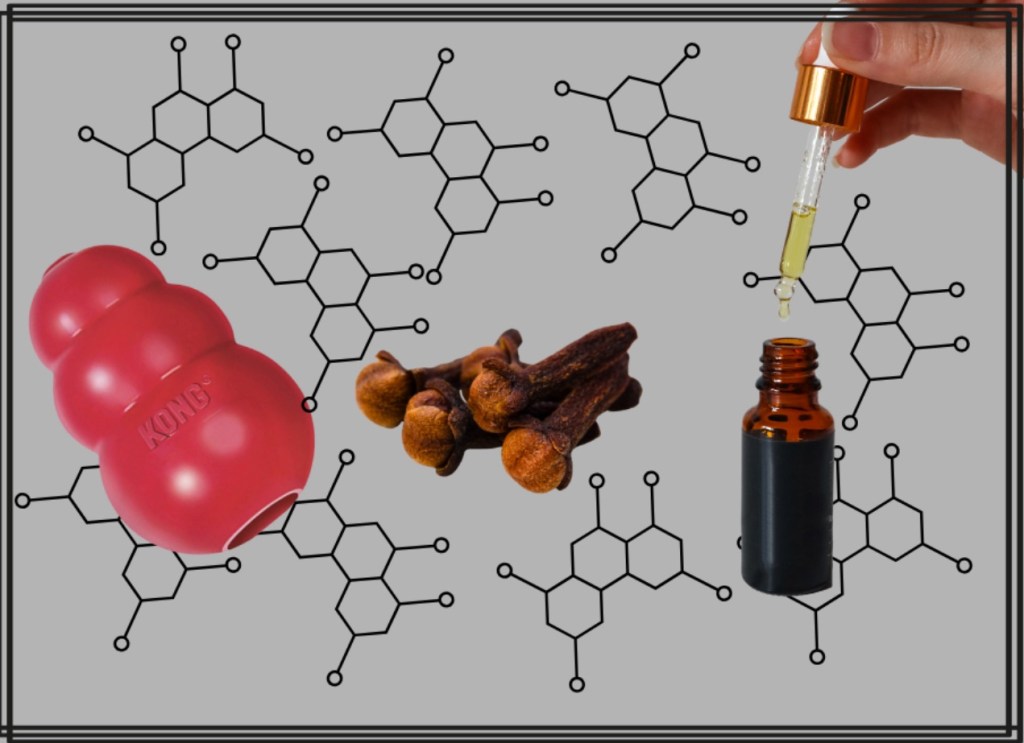
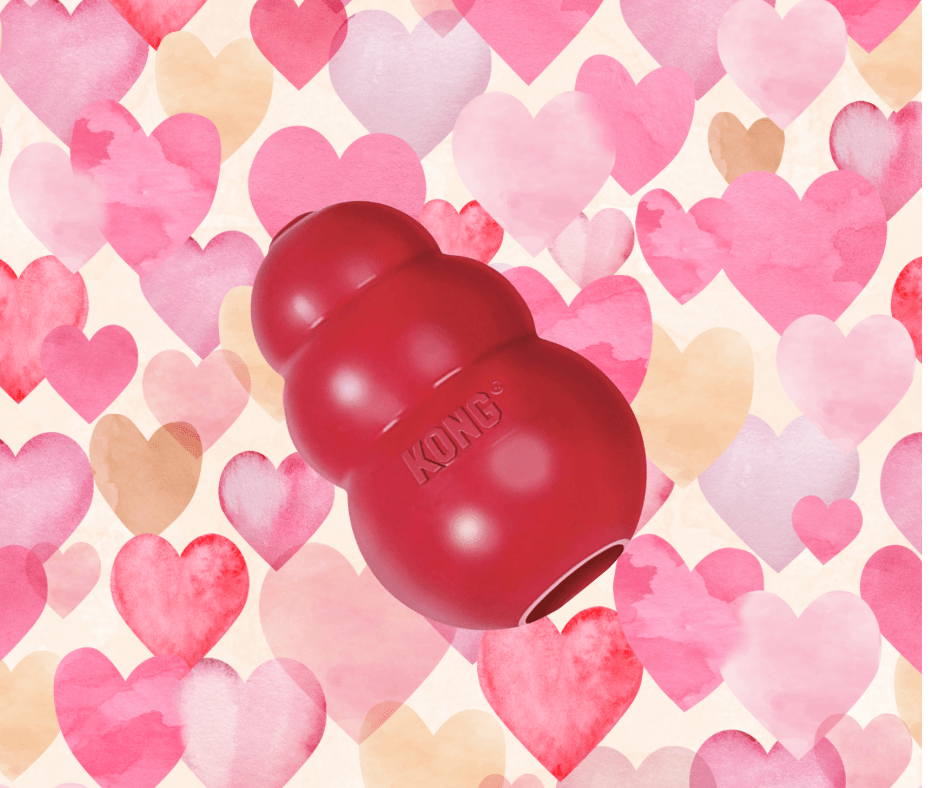
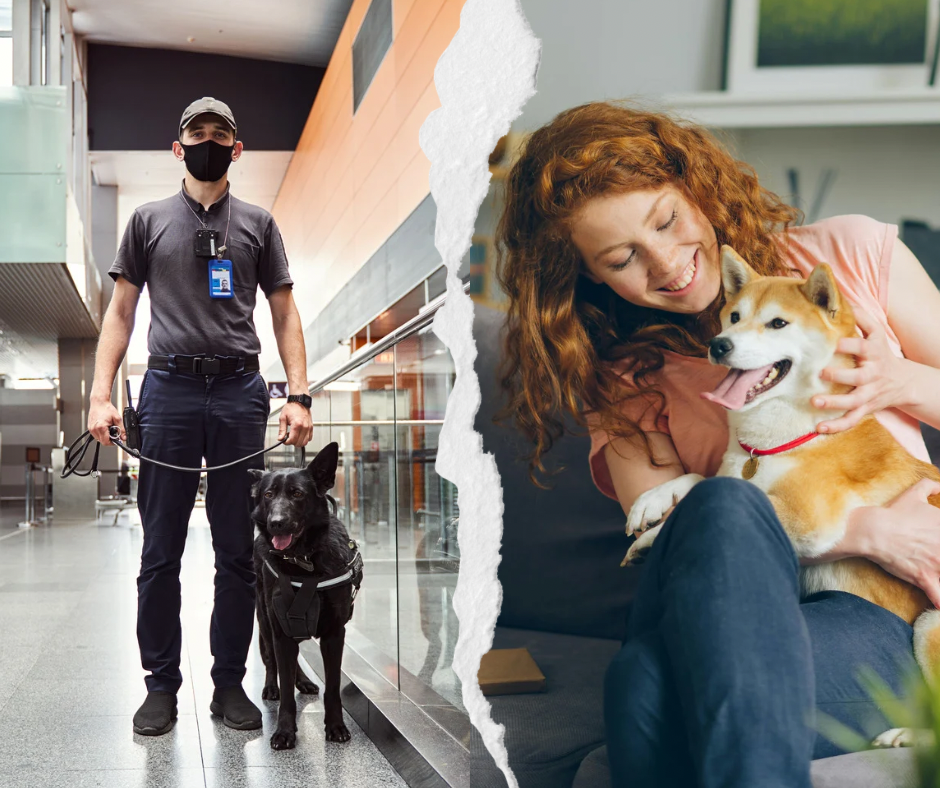
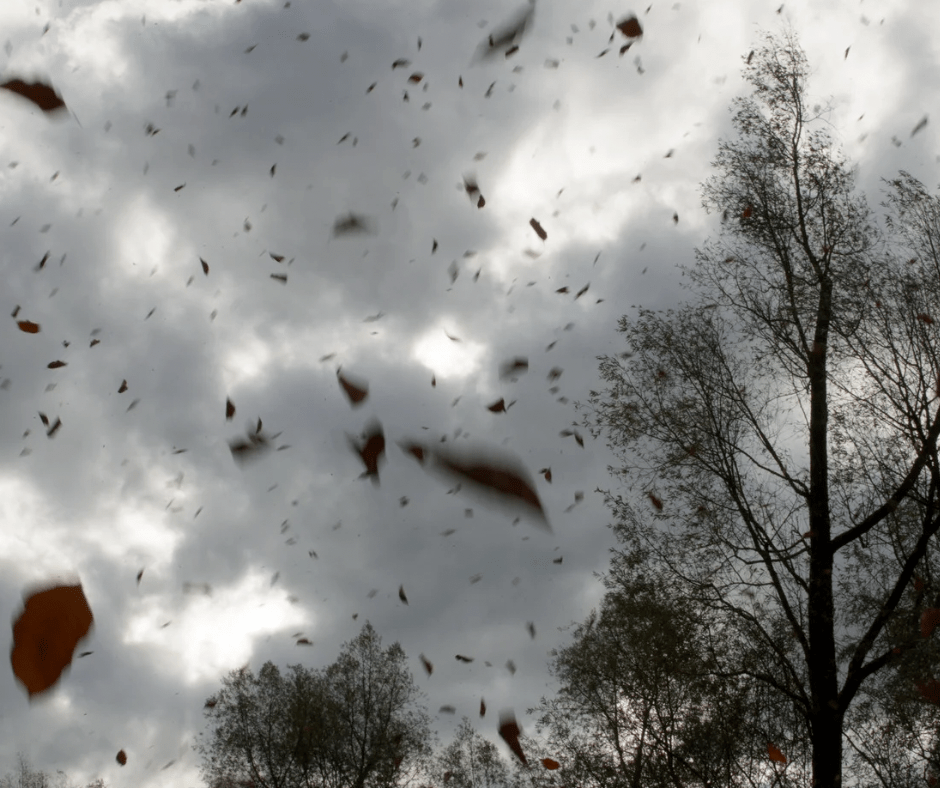
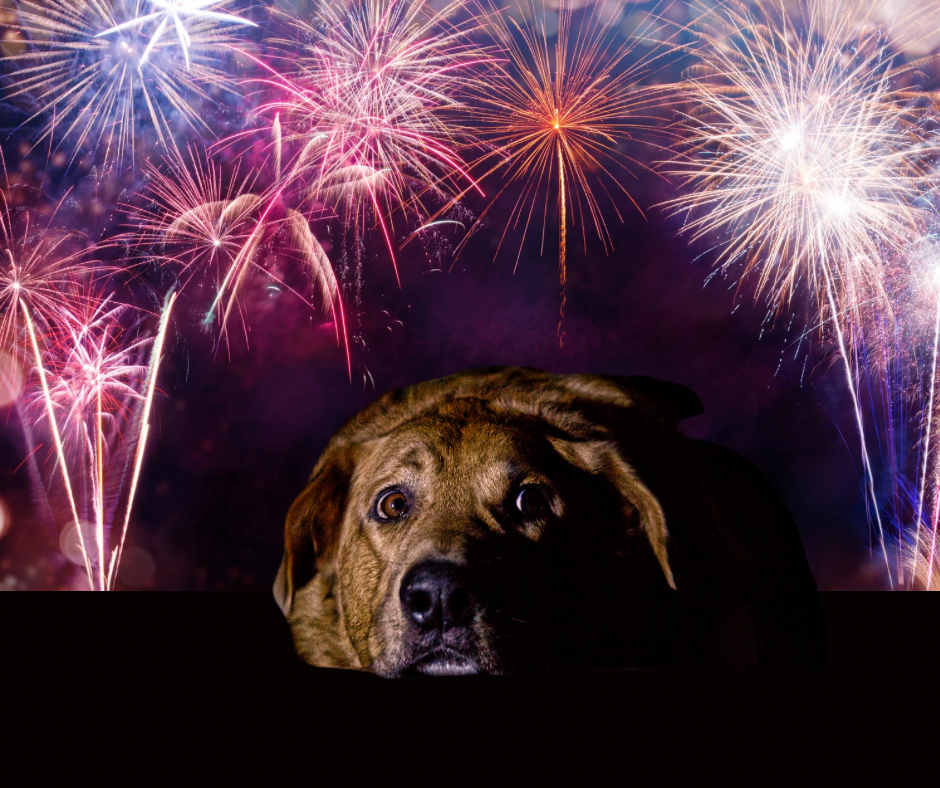

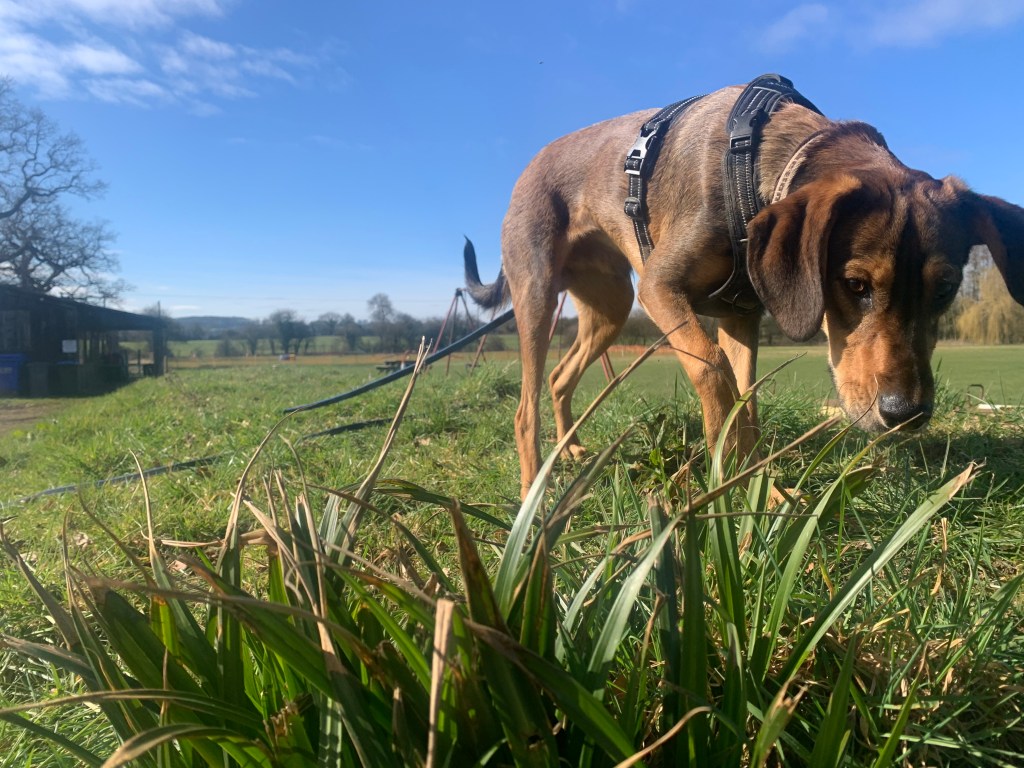


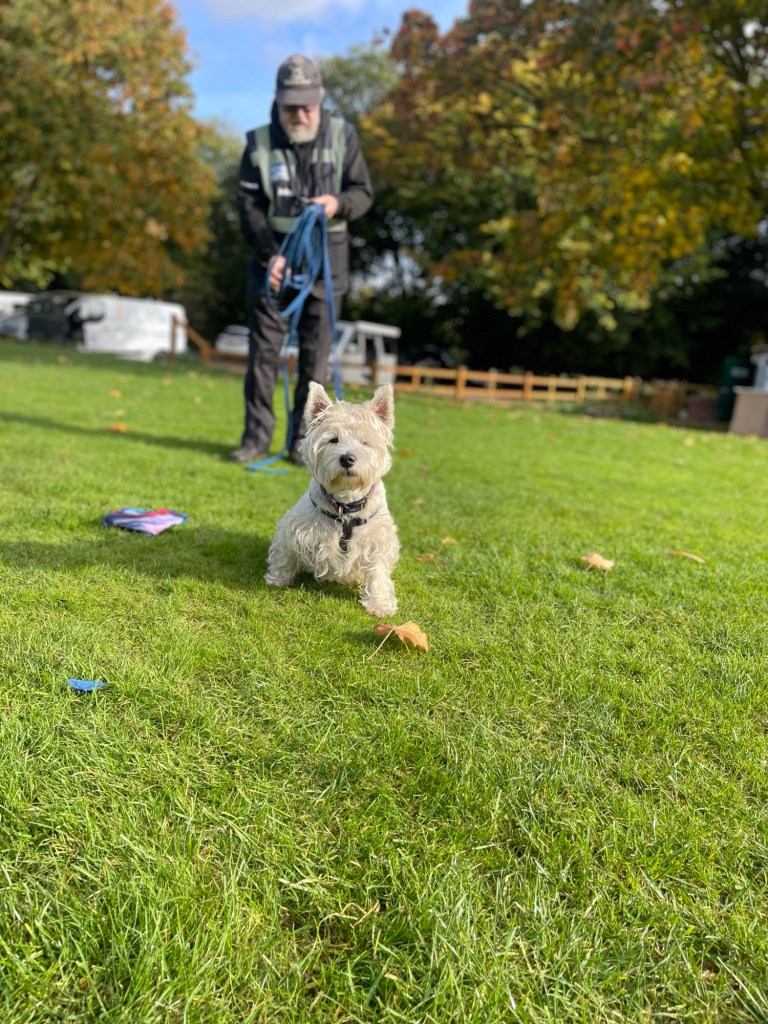

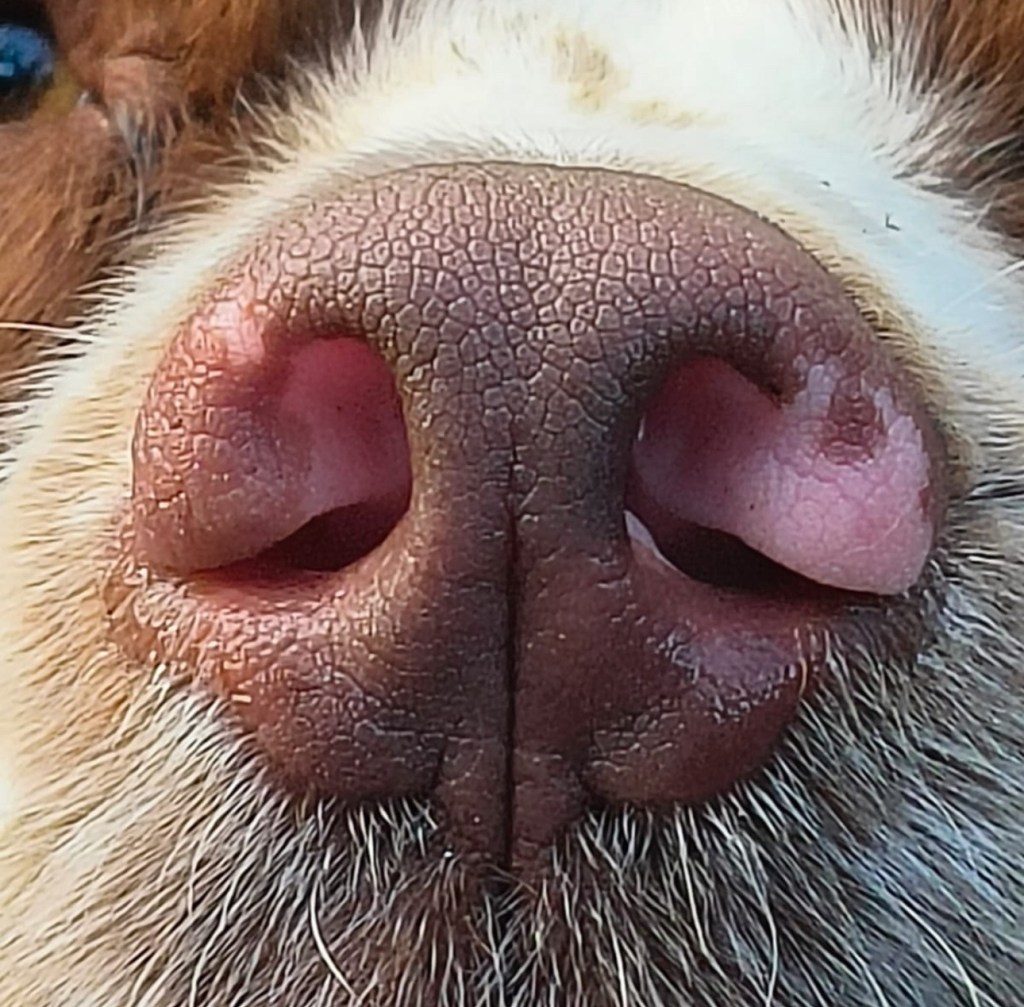

 UK SCENT SPORT