ManTrailing Dogs in Wind: How Strong Gusts Affect Scent

Learn how winds change scent trails, why it confuses pet dogs, and when handlers and instructors should adapt, support, or call it off.
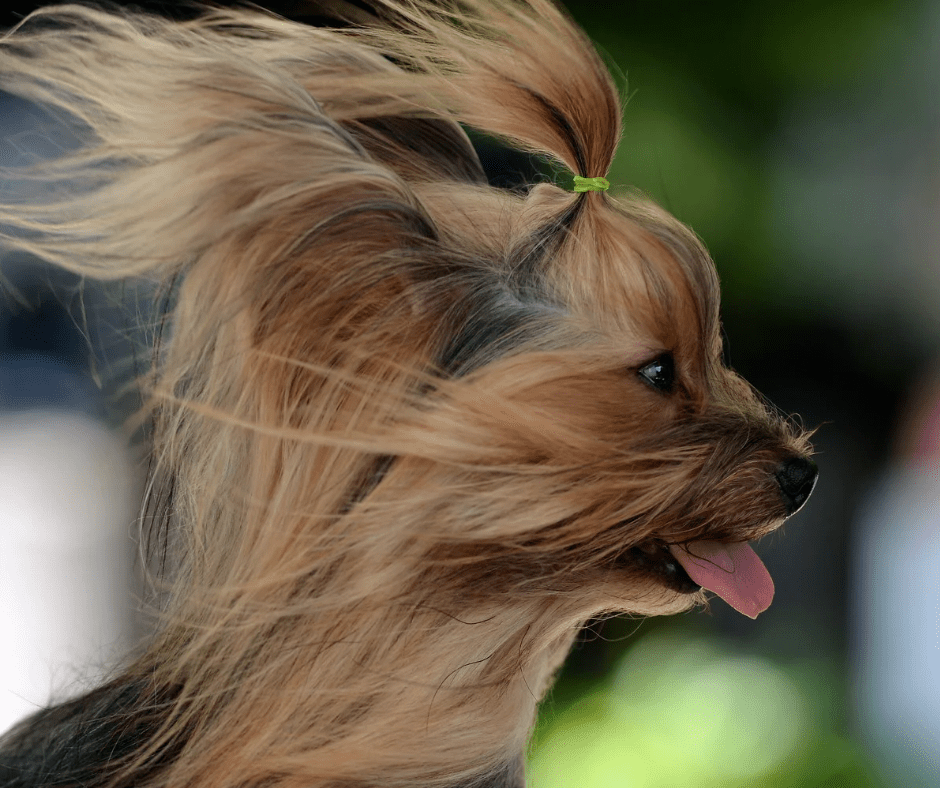
Trailing is already a thinking game for dogs. Add wind, and suddenly the neat, invisible ribbon of scent you imagined looks more like someone’s thrown a confetti cannon into a hurricane. At gusts, it isn’t just “harder” it’s a whole new environment. For new teams, for nervous dogs, and for handlers trying to make sense of it, strong wind can be a deal breaker.

So, let’s dig into what wind really does to scent, why some dogs hate the bluster, when it’s safe to try and when it’s best to pack up and have a cuppa instead.

The Science Bit 🤓What Wind Does to Scent

Scent doesn’t travel in a neat line down the pavement. Even on calm days it moves in plumes, swirls, and eddies. Add wind, and here’s what happens:

Turbulence shreds the plume: At high speeds, the scent breaks into filaments little pockets of scent separated by gaps of clean air (Celani et al., 2014). To a dog, it’s like reading a book with half the pages missing.

Dilution and lift: Wind whisks scent particles upward and outward, diluting them and carrying them metres (sometimes tens of metres) from the trail (Oklahoma State Extension, 2023). That’s why you’ll see dogs suddenly air-scenting or veering off what looks like “the line.”

Meandering & bending: Wind shifts direction constantly, causing scent to bend, twist, and even double back (Farrell et al., 2002). Dogs may pick up strong scent pockets that are nowhere near the actual path.

Intermittency = stop–start: Instead of a steady “signal,” dogs get bursts of odor followed by blanks. Many species (including dogs) respond with surge-and-cast behaviour: charge forward when scent is strong, then zig-zag crosswind when it drops out (Vergassola et al., 2007).

Why It’s Too Confusing for New Teams

The trail doesn’t “behave”. Beginners expect the dog to follow a line. Wind makes that impossible. Instead of smooth tracking, they see zig-zags, looping, overshooting, or suddenly lifting noses. Handler confidence tanks. New handlers think their dog is “wrong” rather than problem solving. That doubt feeds back to the dog, making the whole experience stressful.

Information overload. Both handler and dog are working much harder: the dog has to resample constantly, and the handler has to interpret subtle shifts.

Bottom line: strong wind isn’t fair on a green team. It’s like teaching someone to swim during a tidal wave.
Nervous Dogs and Wind

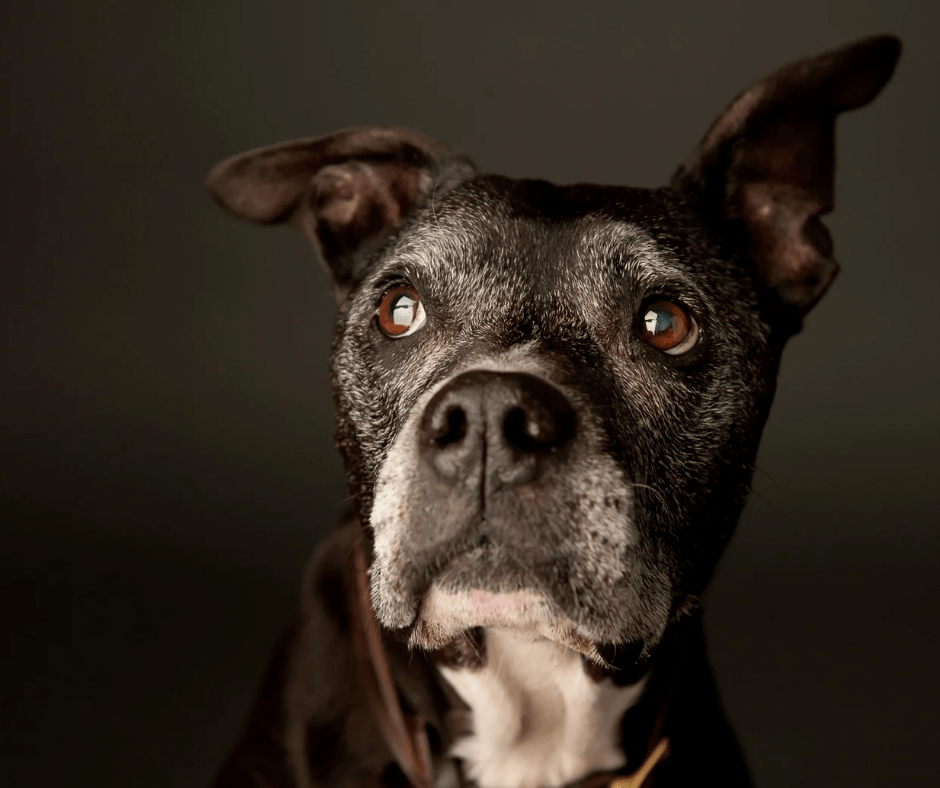
Wind doesn’t just scramble scent it changes the whole sensory environment. Many instructors (me included) use trailing to help nervous or reactive dogs build confidence. But wind throws in extra hurdles:

Sound distortion: Wind amplifies and carries noises in odd ways. A bin lid banging, branches creaking, or distant traffic can suddenly sound “close,” startling nervous dogs not just noise sensitive dogs. Visual movement: Flapping signs, blowing leaves, litter skittering down the road for anxious dogs, this constant motion is overwhelming.

Loss of smell security: Nervous dogs rely heavily on scent as an anchor. When wind scatters it, their “safety net” disappears. This can increase stress and make them abandon the search.

Some dogs simply don’t like the sensation of strong wind on their ears and body much like we find it exhausting to walk into a gale.

Dangers of Training in Strong Wind

Frustration: Dogs may become stressed when they can’t “solve” the trail, especially if they’re new or nervous.

Handler error: Confused handlers may unintentionally pressure dogs or misinterpret behaviours.

Physical risks: Flying debris, falling branches, or just being buffeted can make sessions unsafe.

How to Help Your Dog in Windy Conditions

Adjust expectations: Don’t demand “perfect” trailing.

Reward effort, not neatness.

Shorter trails: Keep trails short and achievable so the dog feels successful.

Pick locations wisely: Use sheltered areas (woods, hedgerows, behind buildings) to buffer gusts.

Watch body language: Look for signs of stress — tucked tail, scanning, abandoning the scent. That’s your cue to call it a day.

Build resilience gradually: Expose dogs to mild breezes before tackling storm-force gusts.

And sometimes the best advice is: don’t try at all. If the wind is dangerous or clearly overwhelming your dog, it’s kinder and more productive to postpone.

Trailing should build confidence, not chip away at it.

Think of it this way:

Calm day trailing = following a breadcrumb trail. Windy day trailing = trying to follow the smell of chips through a funfair while a leaf blower is strapped to your head.

No one enjoys that. Well… except maybe Dozer.
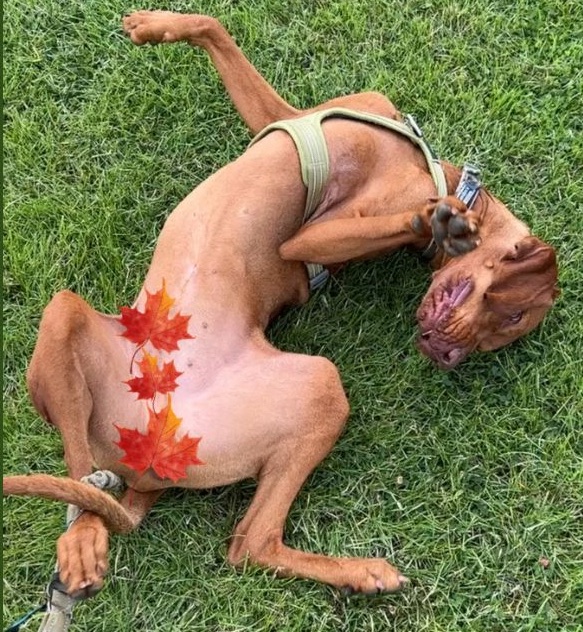
Wind is one of nature’s biggest curveballs in scent work. For experienced handlers and instructors, it can feel like an exciting test of adaptability and teamwork. But we must remember: our dogs are not operational, cherry-picked working dogs they’re pets learning a sport.

For new or nervous teams, strong wind can be overwhelming, confusing, and sometimes unsafe. This is where instructors and handlers alike need to check their egos. It isn’t about “proving” we can finish the trail. It’s about supporting the dog in front of us.

The best instructors and handlers know when to push on, when to adapt, and when to call it off. Because at the end of the day, the goal isn’t ticking a box it’s building confidence, problem solving skills, and the partnership between handler and dog. Sometimes the bravest, kindest choice is simply to wait for calmer skies.

At the end of the day, our dogs aren’t here to serve us, we’re here to support them. Think of yourself as your dog’s pit crew reading the conditions, adjusting the set up, stepping in when things get too tough, and cheering them on when they shine.

They don’t need to “prove” anything in a gale, and neither do we. That’s real teamwork, putting the dog first and making sure every trail, windy or calm, leaves them more confident than when they started.
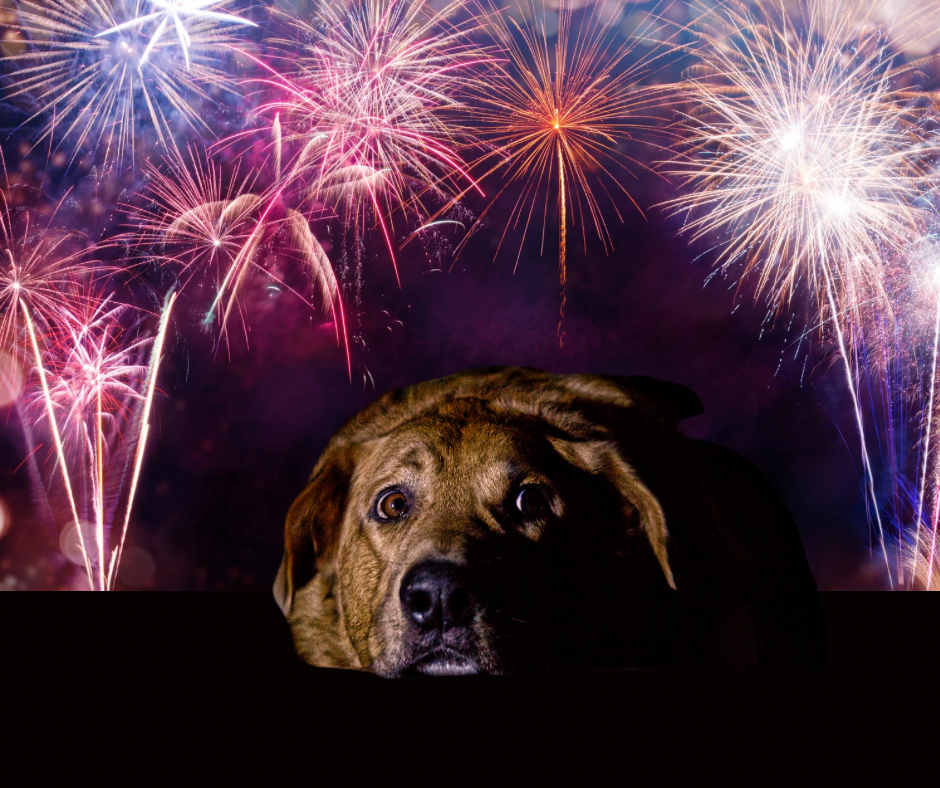

Fireworks and Dogs: Why the Sky Exploding Freaks Them Out (and How You Can Help)

It’s not just about training!!

Every year, the UK calendar is packed with firework nights Bonfire Night, New Year’s Eve, Diwali, summer festivals. For us, it’s a sparkle show. For dogs, it’s basically: “The world is ending, run for cover!”

And science backs this up: up to 50% of dogs show fear of fireworks and other loud noises (Tiira et al., 2016, Scientific Reports). The signs can range from trembling to chewing through doors in a desperate escape attempt. Not fun for them, not fun for you.

I hope this guide blends research, practical solutions, and a dash of humour to help you understand what’s going on in your dog’s head and what you can do to help.

Let’s start with why dogs are terrified of fireworks

1. Super-hearing = super awful

Dogs hear at much higher frequencies than humans (up to 65 kHz, compared to our 20 kHz). That “pop” you shrug at? To them, it’s like standing next to a cannon (Heffner, 1983, Behavioral and Neural Biology).

2. It’s not just noise

Yes, the bang is the main culprit, but fireworks are a multi-sensory nightmare:

Sudden bright flashes Vibrations in the ground and walls The chemical smell of smoke And crucially, unpredictability

Dogs don’t think “celebration.” They think “sky grenades.”

3. Surprise is everything

Thunder gives a build-up. Fireworks? Pure jump scare. Imagine Netflix turning your rom-com into a horror movie without warning.

4. Hardwired survival mode

Dogs evolved to react quickly to sudden loud noises in the wild, it could mean predators or danger. Their brain doesn’t know the difference between a predator and a Catherine wheel (Overall, 2013, Manual of Clinical Behavioral Medicine for Dogs and Cats).

5. Memory that won’t quit

One bad firework experience and your dog files it under “Never Forget.” Next time, a flash or bang triggers panic before the actual noise even starts.

How common is this, really

Multiple population studies put noise sensitivity at roughly 32 to 39 percent of dogs, with fireworks commonly named, and with notable co occurrence alongside other fears.

Noise vs flashes: what science says

Studies consistently show that noise is the number one trigger (Sherman & Mills, 2008, Journal of Veterinary Behavior). Dogs are most distressed by the loud, sudden, unpredictable bangs.

But flashes, smells, and vibrations make things worse. Some dogs even learn to anticipate the bang after the flash cue more stress before the sound arrives. It’s rarely one or the other; it’s usually both working together to overwhelm your dog’s senses.

So what fear looks like in dogs

Signs vary, but common ones include:

Trembling, panting, drooling Ears pinned back, tail tucked Hiding or clinging Barking, whining, howling Refusing food Escape attempts (scratching, chewing, bolting)

At its worst, dogs can injure themselves or develop long-term noise phobias (Blackwell et al., 2013, Applied Animal Behaviour Science).

The science of what works (and what doesn’t)

Research has actually compared different strategies. Here’s the breakdown (Riemer, 2020, Journal of Veterinary Behavior):

✔ Counterconditioning (bang = treat) – effective for 70%+ of dogs

✔ Desensitisation (gradual noise exposure) – works long-term if started early

✔ Relaxation training – helps dogs cope better in stressful moments

✔ Safe zones & sound masking – reduce stress load

✔ Pressure wraps (ThunderShirt) – mixed results, helps some dogs

✔ Medication (vet-prescribed) – very effective in severe cases

⚠ Herbal remedies, supplements, pheromone sprays – mixed or weak evidence. They may help mild cases, but they’re not a magic bullet.

Key principles science, and no myths!!

Fear is an emotion, not a trick When your dog is shaking, panting, and hiding under the table, they are not “being naughty” or “trying it on.” Fear is an emotional response driven by the limbic system, not a conscious choice. You cannot “reinforce” fear by offering comfort or food any more than you can make someone more terrified of spiders by giving them chocolate or a hug after they scream. Blackwell et al. (2013) and Sherman & Mills (2008) both emphasise noise fears as emotional states requiring support, not punishment. In Riemer (2020), owner reports showed counterconditioning literally feeding after bangs was one of the most effective strategies.

If food could reinforce fear, every time you handed someone popcorn during a horror movie, they’d become more terrified. Spoiler, they don’t.

Thresholds matter Dogs can only learn when they are under threshold. Once your dog is trembling so much they cannot eat, the learning train has left the station. You can’t do algebra on a rollercoaster. At that point, comfort, safety, and possibly medication are the only ethical options. Riemer (2023) stresses that desensitisation and counterconditioning must happen at levels that do not elicit panic.

Early practice changes brains Counterconditioning needs to start before the big bangs. Use TV recordings of fireworks, playlists on YouTube, or even video clips with both flash and sound. Start so low your dog barely notices, pair with treats, play, or calm petting. Slowly increase volume and intensity. Pavlov 101: Classical conditioning works by changing associations, not by bribing behaviour.

Think of it like chilli sauce. Start with mild salsa, not ghost peppers. Otherwise you end up with tears, snot, and regrets!

Comfort is not a crime Comforting a fearful dog does not make them “weaker.” Studies show dogs seek social support from humans in stressful situations, and our calm presence can reduce stress hormone levels (Mariti et al., 2012, Physiology & Behavior). You are their safe person. Be safe.

If your best friend is having a meltdown and you hand them a cup of tea, you don’t make them more likely to meltdown tomorrow. You just stop them from burning the house down tonight. Same with dogs.

Our three-stage survival plan

Stage 1: Prep (weeks before)

Build a safe zone Quiet room, blackout curtains, comfy bedding, white noise. Think luxury bunker, not prison cell. The more your dog learns to relax here in everyday life, the more effective it will be when fireworks kick off. Desensitisation & counterconditioning Firework playlist on whisper volume, food for calm behaviour, then slowly increasing over days or weeks.

Research shows counterconditioning (bang = treat/chicken) works in over 70% of cases (Riemer 2020). Humour note: Training during fireworks is not “surprise algebra,” it’s “tiny maths problems with sweets as prizes.” Keep it small and sweet. Relaxation cue Teach your dog to settle on a mat with a calm word. It sounds twee, but research backs this up (Riemer 2020 69% owner-reported effectiveness).

Think yoga class, but with fewer leggings and more liver treats. Introduce calming aids early ThunderShirts, Adaptil diffusers, Zylkene supplements. Introduce them during chill times, not five minutes before the sky explodes.

Logistics Walk and feed before dark, check ID tags, update microchips, and for dogs who go nuclear, get vet-prescribed medication ahead of time. Trial it on a quiet night so you don’t discover side effects mid-finale.

Stage 2: During the fireworks

Stay calm yourself Dogs read our body language and emotions. If you’re leaping around yelling “IT’S OKAY, IT’S OKAY,” your dog will think you’ve lost the plot. Breathe, sit, and be boringly calm. Allow hiding Don’t drag them from their den. Hiding is a natural coping strategy. They are not being “antisocial,” they are being smart survivalists. Use counterconditioning, if possible If your dog is calm enough to eat, use “bang = cheese.” Research says this shifts emotional responses over time (Riemer 2020).

If your dog won’t eat, stop trying. At that point, the brain is in panic mode and learning is paused.

Trying to train when your dog is over threshold is like handing someone a sandwich mid-bungee jump. Nice thought, wrong timing.

Distract before with enrichment Puzzle feeders, stuffed Kongs, lick mats. The act of licking and chewing activates calming pathways in the brain (Horowitz et al., 2019). Mask the noise Classical music, white noise, or TV can reduce the starkness of bangs (Kogan et al., 2012). Medication if needed For dogs that melt down, this is not failure, it’s welfare. Research shows medication is effective and humane when fears are severe (Sherman & Mills, 2008).

Stage 3: After

Recovery time

When the bangs finally stop, your dog’s body doesn’t flick a switch back to calm. During fireworks their system floods with adrenaline (for immediate fight or flight) and cortisol (the stress hormone that lingers). Adrenaline burns off within minutes to hours, but cortisol can stay elevated for up to 48–72 hours in dogs, which means their brain and body may not return to homeostasis (normal balance) straight away. Some dogs shake it off quickly, others need a couple of quiet days to reset. During this period, keep routines predictable, avoid extra stressors, and add gentle, sniffy walks that allow decompression without pressure.

Review what worked

Once your dog is calmer, take stock. Did they eat? Did the safe zone help? Did enrichment hold their attention? Make notes now so you can refine your plan for next year instead of winging it again when rockets start flying.

Seek help if it’s escalating

If your dog isn’t bouncing back, or each year seems worse, that’s your sign to get support. Early intervention prevents entrenched noise phobias. Reward-based behaviourists and vets can help design tailored plans and if medication is needed, it’s a welfare tool, not a failure.

Think of it like your dog had a wild night out they never wanted. While you’re ready to move on, their brain chemistry is still hungover. Dim the lights, keep things chill, and don’t invite them to karaoke just yet.

Final word

Fireworks won’t go away, but fear doesn’t have to rule your dog’s life. The recipe is simple: start early, stay calm, use science, and ignore old myths.

Your dog is not being dramatic. To them, fireworks are sky grenades, alien lasers, and smoke bombs rolled into one. Their logic is simple: bunker down until the world stops exploding. Our job is to help them feel safe, build new positive associations, and have medical backup when needed.

How to Help a Nervous Rescue Dog Adjust to Its New Home with Force-Free Training

Bringing home a rescue dog is an incredibly rewarding experience, but let’s be honest sometimes it feels like you’ve just adopted a furry little question mark. One minute they’re cautiously sniffing around, and the next, they’re hiding behind the couch like it’s a zombie apocalypse. If your new pup is on the nervous side, don’t worry force-free training, tapping into the natural desires and patience can work wonders.

Meet Goose – My Own Rescue Success Story

Before we start, let me introduce you to Goose, my own rescue dog. When Goose first arrived, he was anxious and unsure of his new surroundings. With patience, positive reinforcement, and force-free training, he slowly blossomed into the confident (so of the time) and loving companion he is today. His journey inspired me to help other dogs adjust and thrive, which is a large part of the work DogHampton in Northamptonshire do, we are dedicated to force-free training and helping dogs build trust with their humans.

Once Goose had settled, we introduced track trailing as a way to build his confidence. This safe, on-lead activity allowed him to tap into his natural instincts to hunt and follow scents while giving him a structured way to engage with the world around him. Since he was securely on a lead, we didn’t have to worry about his lack of recall, and he absolutely thrived with this newfound job! Watching him follow a trail with excitement and determination was a game-changer in his journey toward confidence.

Step 1: Give Them Time to Decompress

Imagine you just moved to a foreign country where you don’t speak the language, the food is weird, and the locals (that’s you) keep staring at you expectantly. Overwhelming, right? That’s exactly how your rescue dog feels.

  • Create a quiet, cozy space where they can retreat.
  • Keep introductions slow—let them come to you instead of overwhelming them with affection.
  • Stick to a consistent routine to build a sense of security.

Step 2: Build Trust with Positive Reinforcement

Force-free training is the gold standard for gaining a nervous rescue dog’s trust. This means no yelling, no harsh corrections, and definitely no dominance-based techniques. Instead, let’s bribe I mean, motivate them with tasty rewards and praise.

  • Use high-value treats (think chicken, cheese, or whatever makes their tail wag like a propeller).
  • Mark and reward calm behaviours if they sit or make eye contact, praise them.
  • Respect their space forcing interaction can backfire. Let them approach you in their own time.

Step 3: Teach Basic Cues at Home

So, what’s the best way to train my dog at home? Short, positive sessions in a quiet environment. Nervous dogs thrive when they understand what’s expected of them, so start with simple cues.

  • Sit and Down – These give your dog something to focus on besides their worries.
  • Touch (target training) – Encourages engagement in a non-threatening way.
  • Mat training – Teaches them that their bed is a safe, rewarding place.

Step 4: Socialisation—At Their Pace

Rescue dogs often have a history, and we don’t always know the full story. That’s why socialisation should be gentle and gradual.

  • Start with low-distraction environments before heading to busier places.
  • Let them observe from a distance before encouraging interaction.
  • Keep interactions with other dogs and people short and positive.

Step 5: Addressing Fear-Based Behaviours

If your dog reacts nervously (barking, cowering, freezing), resist the urge to punish them. Instead:

  • Identify triggers and work on desensitisation.
  • Allow them to retreat from the trigger, build trust and become your dogs ‘safe space’.
  • Pair scary things with rewards (e.g., if they’re scared of the vacuum, give treats when it’s off and gradually when it’s on).
  • Use calming tools like snuffle mats, lick mats, or anxiety wraps.
  • Timing is crucial, contact a professional to help

Step 6: Be Patient, Celebrate Small Wins

Progress won’t always be linear some days, your dog will feel brave, and others, they might regress. That’s totally normal! Celebrate the small victories, whether it’s the first tail wag or finally venturing into the kitchen without hesitation.

Final Thoughts

Learning how to train a rescue dog isn’t about quick fixes it’s about building trust, confidence, and a lasting bond. Force-free training ensures they feel safe while learning the ropes of their new life. With patience, love, and a little humour, your rescue dog will go from nervous newbie to confident companion in no time!

Bonus Tip: If you’re feeling stuck, consider working with a force-free trainer who can offer guidance tailored to your dog’s unique needs. If you’re in Northamptonshire, DogHampton is here to help, just like we helped Goose!🐾

Building Drive in Pet Dogs: The Foundation of Successful Training

When it comes to training dogs, one of the first things we focus on is building drive. Drive is a dog’s natural motivation and enthusiasm to work, solve problems, and engage with their environment. Whether you’re teaching a fun search game, basic obedience, or building confidence, drive is the key to creating a dog that’s excited to learn and play.

Why Drive Matters

Drive isn’t just about energy or excitement it’s about motivation. Dogs with drive are:

• Focused and Engaged: They stay tuned into the task at hand, even in challenging environments.

• Confident and Resilient: A motivated dog will happily face new challenges without fear.

• Enriched and Fulfilled: Training that taps into their natural instincts provides vital mental stimulation.

Without drive, training can feel like a chore to your dog. With it, every task becomes a game they’re eager to play.

The Science of Drive

Drive taps into a dog’s natural instincts, such as hunting or sniffing, which are hardwired into their behavior. Searching and problem-solving activate the dopamine system in a dog’s brain, releasing feel-good chemicals that make the act of searching inherently rewarding.

By pairing these natural behaviors with high-value rewards like food, toys, or games you condition your dog to love the process of learning. This creates a dog that’s not only motivated to work but enjoys every moment of it.

How We Build Drive in Pet Dogs

We always start by building drive because it lays the foundation for success in training. Whether it’s through food, toys, or a combination of both, the goal is to make learning exciting and rewarding.

One of our favorite tools is the Kong, and here’s why:

• Interactive Play: Toss it, hide it, or stuff it with treats it’s endlessly engaging for dogs.

• Reinforcing the Search: Using a Kong in search games helps reinforce a dog’s natural instincts to sniff and hunt.

• Play as Reward: After finding the Kong, a quick game of tug or chase adds another layer of fun, keeping the dog motivated and ready for more.

The Handler’s Role

As the handler, your role is crucial in building drive. How you engage with your dog can make or break their motivation.

• Be enthusiastic and celebrate every success.

• Use high-value rewards that your dog loves—whether it’s treats, toys, or play.

• Keep sessions short, fun, and pressure-free to maintain their excitement.

Drive: The Key to a Strong Bond

Building drive isn’t just about training—it’s about strengthening the bond between you and your dog. When you tap into their natural instincts and make learning a rewarding experience, you create a partnership that’s based on trust, fun, and mutual understanding.

Whether you’re using food, toys, or a Kong, building drive transforms training from a task into a game. And when training feels like a game, both you and your dog will love every moment of it.

What’s your dog’s favorite way to play or learn? Share your experiences with us we’d love to hear!

#DogTraining #BuildingDrive #PositiveReinforcement #KongFun

Fireworks and Dogs

Helping Your Dog Cope with Noise Stress

Fireworks might be a festive highlight for us, but for our dogs, they can be an overwhelming and terrifying experience. Many dogs struggle with the loud, unpredictable bangs and flashes, triggering stress responses that can have lasting effects. In this blog, we’ll explore the science behind your dog’s reactions, how stress hormones like cortisol impact their behavior, and practical steps you can take to prepare them for future events.

The Role of Cortisol in Stress

When a dog is exposed to something they perceive as a threat like the sudden noise of fireworks their body releases cortisol, often called the “stress hormone.” While this is a natural response designed to help them cope with immediate danger, prolonged or repeated exposure to stress can lead to heightened cortisol levels, which take up to 72 hours to return to baseline.

Why Does This Matter?

Elevated cortisol levels can:

• Affect behavior: Dogs may become more anxious, reactive, or display avoidance behaviors long after the event.

• Impact health: Chronic stress weakens the immune system, making dogs more susceptible to illness.

• Create a cycle: If a dog learns to associate certain cues (like dark evenings or flashing lights) with the stress of fireworks, their anxiety may escalate each time.

Understanding how cortisol works highlights why it’s essential to support your dog during stressful events like fireworks and, ideally, take steps to reduce their exposure or help them cope.

Behavioral Issues Caused by Fireworks Stress

The effects of fireworks don’t always disappear once the noise stops. Many dogs develop lasting behavioral challenges, including:

• Noise sensitivity: An increased fear of other sounds, like thunder or household noises.

• Separation anxiety:Fireworks can heighten a dog’s general anxiety, making them more dependent on their owner.

• Generalised anxiety: Some dogs may start to feel unsafe even in everyday situations.

• Aggression or reactivity:Stress can lower a dog’s tolerance threshold, leading to snapping or growling in situations where they’d usually remain calm.

Counterconditioning and Preparing for Next Time

Counterconditioning can help some dogs develop a more positive response to loud noises. However, it’s not a one-size-fits-all solution, and some dogs may continue to struggle despite your efforts. Here’s how counterconditioning works and how you can start:

What is Counterconditioning?

Counterconditioning involves pairing the stressful stimulus (e.g., fireworks sounds) with something your dog loves, like tasty treats or play. Over time, the goal is to change their emotional response from fear to neutrality or even positivity.

How to Start

1. Introduce sounds gradually: Begin with a recording of fireworks at a very low volume.

2. Pair it with rewards: Give your dog high-value treats, a favorite toy, or playtime while the sound plays.

3. Increase intensity slowly:Only increase the volume once your dog remains relaxed at the current level.

4. Be patient: This process can take weeks or even months, and you must go at your dog’s pace.

Limitations

• Not every dog responds:Some dogs’ fear may be too deeply ingrained or tied to other anxiety issues.

• Real-life fireworks are different: The unpredictable nature of real fireworks can make it difficult to replicate the experience.

Other Ways to Help Your Dog Cope

If counterconditioning isn’t effective or practical, there are other strategies to support your dog:

Short-Term Solutions

• Create a safe space: Set up a quiet area with their favorite bed, toys, and blankets.

• Use white noise or music:This can help mask the sound of fireworks.

• Try anxiety wraps or coats:Products like Thundershirts can provide a calming effect through gentle pressure.

• Pheromone diffusers:Products like Adaptil mimic calming scents that dogs associate with safety.

Long-Term Preparation

• Desensitisation training:Similar to counterconditioning but focused on reducing the intensity of their fear response over time.

• Veterinary support: In severe cases, speak to your vet about medications or supplements that can help reduce anxiety.

Why Perseverance is Key

While counterconditioning and desensitisation can take time and effort, even small improvements can significantly impact your dog’s well-being. However, it’s also important to recognise that some dogs may always struggle with fireworks, and that’s okay. Your role is to support them with compassion and understanding, making each experience as manageable as possible.

Takeaway: Progress Over Perfection

Fireworks and other loud noises can be a significant challenge for many dogs, but understanding the science behind their stress and the options for helping them can make a difference. Whether you focus on creating a safe space, trying counterconditioning, or seeking professional help, your efforts will show your dog that they can rely on you when they need it most.

Remember: Every dog is different, and there’s no one-size-fits-all solution. Be patient, adapt your approach as needed, and celebrate even the smallest steps forward. Together, you and your dog can face the New Year with confidence!

What is Mantrailing ?

By Susanne Broughton

Mantrailing, the practice of using a dog’s extraordinary sense of smell to locate a specific person by following their unique scent trail, it has evolved from an essential tool for search and rescue to an exciting activity for pet owners. While professional mantrailing is widely known in fields like law enforcement and search and rescue operations, pet mantrailing allows regular dog owners to tap into their dogs’ innate abilities, turning it into a stimulating and fun exercise.

The Science Behind Mantrailing

Mantrailing is based on the fact that humans constantly shed skin cells, sweat, and other tiny particles that contain our individual scent profile. These scent particles, called rafts, float through the air and settle on the ground, creating a trail that a dog’s acute sense of smell can detect and follow.

Dogs have one of the most powerful olfactory systems in the animal kingdom, with 200 to 300 million scent receptors, compared to a human’s mere 5 million. Additionally, the part of a dog’s brain dedicated to processing smells is 40 times larger than in humans, enabling them to identify individual scents in a highly complex scent environment. This means that dogs can follow a specific person’s trail even in places where other humans or animals have been, and over various terrains such as forests, fields, and urban environments.

When a dog engages in mantrailing, it works by distinguishing the specific scent of the target person from all other smells in the environment. Dogs trained in mantrailing can follow these scent particles even hours or days after the person has passed through an area, as long as the environmental conditions such as wind, temperature, and humidity have not completely dispersed the scent.

The Origins of Mantrailing

Mantrailing as a practice has roots in early human history, but it became formalised as a technique in the 19th century. Bloodhounds, with their highly developed sense of smell, were used extensively in Europe for tracking escaped prisoners and lost individuals. Their natural tracking abilities made them highly effective in law enforcement and rescue missions.

One of the earliest recorded uses of mantrailing in a professional capacity was in Scotland in the 1800s, where Bloodhounds were employed to trail criminals. Around the same time, in the United States, Bloodhounds were famously used to track runaway slaves and later criminals. The technique spread rapidly across the world, becoming an essential tool in police work and search and rescue efforts.

Over time, other breeds, including German Shepherds, Belgian Malinois, and Labrador Retrievers, have been trained for mantrailing due to their strong scent detection abilities and intelligence. In recent years, mantrailing has moved beyond law enforcement and search and rescue to become a popular sport and recreational activity for pet owners.

Sport Mantrailing: A Modern Twist on an Ancient Skill

In sport mantrailing, regular pet dogs, rather than professional working dogs are trained to follow a specific human scent for recreational purposes. This form of mantrailing harnesses a dog’s natural scent-tracking instincts and channels them into an enjoyable and mentally stimulating activity.

While sport mantrailing is grounded in the same principles as professional mantrailing, it is often less formal and rigorous. Instead of searching for missing persons, dogs in pet mantrailing typically follow the scent of person just hiding. Sport mantrailing has become popular in Europe, particularly in Germany and the United Kingdom, where organised clubs and training courses have sprung up to teach dogs and their owners how to engage in the activity.

The Training Process

Training a dog for pet mantrailing starts with introducing the dog to a scent article, such as a piece of clothing that has been worn by the target person. The scent article contains the specific odour particles that the dog will be tasked with following. The dog then learns to search for the person who left the scent, starting with short, simple trails and gradually progressing to longer and more complex ones.

The key to successful mantrailing lies in a positive reinforcement training approach. Dogs are rewarded with treats, toys, or praise when they successfully locate the person they are trailing. This motivates them to engage in the activity with enthusiasm and improves their scent discrimination abilities.

Benefits of Sport Mantrailing

Sport mantrailing provides numerous benefits for both dogs and their owners:

  1. Mental Stimulation: Dogs need mental challenges to stay happy and healthy, and mantrailing offers a perfect way to engage their brain. The process of searching for and following a scent requires intense focus, which helps tire them out mentally.
  2. Physical Exercise: In addition to engaging a dog’s brain, mantrailing also provides physical exercise, as the dog has to move through different environments, sometimes at a fast pace, while following the scent trail.
  3. Strengthens the Dog-Owner Bond: Mantrailing is a cooperative activity between the dog and its handler. It fosters a strong sense of teamwork, as the dog learns to rely on its handler’s cues while the handler learns to trust the dog’s scent detection abilities.
  4. Confidence Building: Mantrailing can boost a dog’s confidence, particularly for shy or anxious dogs. Successfully finding the person at the end of the trail gives dogs a sense of accomplishment and encourages them to rely on their natural instincts.
  5. All Breeds Can Participate: While professional mantrailing often focuses on breeds known for their scenting abilities (like Bloodhounds or German Shepherds), pet mantrailing is open to all breeds and sizes. From small terriers to large retrievers, any dog can enjoy mantrailing with the right training.

The Role of Scent and Environmental Factors

While dogs’ noses are incredibly powerful, the environment plays a significant role in their mantrailing success. Factors like wind direction, humidity, temperature, and the presence of other animals can influence how a dog follows a trail.

  • Wind can carry scent particles over long distances, helping or hindering a dog’s ability to detect the trail. A light breeze can help spread the scent in a way that is easier for the dog to follow, while strong winds may scatter scent particles in multiple directions, making the trail more challenging.
  • Humidity helps to preserve scent particles in the environment, making it easier for dogs to follow older trails. Dry conditions, on the other hand, can cause the scent to dissipate more quickly.
  • Temperature also impacts scent detection. Cooler temperatures tend to preserve scent longer, while hotter conditions can cause scent particles to rise and disperse more quickly.

Understanding these environmental factors is crucial for pet owners who want to engage in mantrailing, as it helps them work with their dog more effectively.

Summary

Sport mantrailing is a fascinating and enriching activity that allows dogs to use their natural abilities while providing physical and mental stimulation. Rooted in centuries of professional use, the modern adaptation of mantrailing for pets opens up new possibilities for dog owners to bond with their pets and engage in a fun, team-based activity. From its origins in law enforcement and search and rescue to its current role as a recreational activity for dog lovers worldwide, mantrailing continues to showcase the extraordinary capabilities of canine olfaction, offering benefits for both dogs and humans alike.

Mantrailing Dogs Human VOCs


Based on the research of Lauryn DeGreeff

Mantrailing dogs have long been recognised for their remarkable ability to track human scent over long distances and diverse environments. The core of this ability lies in their sensitivity to volatile organic compounds (VOCs), which are emitted by the human body. Lauryn DeGreeff’s research delves into the chemistry of these VOCs and how they are transported through the environment, providing essential insights into the mechanics of canine olfactory tracking.

The Chemistry of Human VOCs

Human bodies constantly emit a variety of volatile organic compounds through processes such as sweating, respiration, and natural skin exfoliation. These VOCs include acids, alcohols, ketones, and aldehydes, which form a unique olfactory signature detectable by dogs. As DeGreeff’s research reveals, each person’s scent profile is distinct, influenced by genetics, diet, health, and environment. This makes it possible for mantrailing dogs to follow the specific scent of an individual despite competing odors in the environment.

To better understand this, DeGreeff employs headspace sampling and gas chromatography-mass spectrometry (GC-MS) to analyse the chemical composition of human scent. Through this approach, she has identified key VOCs that play a critical role in helping dogs distinguish human odor from background smells.

Vapor Transport Mechanics: How Human Scent Moves Through the Air

Once human VOCs are emitted from the body, they are carried into the environment through a process known as vapor transport. Vapor transport mechanics refer to how volatile compounds behave once they leave their source, in this case, the human body. Several key factors influence how these VOCs move through the air and are detected by dogs.

Temperature

Temperature significantly impacts vapor transport. Higher temperatures can cause human VOCs to evaporate more rapidly, enhancing the scent’s strength and making it easier for dogs to detect in the immediate vicinity. However, this also means that the scent may dissipate more quickly, becoming harder to follow over long distances. Conversely, in cooler temperatures, VOCs may evaporate more slowly but remain closer to the ground, allowing a more sustained scent trail for tracking.

Humidity

Humidity levels influence how long VOCs remain suspended in the air. In high-humidity environments, water vapor can trap VOCs, creating a “cloud” of scent that lingers close to the ground, which is ideal for dogs following a trail. On the other hand, in dry conditions, VOCs are more likely to dissipate quickly, reducing the overall strength of the scent trail.

Wind and Air Currents

Air movement, including wind speed and direction, plays a significant role in the distribution of VOCs. Strong winds can spread scent molecules over a broader area, forcing dogs to use cross-wind search patterns to locate the source of the scent. DeGreeff’s research indicates that experienced dogs are adept at compensating for such environmental factors, adjusting their search strategies to relocate dispersed VOCs.

Surface Interaction

The surface on which a person walks also affects how VOCs are deposited and re-released into the air. For example, porous surfaces like grass and dirt can absorb VOCs, slowly releasing them over time, which creates a more persistent scent trail. In contrast, harder surfaces such as concrete or asphalt may retain less scent, making tracking more difficult for the dog. DeGreeff’s research shows that dogs can still detect residual scents on such surfaces, though it often requires more effort and skill.

How Mantrailing Dogs Detect and Follow Human Scent

Mantrailing dogs are specially trained to detect the VOCs released by humans and follow the vapor trail, regardless of environmental conditions. Their noses are finely tuned to pick up even the smallest concentrations of VOCs, allowing them to detect scent trails that may be hours or even days old.

DeGreeff’s research highlights that dogs do not simply follow skin flakes or sweat droplets left behind by humans. Instead, they rely on the invisible vapor trail of VOCs that evaporate from a person’s body. This vapor trail is dynamic and interacts with the environment in complex ways, influenced by factors like temperature, wind, and terrain. Mantrailing dogs are trained to process these environmental cues and adjust their behaviour accordingly, making them incredibly effective in tracking over various terrains and conditions.

Human Scent and Thermal Lift

While DeGreeff’s research doesn’t explicitly focus on “thermal lift” as a distinct concept, the idea can be inferred from her studies on how temperature gradients affect vapor transport. Thermal lift occurs when warm air rises, carrying scent molecules upwards, potentially making it more challenging for dogs to detect scent at ground level. This is especially relevant in situations where scent trails may “lift” off the ground and disperse at higher altitudes, causing dogs to lose the scent temporarily. However, experienced dogs often compensate for this by circling back to re-locate the scent at a different elevation.

Synthetic Training Aids and Practical Applications

One of the key contributions of DeGreeff’s research is the development of synthetic training aids that replicate human VOCs. These training aids allow dogs to practice in controlled environments, where the concentration of VOCs can be adjusted to simulate real-world conditions, such as a faint scent trail in a windy or dry environment.

By studying vapor transport mechanics, DeGreeff helps optimise the preparation and usage of these training materials, ensuring they mimic the complex environmental factors dogs will encounter in the field. Her work also emphasises the importance of proper storage and handling of these aids to maintain their chemical integrity over time.

Summary

Lauryn DeGreeff’s research into VOC chemistry and vapor transport mechanics has significantly advanced our understanding of how mantrailing dogs detect and follow human scent. By exploring the interaction between human-emitted VOCs and environmental factors such as temperature, humidity, and wind, DeGreeff’s work helps optimise the training and deployment of these dogs in real-world tracking scenarios. Her insights into vapor transport provide the foundation for improving canine performance, ensuring that mantrailing dogs remain at the forefront of search-and-rescue, law enforcement, and other scent-based detection fields.

In sum, the science behind mantrailing dogs’ success lies not just in their extraordinary olfactory abilities, but also in the nuanced understanding of how human VOCs behave in the natural world—a topic that DeGreeff’s research continues to illuminate.

The Power of Play: How Playtime with Dogs Enhances Their Learning Ability

Play is not just a fun activity for dogs; it is an essential part of their cognitive development and learning process. Over the years, scientific research has increasingly highlighted the critical role that play has in enhancing a dog’s ability to learn new skills, adapt to environments, and improve overall behaviour. Engaging in playful activities with dogs can significantly boost their learning capabilities.

Play as a Cognitive Enhancer

Playtime is more than just physical exercise for dogs; it is a vital cognitive exercise as well. According to a study by Horowitz and Hecht (2016), play activities stimulate the brain, encouraging dogs to solve problems, make decisions, and develop social skills. These activities mimic the challenges they might encounter in the wild, thereby enhancing their ability to think critically and adapt to changing situations.

One key aspect of play is its ability to reduce stress. Stress can inhibit learning, as it affects the hippocampus—the brain region associated with memory and learning. By engaging in play, dogs release endorphins, which help to reduce anxiety and create a positive learning environment. As a result, dogs are more likely to retain new information and skills learned during training sessions.

Social Play and Learning

Social play, particularly with humans, is crucial in developing a dog’s social cognition. A study conducted by Rooney and Bradshaw (2002) found that interactive play between dogs and their owners strengthens the bond between them, which in turn enhances the dog’s willingness and ability to engage and learn. The study suggests that this bonding time is not just emotionally beneficial but also cognitively enriching, as dogs are more attuned to their owner’s cues after engaging in play.

Moreover, dogs that frequently engage in social play with other dogs tend to have better social skills and are more adaptable in various social settings. This adaptability is crucial for learning, as it allows dogs to be more open to new experiences and instructions.

Play as a Tool for Behavioural Training

Incorporating play into behavioral training is a highly effective method for reinforcing positive behaviors in dogs. A study by Batt, Batt, Baguley, and McGreevy (2007) highlights how play can be used as a reward system during training, which can lead to faster learning and better retention of behaviours. For instance, a game of fetch or tug-of-war can be used to reward a dog for successfully following a command, making the learning process enjoyable and less repetitive.

Additionally, play helps in addressing behavioural issues such as aggression or fearfulness. By using play as a controlled environment to expose dogs to different stimuli, trainers can gradually desensitize dogs to fears and reduce aggressive tendencies, making them more receptive to learning new behaviours or adapting to new environments.

Play and Neuroplasticity

Neuroplasticity refers to the brain’s ability to reorganise itself by forming new neural connections throughout life. A study by Mongillo, Bono, Regolin, and Marinelli (2010) suggests that play can significantly enhance neuroplasticity in dogs. When dogs engage in complex play, such as solving puzzles or playing games that require problem-solving, their brains form new neural pathways, which enhances their ability to learn and adapt.

This neuroplasticity is particularly beneficial for older dogs, (and humans) as it helps to keep their brains active and reduces cognitive decline. Play, therefore, is not only a tool for learning in young dogs but also a critical component in maintaining cognitive health in aging dogs.

Conclusion

The power of play should not be underestimated in the context of dog training and development. Scientific research consistently shows that play is a critical factor in enhancing a dog’s ability to learn, adapt, and thrive. Whether through reducing stress, improving social cognition, or enhancing neuroplasticity, playtime is an essential part of a dog’s life that contributes significantly to their cognitive development.

Incorporating play into regular training routines not only makes the learning process more enjoyable for dogs but also leads to more effective and lasting results. As the bond between dog and owner grows through play, so too does the dog’s capacity for learning, making play an indispensable tool for any dog owner or trainer. So always finish your training with a couple of minutes off play.

References

  1. Horowitz, A., & Hecht, J. (2016). Examining dog–human play: The characteristics, affect, and vocalizations of a unique interspecific interaction. Animal Cognition, 19(4), 779-788. DOI: 10.1007/s10071-016-0976-1
  2. Rooney, N. J., & Bradshaw, J. W. S. (2002). An experimental study of the effects of play upon the dog–human relationship. Applied Animal Behaviour Science, 75(2), 161-176. DOI: 10.1016/S0168-1591(01)00198-0
  3. Batt, L., Batt, M., Baguley, J., & McGreevy, P. (2007). The effects of structured play on the behaviour of kennelled dogs. Animal Welfare, 16(1), 33-36. DOI: 10.1007/s10071-007-0136-3
  4. Mongillo, P., Bono, G., Regolin, L., & Marinelli, L. (2010). Selective attention to humans in companion dogs, Canis familiaris. Animal Behaviour, 80(6), 1057-1063. DOI: 10.1016/j.anbehav.2010.09.014

What is UK Scent Sport. By Susanne Broughton

Have you heard about the exciting world of UK Scent Sport? If you’re looking for a thrilling and engaging activity to bond with your dog, then look no further. UK Scent Sport offers a range of scent-based sports that are not only fun but also beneficial for your dog’s overall well-being.

So, what exactly is UK Scent Sport? It’s a unique and captivating sport that revolves around scent and scent detection, mantrailing, and various components that will leave you and your dog feeling like true heroes. Whether you choose to focus on one specific component or explore them all, you’re in for an epic adventure.

Let’s dive into the fascinating world of UK Scent Sport and explore each of its components, all of which are based around the power of scent and how it can positively impact our dogs.

  1. Scent Detection: In this component, your dog will use their incredible sense of smell to locate the odour of Kong. In league one we focus and foundation to ensure handlers understand body positioning and how to help! This component is not only mentally stimulating for your dog but also helps build their focus and concentration skills.
  2. Scent Match: Get ready to challenge your dog’s scent discrimination skills. In this component, your dog will learn to take a scent from a bag and then embark on an independent search to find the matching odour. It’s a thrilling and rewarding experience that will enhance your dog’s cognitive abilities and strengthen the bond between you.
  3. Catnip Search and retrieve: is not only a fun and engaging activity for dogs but also offers a range of benefits. Firstly, it provides mental stimulation as dogs use their sense of smell to locate the hidden catnip gizits. This helps keep their minds sharp and active. Secondly, catnip search and retrieve can improve a dog’s focus and concentration skills, as they learn to search for and retrieve specific objects..
  4. Mantrailing: Prepare to be amazed by your dog’s trailing abilities. Mantrailing involves your dog following a scent trail while ignoring the freshest trail and decoys along the way. As your dog masters this component, they will develop exceptional problem-solving skills, build confidence, and strengthen their bond with you.

Each of these components can be trained individually or collectively through workshops, classes, or one-on-one sessions. You have the option to participate in competitions or simply train and pass assessments for each level and component, earning ribbons.

Whether you choose to participate in all the modules or prefer to focus on specific components, UK Scent Sport offers independent assessment leagues to cater to your dog’s preferences. This flexibility ensures that every dog, regardless of their strengths and interests, can fully enjoy the sport and thrive.

To get started, all you need to do is register your dog and receive a UK Scent Sport ID number. This will allow you to participate in assessments and competitions within your chosen components and leagues.

So, why should you and your dog embark on this epic scent-filled journey? UK Scent Sport not only provides endless fun and excitement but also offers numerous benefits for your four-legged companion. It stimulates their minds, enhances their problem-solving skills, boosts their confidence, and strengthens the bond between you. It’s particularly beneficial for reactive dogs, as it redirects their focus and energy into a positive and engaging activity.

Join the growing community of UK Scent Sport enthusiasts and discover a whole new world of adventure. Unleash your dog’s inner hero and let their incredible scent abilities shine.

Find your closest instructor

https://www.google.com/maps/d/viewer?mid=1qLLk1E9gVrJLcRbr_u_o4B6IAO866UU&usp=sharing

Understanding Reactivity in Dogs – Susanne Broughton


Let’s take a moment to talk about something that many dog owners might come across: reactivity in our dogs and what it actually means.

Reactivity in dogs refers to their tendency to overreact or display an intense response to certain stimuli, such as other dogs, people, or even unfamiliar sounds.

This can manifest in various ways, including barking, lunging, growling, or even pulling on the leash. It’s important to remember that reactivity is not necessarily a sign of aggression, but rather a heightened reaction to perceived threats or anxiety.

Understanding and addressing reactivity is crucial and very often misinterpreted. Think of it this way: Imagine walking down a busy street, and suddenly, someone bumps into you unexpectedly. Your initial reaction might be to startle, maybe even shout or become defensive. That’s a natural response caused by a temporary state of reactivity. Similarly, our dogs can have heightened reactions to things that make them feel uneasy or threatened.

To manage reactivity, it’s important to practice patience and empathy. Recognising the triggers of reactive behaviors and what drives them is the only way you will successfully change the unwanted reactions. Seeking professional help early on can be invaluable.

Here are a few general tips to help manage and support reactive dogs: 🌟🏡

Patience and Positive Reinforcement: Reactivity can be managed through positive reinforcement training techniques, rewarding calm behavior, and gradually exposing them to trigger stimuli in a controlled and positive manner.

Positive reinforcement plays a significant role in modifying reactive behaviour. Dogs benefit from timely reinforcement, such as treats, praise, or rewards, to disrupt negative patterns of reactivity. By reinforcing calm behaviour and responding positively in challenging situations, we can gradually reshape reactive patterns.

It’s important to note that positive reinforcement should be used to reinforce desired behavior, rather than suppressing or punishing reactive responses. By rewarding the right actions at the right moment, new associations can be created, promoting more positive and relaxed responses over time.

By approaching reactivity with understanding, patience, and creativity, we can foster growth, learning, and stronger bonds with our dogs and within ourselves.

Create a Safe Space: Establishing a safe and calm environment at home is essential. Providing a designated space where your dog can retreat to when they feel overwhelmed can help them feel secure and reduce their reactivity. 🏡🐾

Seek Professional Help: If you find that your dog’s reactivity is causing distress or becomes unmanageable, don’t hesitate to reach out to a professional dog trainer or behaviorist. They can provide tailored strategies and guidance to help your furry friend overcome their reactivity. 🐶🎓


Remember, every dog is unique, and their reactivity can vary. It’s important to approach their needs with empathy, understanding, and a dash of creativity. With time, patience, and lots of love, we can help our furry friends navigate their reactive tendencies and thrive!

If you have any experiences or additional tips to share on managing reactivity, feel free to drop them in the comments below. Let’s support each other and our wonderful furry companions! 🐶❤️🤝


References:
1. Overall, K. L. (2013). Considerations for behavioral therapy in dogs and cats. The Veterinary Clinics of North America. Small Animal Practice, 43(1), 189-203. doi: 10.1016/j.cvsm.2012.09.004
2. Yin, S. (2017). Low Stress Handling, Restraint and Behavior Modification of Dogs and Cats: Techniques for Developing Patients Who Love Their Visits. CattleDog Publishing.
3. Pryor, K. (1999). Don’t Shoot the Dog!: The New Art of Teaching and Training. Bantam.
4. Shettleworth, S. J. (2010). Cognition, Evolution, and Behavior (2nd ed.). Oxford University Press.
5. Van Houtte, B. A., Jarvis, S., & Gygax, L. (2016). The importance of the timing of positive rewards and experiences during early life in laying hens. Applied Animal Behaviour Science, 174, 50-57. doi: 10.1016/j.applanim.2015.10.002