

Humidity, heat, barometric pressure and other things that ruin a perfectly good trail
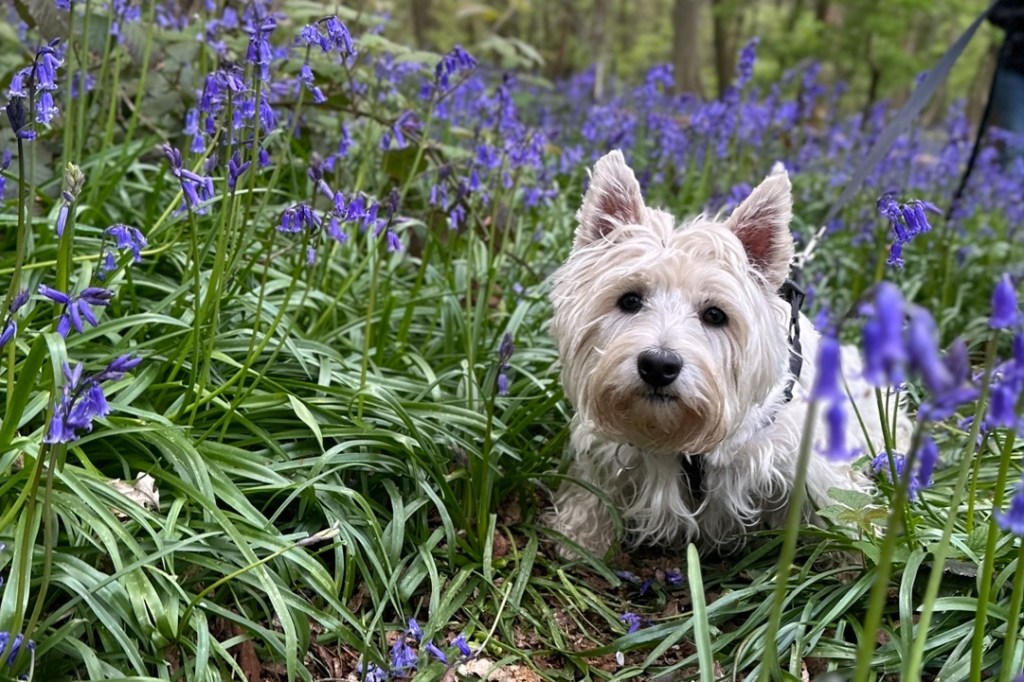
If you have ever stood at the start of a trail thinking this should be easy and then watched your dog immediately head off with absolute confidence in the wrong direction, congratulations. You have just met the environment.
Trailing is not happening in a vacuum. Scent does not politely sit where the trail layer walked. It moves, lifts, sinks, spreads, sticks, evaporates and occasionally behaves like it has a personal vendetta against handlers. Weather and ground conditions play a huge role in this, and understanding them can save you a lot of head scratching and a fair bit of handler swearing.
Let’s break it down.
What scent actually is, in real terms
Human scent for trailing is a combination of
Skin rafts and cellular debris Volatile organic compounds produced by the body Disturbed ground and vegetation Micro scent trapped on surfaces
Dogs are not following a neat line. They are working a constantly changing scent picture that is influenced by air movement, temperature, moisture and pressure. Think less pencil line, more drifting cloud with opinions.
Humidity, scent’s best friend and worst enemy
Humidity refers to the amount of moisture in the air. From a scent perspective, moisture helps odour survive longer. It slows evaporation and helps scent particles remain available for the dog to detect.
High humidity
Scent tends to persist longer Odour is often stronger and easier to locate Trailing conditions are usually favourable Dogs may work more confidently and steadily
Low humidity
Scent dries out faster Volatile compounds evaporate more quickly Trails age faster than expected Dogs may struggle to hold a consistent picture
If you have ever noticed your dog suddenly struggling on what should have been an easy trail on a crisp dry day, this is likely why. Dry air is basically a giant scent thief.
Heat, where scent goes to die or float off dramatically
Temperature affects scent in two main ways, evaporation and air movement.
Warm to hot conditions
Increase evaporation of scent compounds Cause scent to lift off the ground Encourage air scenting over ground based tracking Increase thermal air currents
As the ground heats up, warm air rises. Scent goes with it. This is why dogs may lift their heads more in heat and appear to be trailing “in the air”. They are not being lazy or dramatic. The scent has literally left the ground.
Cool conditions
Slow evaporation Help scent stay closer to the surface Often support clearer ground based scent pictures
That lovely cool overcast day everyone enjoys is not just pleasant for handlers. It is usually excellent for scent work.
Barometric pressure and isobars, the invisible troublemakers
Barometric pressure is the weight of the air above us. Isobars are lines on a weather map that show areas of equal pressure. You do not need to become a meteorologist, but knowing the basics helps.
High pressure systems
Stable air Less vertical movement Scent tends to sit and spread laterally Trails can widen and drift
Low pressure systems
Unstable air Increased vertical air movement Scent lifts and disperses more Dogs may struggle with consistency
Rapid changes in pressure are especially challenging. Many handlers notice their dogs appear unsettled or inconsistent just before weather changes. That is not imagination. Dogs can detect pressure changes far better than we can, and the scent picture is literally shifting under their noses.
Wind, the obvious one we still underestimate
Wind moves scent. Everyone knows this, yet it still causes confusion.
Light steady wind can create predictable scent drift Gusty or swirling wind creates pockets and voids Buildings, hedges, trees and terrain distort airflow
Wind does not just push scent in one direction. It creates eddies, backflow and pooling. This is why dogs may cast, check and recheck areas that look completely wrong to us. They are working information you cannot see.
Ground conditions, because the floor matters too
Different surfaces interact with scent differently.
Grass and vegetation hold moisture and trap scent well Soil can retain scent depending on moisture content Gravel allows scent to fall through and disperse Tarmac heats quickly and encourages scent lift
Add rain into the mix and things get even more interesting. Light rain can help preserve scent. Heavy rain can move it entirely, washing it downhill, into verges, drains and low lying areas. If your dog suddenly tracks beautifully three metres off the original trail, do not panic. Gravity is undefeated.
What this means for your trailing training
Understanding environmental factors helps you
Set realistic expectations Read your dog more accurately Avoid blaming handling or motivation incorrectly Design better training setups
It also explains why no two trails are ever the same, even if you run them in the same place. The environment rewrites the rules every time.
Trailing is not about perfect lines or tidy maps. It is about interpreting a living scent picture that is constantly being shaped by humidity, heat, pressure and airflow.
Your dog is not being awkward. They are being honest.
Key takeaways for handlers
Moisture helps scent survive Heat lifts scent Pressure changes disrupt scent stability Wind creates complexity, not direction arrows Ground and terrain matter more than distance
If trailing feels messy sometimes, that is because it is. The science explains the chaos, and your dog is doing advanced environmental problem solving while you are worrying about where your feet are.
Next time a trail goes sideways, blame the weather first. It is usually guilty.
References and further reading
Hepper, P G and Wells, D L, 2005. How dogs perceive and use olfactory cues. Chemical Senses Gazit, I and Terkel, J, 2003. Explosives detection by sniffer dogs following strenuous physical activity. Applied Animal Behaviour Science Jezierski, T et al., 2014. Olfaction in working dogs. Behavioural Processes Syrotuck, W G, 1972. Scent and the Scenting Dog Jones, H and Gosling, S, 2005. The effect of environmental conditions on scent dispersion. Journal of Forensic Sciences
 UK SCENT SPORT