

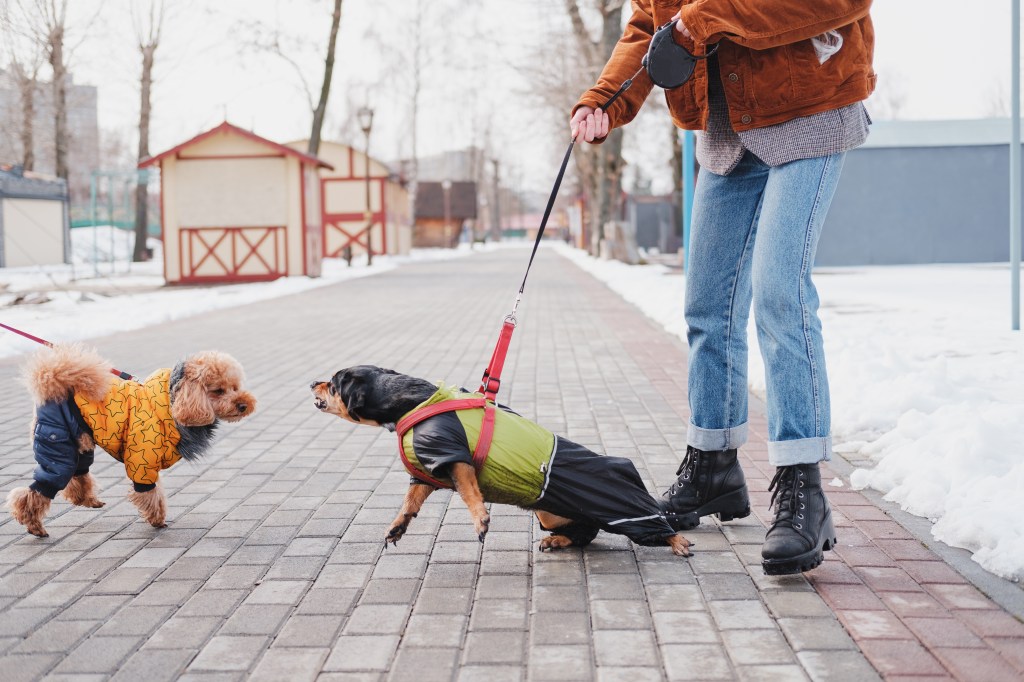
Let’s take a moment to talk about something that many dog owners might come across: reactivity in our dogs and what it actually means.
Reactivity in dogs refers to their tendency to overreact or display an intense response to certain stimuli, such as other dogs, people, or even unfamiliar sounds.
This can manifest in various ways, including barking, lunging, growling, or even pulling on the leash. It’s important to remember that reactivity is not necessarily a sign of aggression, but rather a heightened reaction to perceived threats or anxiety.
Understanding and addressing reactivity is crucial and very often misinterpreted. Think of it this way: Imagine walking down a busy street, and suddenly, someone bumps into you unexpectedly. Your initial reaction might be to startle, maybe even shout or become defensive. That’s a natural response caused by a temporary state of reactivity. Similarly, our dogs can have heightened reactions to things that make them feel uneasy or threatened.
To manage reactivity, it’s important to practice patience and empathy. Recognising the triggers of reactive behaviors and what drives them is the only way you will successfully change the unwanted reactions. Seeking professional help early on can be invaluable.
Here are a few general tips to help manage and support reactive dogs: 🌟🏡
Patience and Positive Reinforcement: Reactivity can be managed through positive reinforcement training techniques, rewarding calm behavior, and gradually exposing them to trigger stimuli in a controlled and positive manner.
Positive reinforcement plays a significant role in modifying reactive behaviour. Dogs benefit from timely reinforcement, such as treats, praise, or rewards, to disrupt negative patterns of reactivity. By reinforcing calm behaviour and responding positively in challenging situations, we can gradually reshape reactive patterns.
It’s important to note that positive reinforcement should be used to reinforce desired behavior, rather than suppressing or punishing reactive responses. By rewarding the right actions at the right moment, new associations can be created, promoting more positive and relaxed responses over time.
By approaching reactivity with understanding, patience, and creativity, we can foster growth, learning, and stronger bonds with our dogs and within ourselves.
Create a Safe Space: Establishing a safe and calm environment at home is essential. Providing a designated space where your dog can retreat to when they feel overwhelmed can help them feel secure and reduce their reactivity. 🏡🐾
Seek Professional Help: If you find that your dog’s reactivity is causing distress or becomes unmanageable, don’t hesitate to reach out to a professional dog trainer or behaviorist. They can provide tailored strategies and guidance to help your furry friend overcome their reactivity. 🐶🎓
Remember, every dog is unique, and their reactivity can vary. It’s important to approach their needs with empathy, understanding, and a dash of creativity. With time, patience, and lots of love, we can help our furry friends navigate their reactive tendencies and thrive!
If you have any experiences or additional tips to share on managing reactivity, feel free to drop them in the comments below. Let’s support each other and our wonderful furry companions! 🐶❤️🤝
References:
1. Overall, K. L. (2013). Considerations for behavioral therapy in dogs and cats. The Veterinary Clinics of North America. Small Animal Practice, 43(1), 189-203. doi: 10.1016/j.cvsm.2012.09.004
2. Yin, S. (2017). Low Stress Handling, Restraint and Behavior Modification of Dogs and Cats: Techniques for Developing Patients Who Love Their Visits. CattleDog Publishing.
3. Pryor, K. (1999). Don’t Shoot the Dog!: The New Art of Teaching and Training. Bantam.
4. Shettleworth, S. J. (2010). Cognition, Evolution, and Behavior (2nd ed.). Oxford University Press.
5. Van Houtte, B. A., Jarvis, S., & Gygax, L. (2016). The importance of the timing of positive rewards and experiences during early life in laying hens. Applied Animal Behaviour Science, 174, 50-57. doi: 10.1016/j.applanim.2015.10.002
 UK SCENT SPORT