


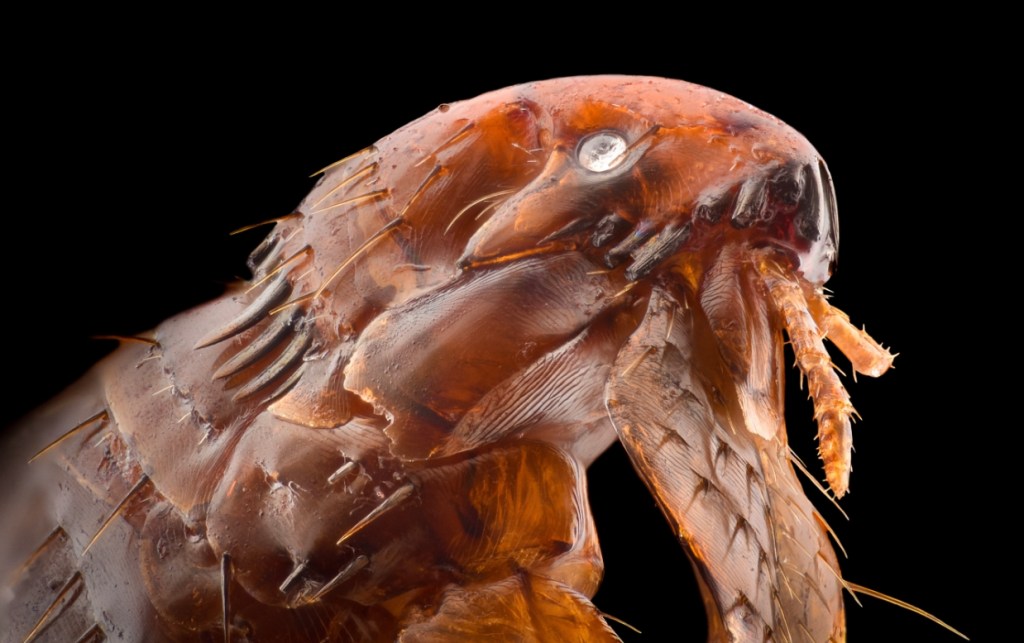
This year’s flea season in the UK has been particularly intense, causing frustration and discomfort for pets and their owners. According to the British Veterinary Association (BVA), there has been a significant increase in flea infestations across the country. In this blog, we will delve into the reasons behind the surge in flea populations and shed light on the potential consequences of overusing flea treatments on dogs.
1. Climate and Weather Conditions:
The UK’s climate and weather conditions have played a significant role in the prevalence of fleas this year. Fleas thrive in warm and humid environments, and the milder winter and spring, followed by a relatively warmer and wetter summer, have created ideal conditions for fleas to breed and multiply. This has resulted in a larger flea population than usual.
2. Increased Outdoor Activities:
The easing of lockdown restrictions has led to increased outdoor activities for both pets and their owners. As people spend more time outside in parks, hiking trails, and other recreational areas, their pets are exposed to new environments that may be infested with fleas. This heightened exposure increases the likelihood of pets picking up these unwanted hitchhikers.
3. Lack of Preventative Measures:
Neglecting proper flea prevention measures is another contributing factor to the severity of the flea season. Some pet owners mistakenly believe that fleas are only a concern during warmer months and overlook the importance of year-round flea control. However, fleas can survive indoors throughout the year, especially in centrally heated homes. Failing to administer regular flea treatments or using ineffective products leaves pets vulnerable to infestations.
4. Resilient Flea Populations:
Fleas have shown remarkable adaptability and resistance to traditional treatments, making them increasingly challenging to eliminate. Vets have observed that fleas are becoming more resistant to certain flea control products, making it harder to eradicate infestations. This highlights the importance of using effective and up-to-date flea treatments as recommended by veterinarians. Over time, fleas develop resistance to certain pesticides commonly used in flea control products, allowing them to persist and thrive.
5. Pet Travel and Imported Fleas:
The ease of international travel for both pets and humans has facilitated the introduction of different flea species into the UK. Pets traveling abroad or being imported from other countries may unknowingly carry fleas with them. These foreign fleas may be more aggressive or resistant to conventional treatments, leading to more challenging infestations.
6. Natural Remedies and Pesticide Use:
Many pet owners are turning to natural remedies to address flea infestations. While some natural treatments can be effective, it’s important to exercise caution. Essential oils, such as tea tree oil or lavender oil, may be toxic to dogs if ingested or applied in high concentrations. It’s crucial to consult with a veterinarian before using any natural remedies to ensure they are safe for your pet.
7. Dangers of Pesticide Overuse:
Overusing flea treatments, especially those that contain pesticides, can pose risks to both pets and humans. Applying excessive amounts of these products or using multiple treatments simultaneously can lead to toxic reactions. Dogs may experience symptoms such as drooling, tremors, or even seizures. Pet owners should strictly follow the recommended dosage and frequency provided by their veterinarian to avoid such adverse effects.
8. Allergic Reactions to Treatments:
Some dogs may have allergic reactions to certain flea treatments. Symptoms of an allergic reaction can include excessive itching, redness, swelling, or rashes on the skin. In severe cases, dogs may experience difficulty breathing or develop anaphylaxis, a life-threatening allergic response. If your dog shows any signs of an allergic reaction after using a flea treatment, it is crucial to seek immediate veterinary care.
9. Flea Resistance to Treatments:
Fleas have the ability to develop resistance to certain active ingredients found in flea treatments. When overused or used incorrectly, these treatments can become less effective over time. This resistance can make it more challenging to eradicate fleas from your pet and home. It is essential to consult with a veterinarian to ensure you are using the most appropriate and up-to-date flea control products.
10. Importance of Veterinary Guidance:
To effectively control fleas and minimize the risks associated with treatments, it is crucial to seek guidance from a veterinarian. They can recommend the most suitable and safe flea prevention products for your dog based on their age, weight, health condition, and environment. Veterinarians can also provide advice on proper application techniques and address any concerns you may have about potential side effects.
In conclusion, while flea infestations have been intense this year in the UK, it’s important for pet owners to understand the contributing factors and take proactive measures. This includes considering natural remedies cautiously, avoiding overuse of pesticides, being aware of potential allergic reactions, and seeking veterinary guidance for effective flea control strategies that prioritize your pet’s health and safety.
 UK SCENT SPORT